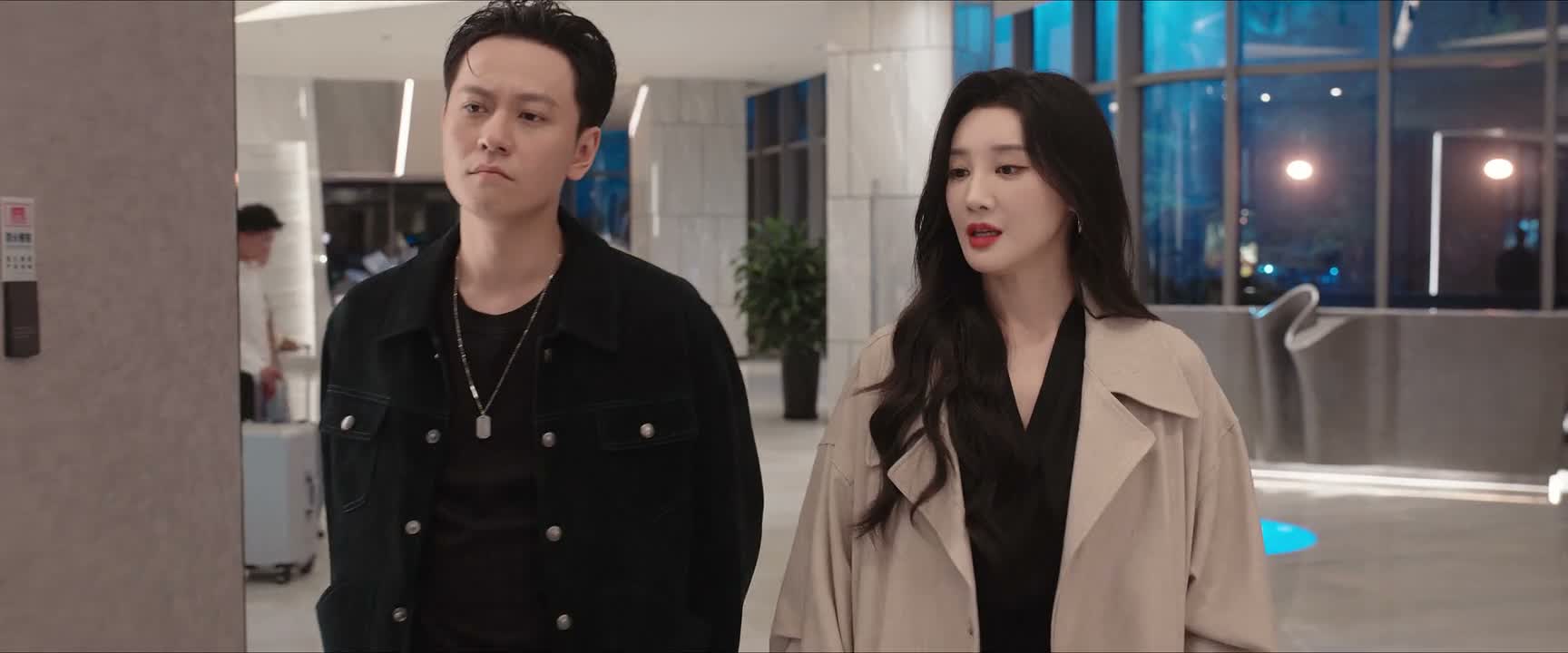
我明早睡醒了 我再出发行不行
“Can I leave when I wake up tomorrow?”
THE DIALOGUE REEL
即刻出城 大晚上的 赶夜路也不安全
“Leave the city immediately? It's so late. Traveling at night isn't safe.”
我明早睡醒了 我再 出发 行不行
“Can I leave when I wake up tomorrow?”
“Do you think the military camp is our home”
“Please let me sleep at home tonight; I really don't want to leave in the dark.”
Younger family members often use informal, softening tags to plead with strict elders without directly defying their authority.
LEARNING CHUNKS & PARTICLES
is it okay or not?
A colloquial tag question used at the end of a sentence to seek agreement or plead for permission.
woken up
Used to indicate the state of having completed sleep naturally before undertaking another action.
VOCABULARY & EXPRESSIONS
Parallel Spoken Cinema Scenes (语义近邻切片)
“I'm leaving early tomorrow morning.”

“We can go today and return tomorrow.”

“I'll leave in the morning. I can't.”

“Tomorrow... Tomorrow might not work.”

“All right, rest early.”

“Pack up. We leave tomorrow morning.”