出发
chū fāCommon spoken expression used by native Chinese speakers in daily life.
[Scene: 其他场景]
(9 clips) 00:03
(咱那眼界要开阔一点呢) ── Previous context
“With your perspective, what's there to argue with me about the bigger picture?”
 00:03
 00:03
(两辆车 有枪手) ── Previous context
“They went in at sunset. If we leave now, we should be able to catch them.”
 00:02
 00:02
 00:03
(你觉得呢) ── Previous context
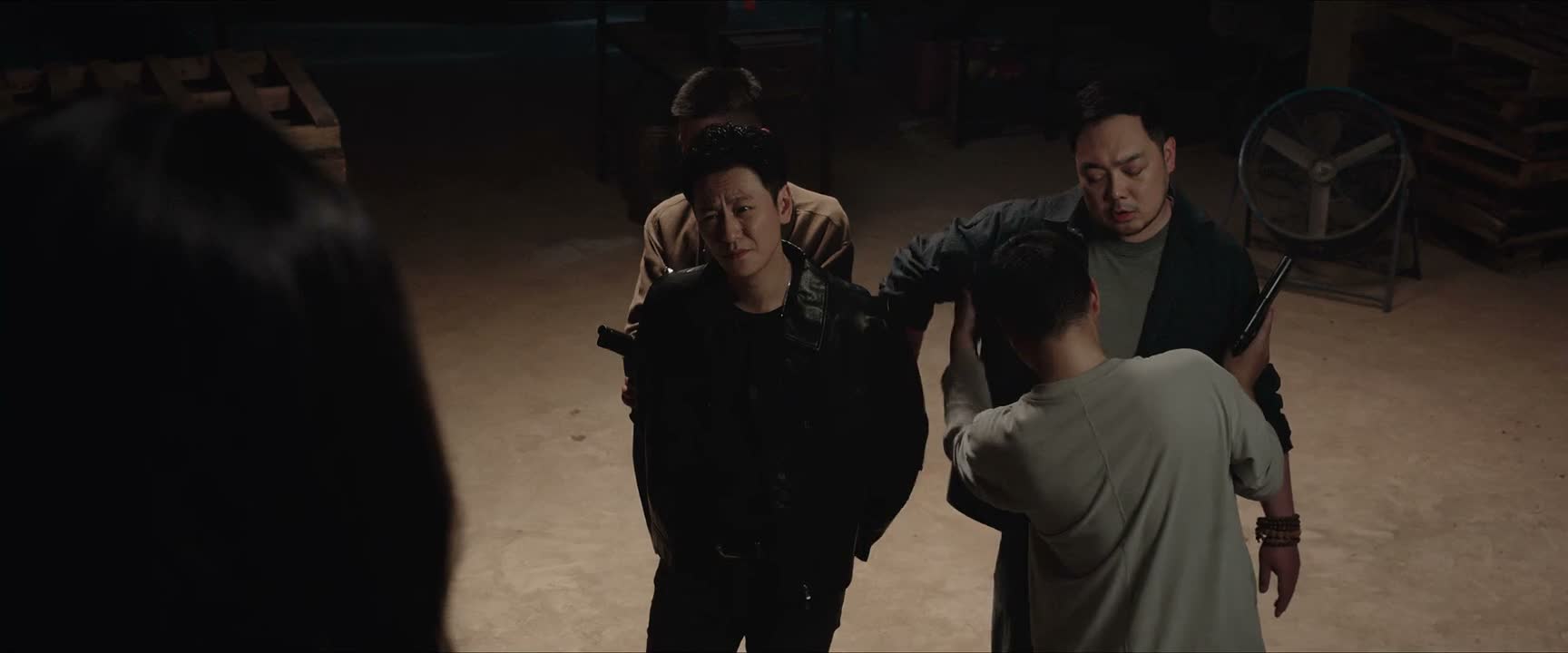
“You took our phones when we left, and now you're searching us. What's this supposed to mean?”
 00:02
 00:02
 00:02
[Scene: 其他场景]
(7 clips) 00:02
 00:02
 00:02
 00:02
 00:02
 00:03
 00:02
[Scene: 社交聚会]
(6 clips) 00:02
 00:02
 00:03
(行吗 好看吗) ── Previous context
“Though your intention was good, the execution was a bit over the top. Alright?”
 00:03
(走 跟我去参加酒会) ── Previous context
“and feast. We'll leave at 5 AM tomorrow and arrive by nine.”
 00:02
 00:03
[Scene: 警匪刑侦]
(5 clips) 00:02
 00:02
 00:03
 00:03
(我马上了) ── Previous context
“Time to head out. The hearing starts at 9:30. Don't be late.”
 00:03
(但是人没在厦门下车 估计是在前面的小站下去了) ── Previous context
“Zhang Yan has already taken men to search station by station.”
[Scene: 家庭日常]
(4 clips) 00:03
(在家里读书 我给你请一先生 你自己选择 别别) ── Previous context
“Spare me, Father. I'll go, okay? I'll leave right now.”
 00:02
 00:02
 00:02
[Scene: 出行交通]
(4 clips) 00:03
 00:02
 00:03
(去往北京的Z118次列车) ── Previous context
“The Beijing-bound Train Z118 is about to depart. Passengers, please board the train now.”
 00:03
[Scene: 历史宫廷]
(3 clips) 00:02
 00:03
(那殿下何时起程) ── Previous context
“Prefect, everything's ready. We can set off at any time.”
 00:02
[Scene: 商务沟通]
(1 clips) 00:02
[Scene: 其他场景]
(1 clips) 00:03
(晓兰同学这么多年 从一个农村家庭走出来) ── Previous context
“through her own efforts, starting at our Anqing No.1 High School,”
📌 那行
→Nuance: 核心均为提议动身出发
📌 好嘞
→Nuance: 同为号召启程出发,意图一致
📌 行吧
→Nuance: 核心均为提议动身出发
📌 累死了
→Nuance: 同向近义词根配对: [我们 ↔ 咱们]
📌 打个电话
→Nuance: 意图同为打完电话马上出发
📌 一起走
→Nuance: 均拒绝与对方一同走
📌 赶紧
→Nuance: 同样催促赶时间去法院开庭
📌 赶紧
→Nuance: 同为催促去法院的核心意图
📌 打起精神来
→Nuance: 同向近义词根配对: [兄弟 ↔ 弟兄]