早点休息
zǎo diǎn xiū xīCommon spoken expression used by native Chinese speakers in daily life.
[Scene: 其他场景]
(10 clips) 00:02
 00:03
 00:03
(你那个公寓离我们家挺远的 是 你路上开车小心点) ── Previous context
“I will. Mr. Lin, Mrs. Lin, get some rest, too. I'll be going now. Alright.”
 00:02
 00:02
 00:03
 00:02
 00:02
 00:03
(我也不知道是好 还是不好) ── Previous context
“Granny Yu must be tired. You should get some rest soon, too.”
 00:02
[Scene: 家庭日常]
(8 clips)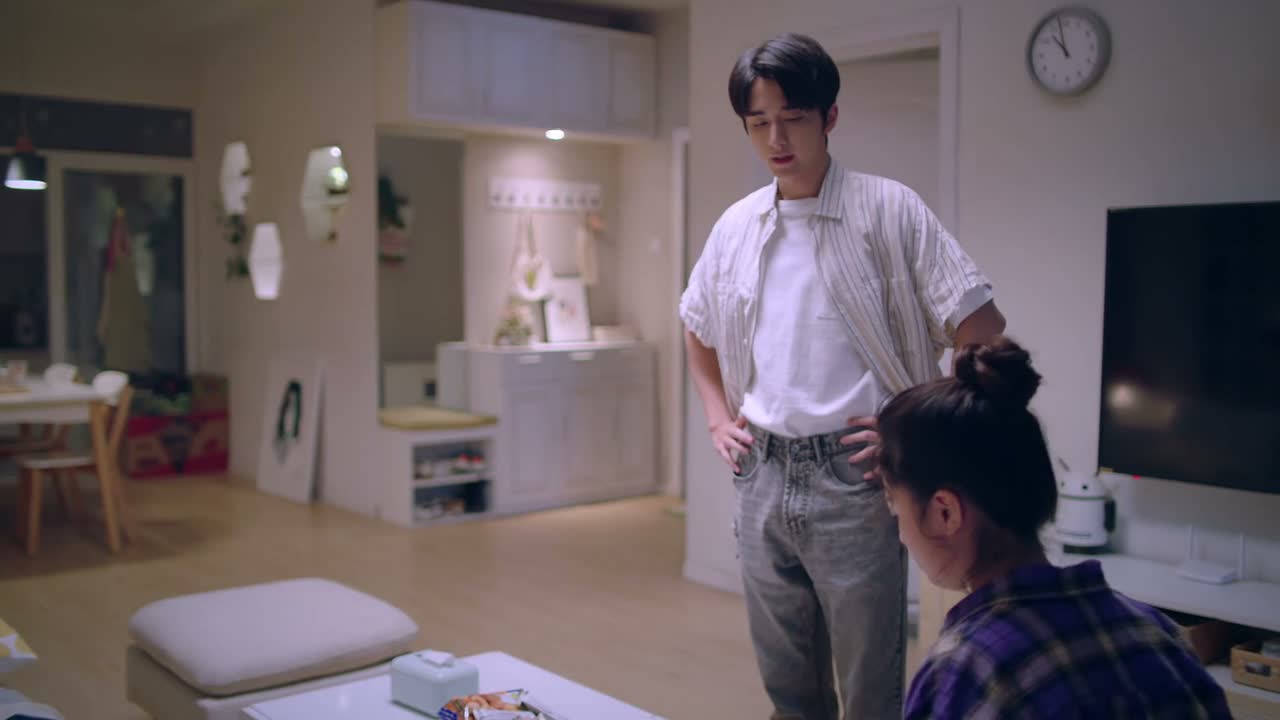 00:02
 00:03
(项目进行得这么顺利 是不是应该给我点奖励呀) ── Previous context
“Honey, I was suddenly invited to a business dinner tonight. Get some rest early.”
 00:02
 00:02
(爸 这间房是你的) ── Previous context
“Mom, yours is next door. Alright. Get some rest.”
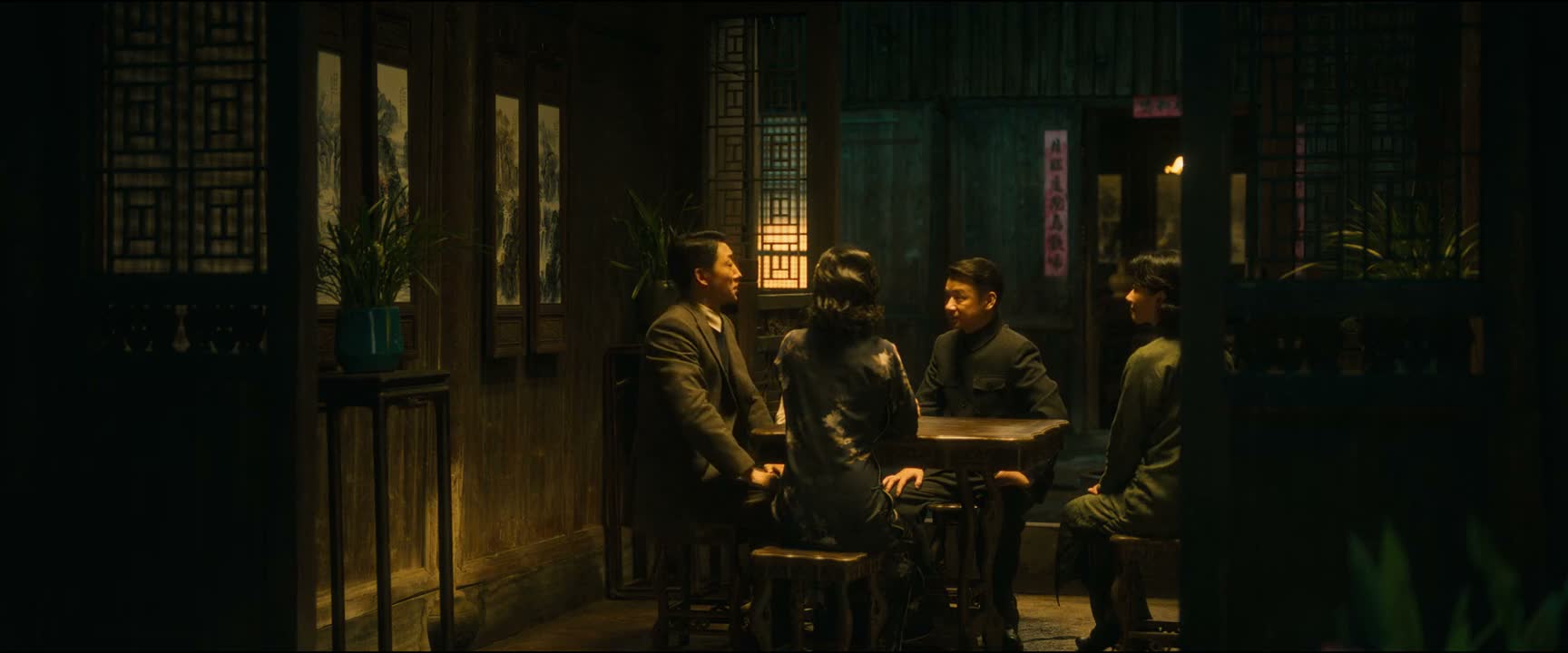 00:03
 00:02
 00:03
 00:03
(我也就随便这么一问) ── Previous context
“OK. Aunt He Lan, go to bed early. I'm going upstairs.”
[Scene: 社交聚会]
(4 clips) 00:02
 00:02
 00:02
 00:02
[Scene: 职场工作]
(2 clips) 00:02
 00:03
(最后的一帮同事 已经吃饱喝足了 刚刚送走) ── Previous context
“Chef Lin, you've worked hard. Rest early. Yes.”
[Scene: 历史宫廷]
(1 clips) 00:03
(这还差不多) ── Previous context
“You should go visit Prince Yu and get some rest early.”
[Scene: 警匪刑侦]
(1 clips) 00:03
(剩下的人) ── Previous context
“The rest of you, get ready for the next case. Dismissed. Get some rest, now.”
📌 没事
→Nuance: 同为道别与关怀语,意图一致
📌 那行
→Nuance: 同为道别告辞,交际意图一致
📌 你赶紧
→Nuance: 劝解莫担忧并早休息,可互换
📌 放心
→Nuance: 道别催促对方回家的委婉变体
📌 好了好了
→Nuance: 劝对方去休息意图一致
📌 快走吧
→Nuance: 劝对方去休息意图一致
📌 快走
→Nuance: 劝对方去休息意图一致
📌 放心吧
→Nuance: 道别催促对方回家的委婉变体
📌 用功
→Nuance: 同向近义词根配对: [以后 ↔ 之后]
📌 不许
→Nuance: 核心交际意图均为劝慰对方休息