说了 别动嘛 过来 先别走啊 秦娥
“I said don't move. Back here. Don't leave yet, Qin'e.”
THE DIALOGUE REEL
秦娥
“Qin'e.”
说了 别动 嘛 过来 先别走 啊 秦娥
“I said don't move. Back here. Don't leave yet, Qin'e.”
再动眼睛给你缝上
“Just don't move!”
Direct spoken expression in this communicative setting.
In spoken Chinese, combining the particle 'ma' with imperative negatives like '别动' often signals sharp frustration at someone resisting physical restraint.
LEARNING CHUNKS & PARTICLES
I told you not to move
A blunt, authoritative phrase used to reprimand someone for disobeying an immediate physical instruction.
don't leave just yet
Used to detain or stall someone, ranging from casual requests to coercive commands depending on tone.
Used here to express annoyance that an obvious order is being ignored.
Adds urgent emphasis to the command preventing the listener from moving.
VOCABULARY & EXPRESSIONS
Parallel Spoken Cinema Scenes (语义近邻切片)

“Wait. Come on. Don't move. Both of you, don’t move.”
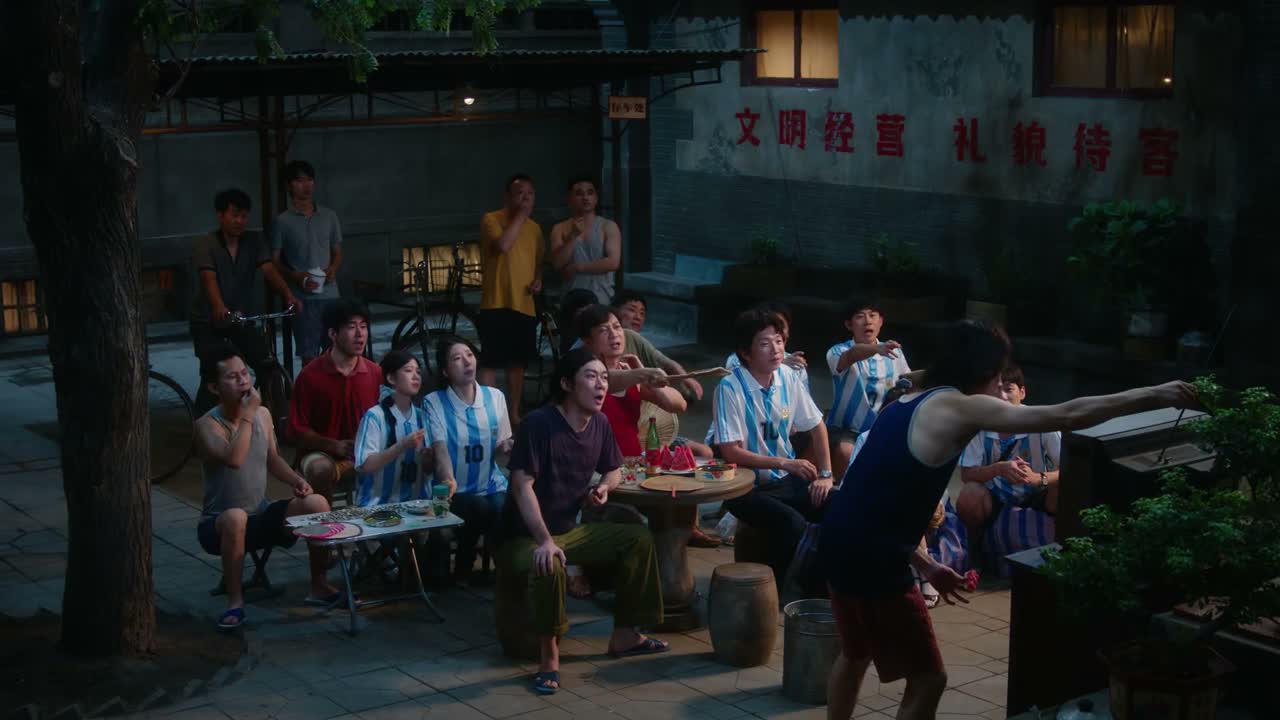
“-Okay, okay, don't move! -Don't move.”

“-Don't move! -You don't move! Don't move.”

“Don't move. Don't move further. That's it.”

“Don't move! Stop wailing. I'm begging you.”
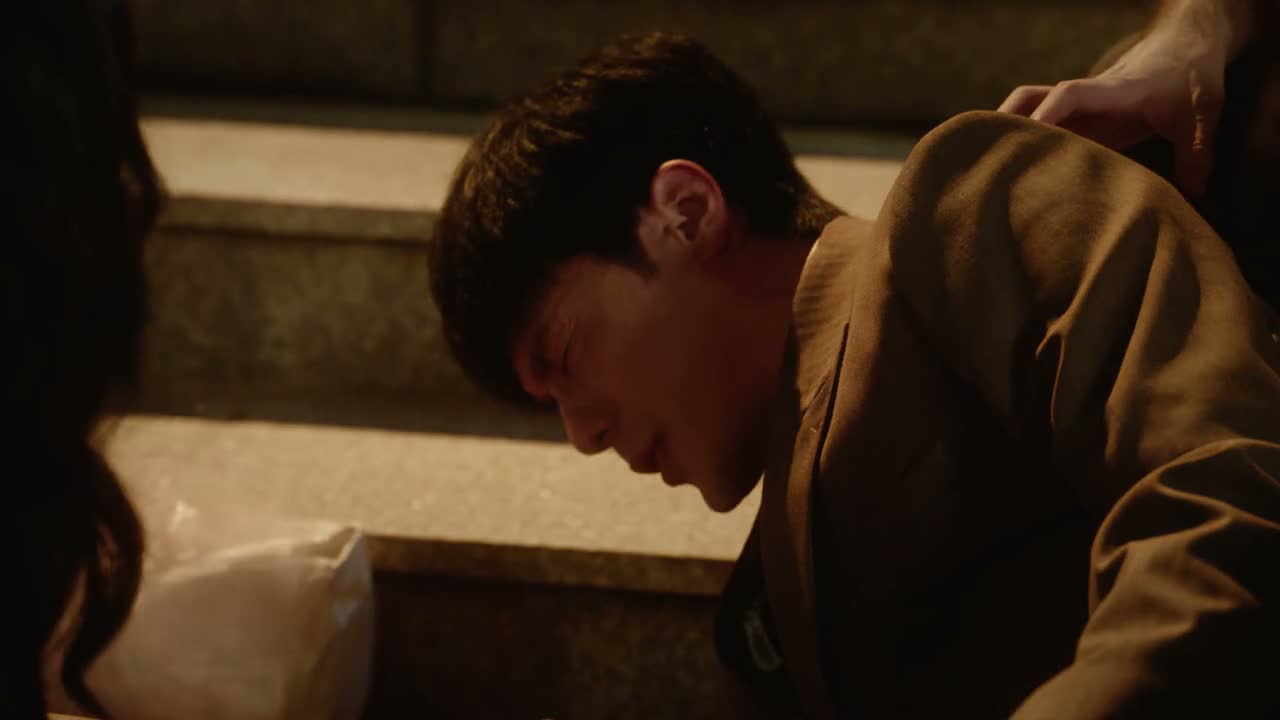
“Don't move me or touch it.”