难不成我们姓楚的这就给定了罪
“Has my entire family already been convicted”
THE DIALOGUE REEL
太傅想看戏 我便介绍他去戏园子 怎就无礼了?
“He wanted to watch the fun, then I recommended the opera house. How was that rude?”
难不成 我们姓楚的 这就 给 定了罪
“Has my entire family already been convicted”
“that I can't even speak? You can speak.”
“You are targeting us purely out of prejudice, not because I actually did anything wrong!”
In traditional China, an individual's honor and guilt were closely tied to their ancestral surname, meaning political attacks often targeted the whole family rather than just the individual.
LEARNING CHUNKS & PARTICLES
is it possible that; don't tell me that
A strong rhetorical adverb used to express disbelief, indignation, or counter-accusation.
pronounced guilty; convicted
Refers literally to legal sentencing, but metaphorically used when someone is judged or condemned before a fair hearing.
VOCABULARY & EXPRESSIONS
Parallel Spoken Cinema Scenes (语义近邻切片)

“I shall clear your name.”

“We shouldn't have expected them to bring glory.”
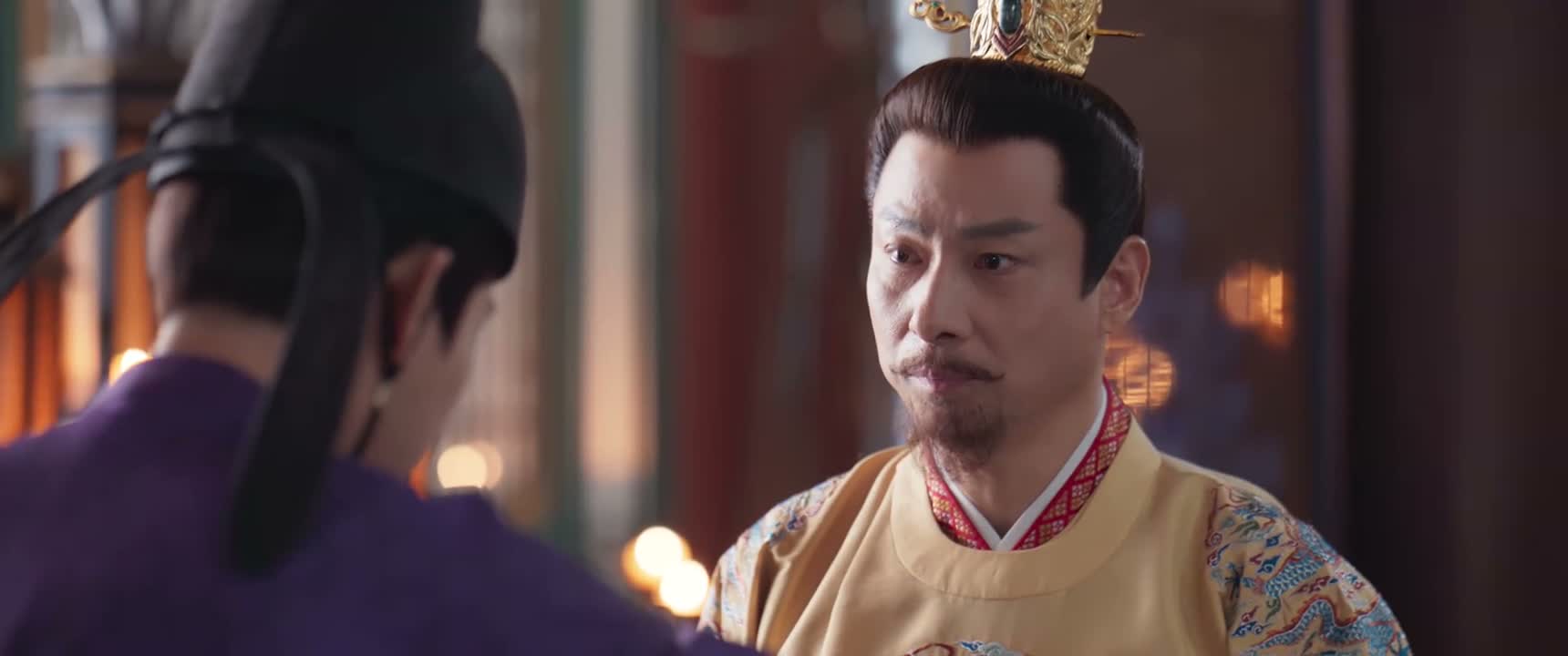
“If you do not want Chu Chu standing in the eye of the storm,”

“So, Chu Lan is really guilty.”

“of our Chu Clan to protect the state.”

“Your Highness values Chu Chu as well.”