都是我自己造的孽呀
“It's all my own doing.”
THE DIALOGUE REEL
是为退社所受
“was from leaving the society?”
都是我 自己 造的孽 呀
“It's all my own doing.”
当初我以为
“I thought giving up”
Direct spoken expression in this communicative setting.
The concept of 'zaonie' stems from Buddhist karmic debt, where individuals attribute unexpected tragedy or severe hardship to their own moral failings or bad decisions.
LEARNING CHUNKS & PARTICLES
sin committed; trouble brought upon oneself
Use this traditional idiomatic phrase when dramatically lamenting that current misfortune is punishment for one's own past misdeeds.
Softens the ending into an emotional sigh, emphasizing deep sorrow and lamentation.
VOCABULARY & EXPRESSIONS
Parallel Spoken Cinema Scenes (语义近邻切片)

“What did I do to deserve this?”
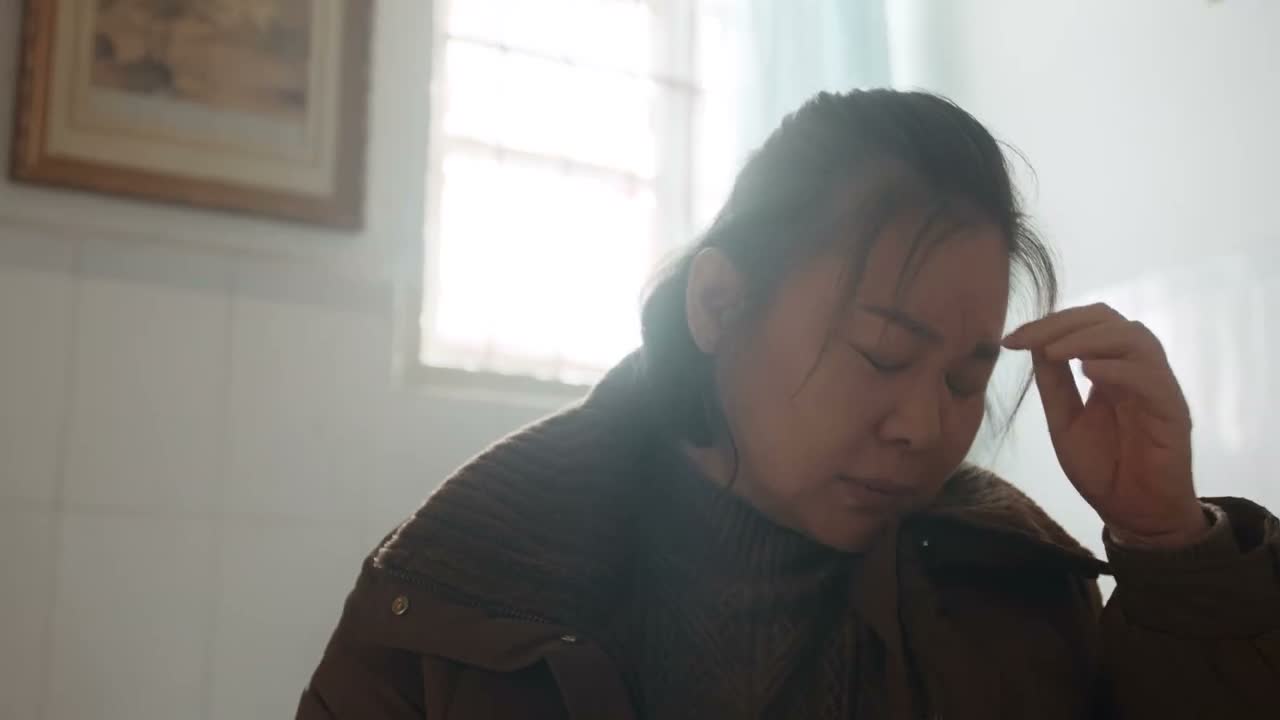
“I've brought this upon myself.”

“But building a city from scratch is an adventurous thing.”
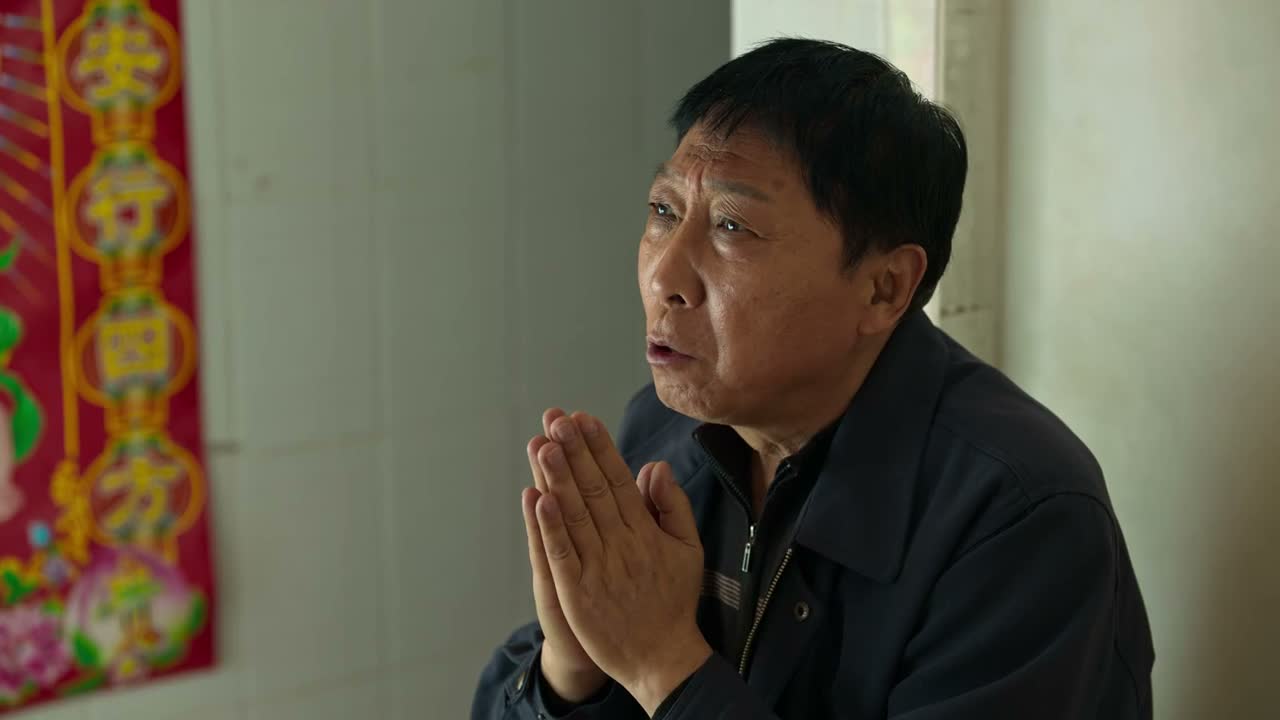
“But please don't let”

“when I realized I had committed slaughter.”