这房都烧成这样了 这咋能还有电 这灯还能亮呢
“Since the house is burned down, how is there still electricity? This light is still on.”
THE DIALOGUE REEL
她不会说话 也听不见
“She can't speak or hear.”
这房 都 烧成这样 了 这 咋能 还有 电 这灯 还能亮 呢
“Since the house is burned down, how is there still electricity? This light is still on.”
这个住房和柴房啊 它不是一条线 我们家也是这样
“The main house and the woodshed aren't on the same circuit. Same with my house.”
“Something is very wrong here; a burned house should not have working power.”
The use of dialectal '咋' (zǎ) instead of standard '怎么' (zěnme) adds earthy emotional resonance and vivid surprise in spoken Chinese drama.
LEARNING CHUNKS & PARTICLES
burned to such a state / severely burned
A resultative structure combining a verb with '成这样' to emphasize extreme degree or damage.
how can this possibly / how could it be that
A colloquial northern phrasing expressing disbelief or questioning logical possibility.
Indicates a completed change of state regarding the damage caused by the fire.
Adds a pondering, questioning cadence highlighting perplexity.
VOCABULARY & EXPRESSIONS
Parallel Spoken Cinema Scenes (语义近邻切片)

“That's because you were gaslighting me again.”
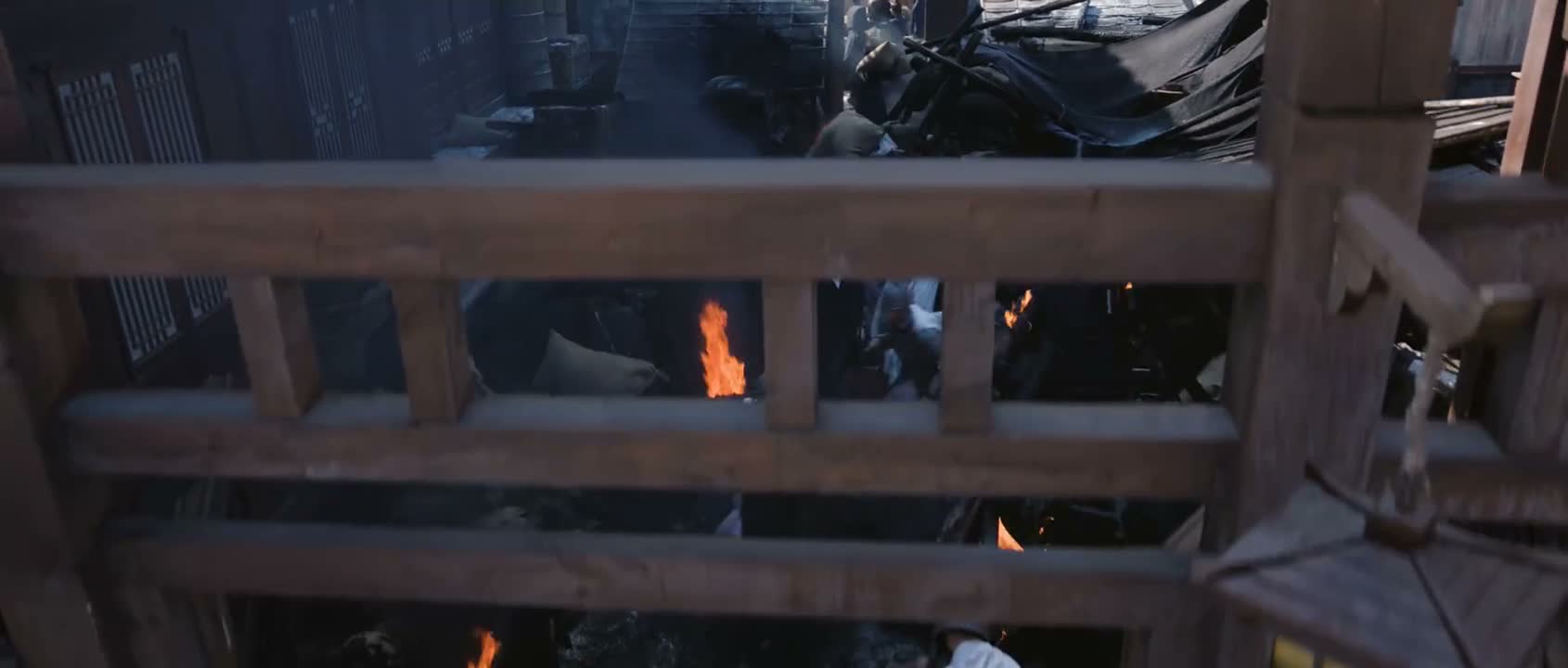
“It's burned. All of it.”

“I'll explain it slowly. - Turn the light on first. - It's simple.”
“It looks like the house is on fire.”
“he was afraid the fire would burn the house down and everything would be lost.”
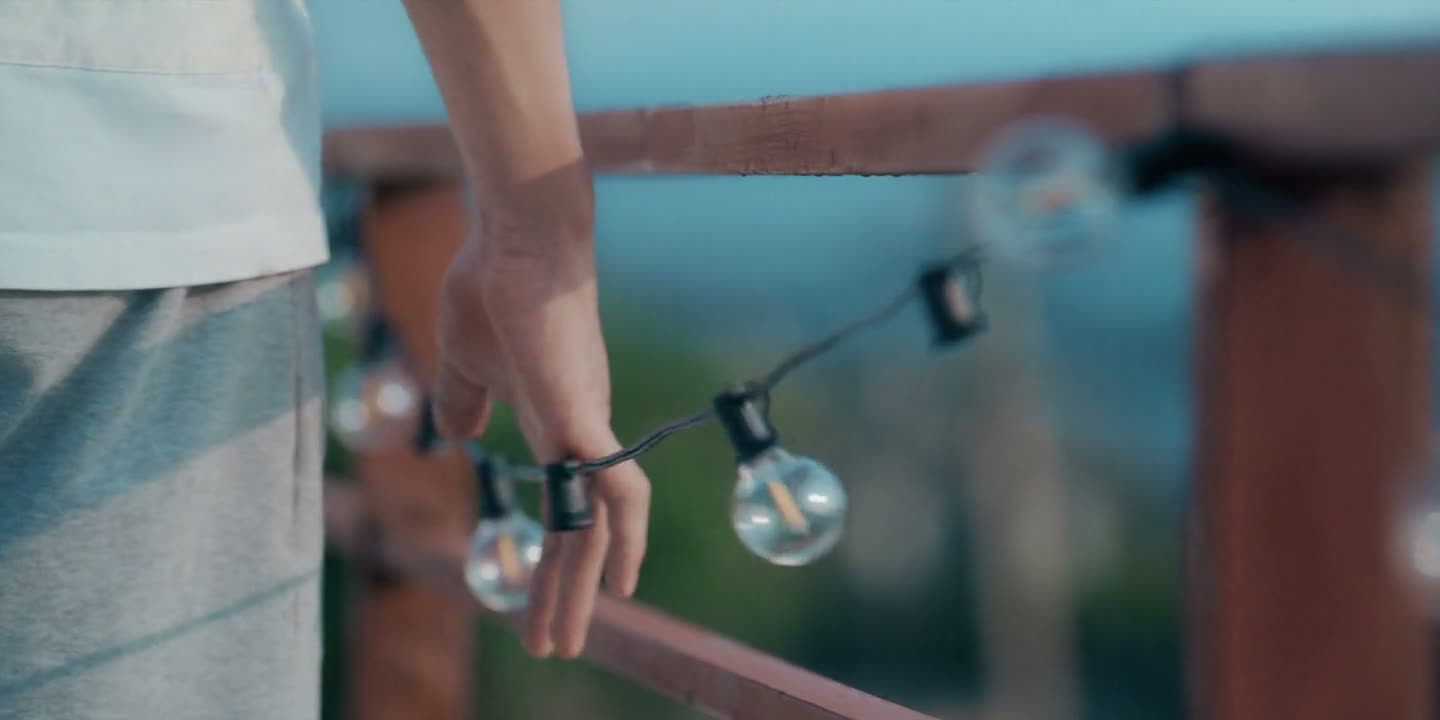
“The light bulb's burnt out and no one changes it.”