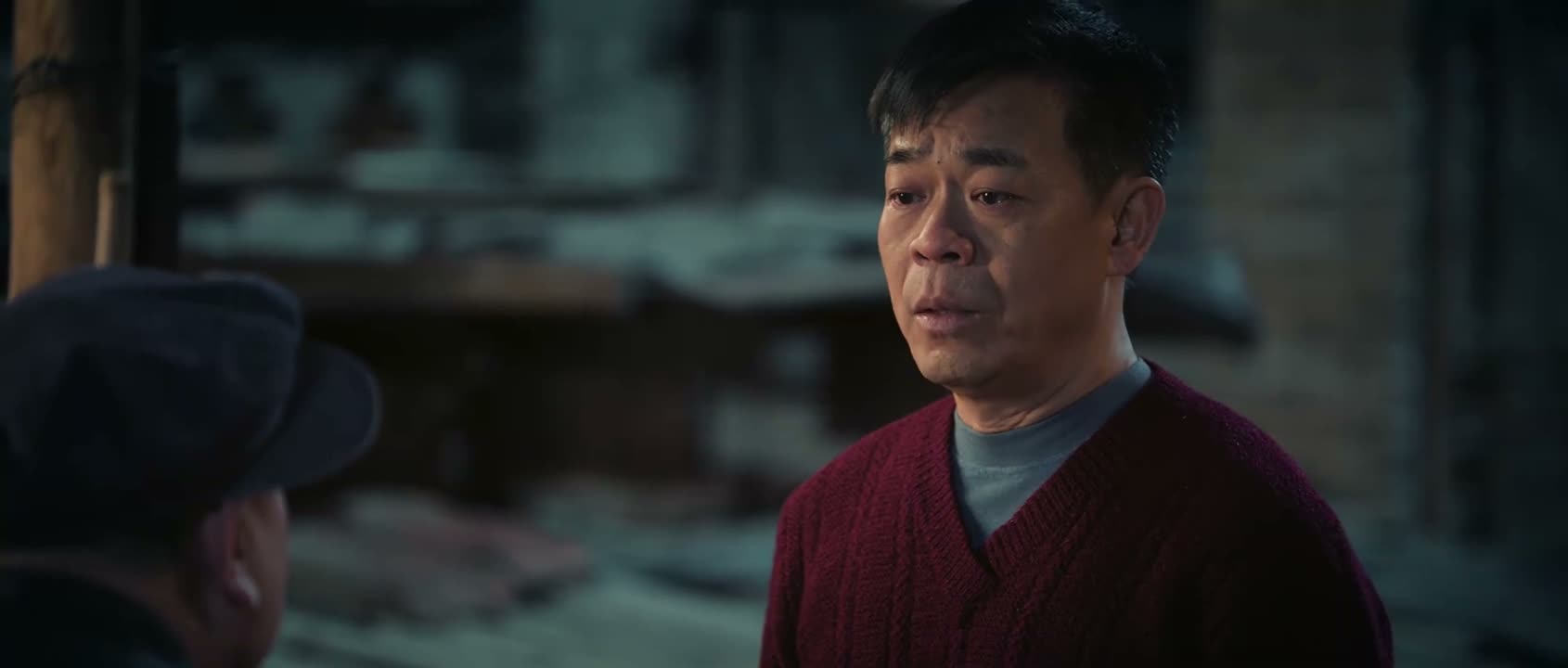
你知道舅为啥要让你学唱戏不
“Do you know why I had you learn to perform opera?”
THE DIALOGUE REEL
“Tell me why you stay quiet.”
你知道 舅 为啥要 让你 学唱戏 不
“Do you know why I had you learn to perform opera?”
“Life in Jiuyangou was too hard for you.”
“I am doing all this for your own good, so stop resisting me.”
In traditional Chinese culture, a maternal uncle (jiu) holds high authority and often takes substantial responsibility for arranging livelihood paths for struggling nieces or nephews.
LEARNING CHUNKS & PARTICLES
learn traditional opera singing
Used specifically to refer to training in traditional Chinese theatre arts.
why must / why want to
A conversational northern or regional variant of 为什么.
Placed at the end of a question to form a tag question seeking confirmation or reflection.
VOCABULARY & EXPRESSIONS
Parallel Spoken Cinema Scenes (语义近邻切片)

“If I had learned to perform opera, I'd be great at it.”
“The kid studies opera to make a living.”

“Tell me why you stay quiet.”
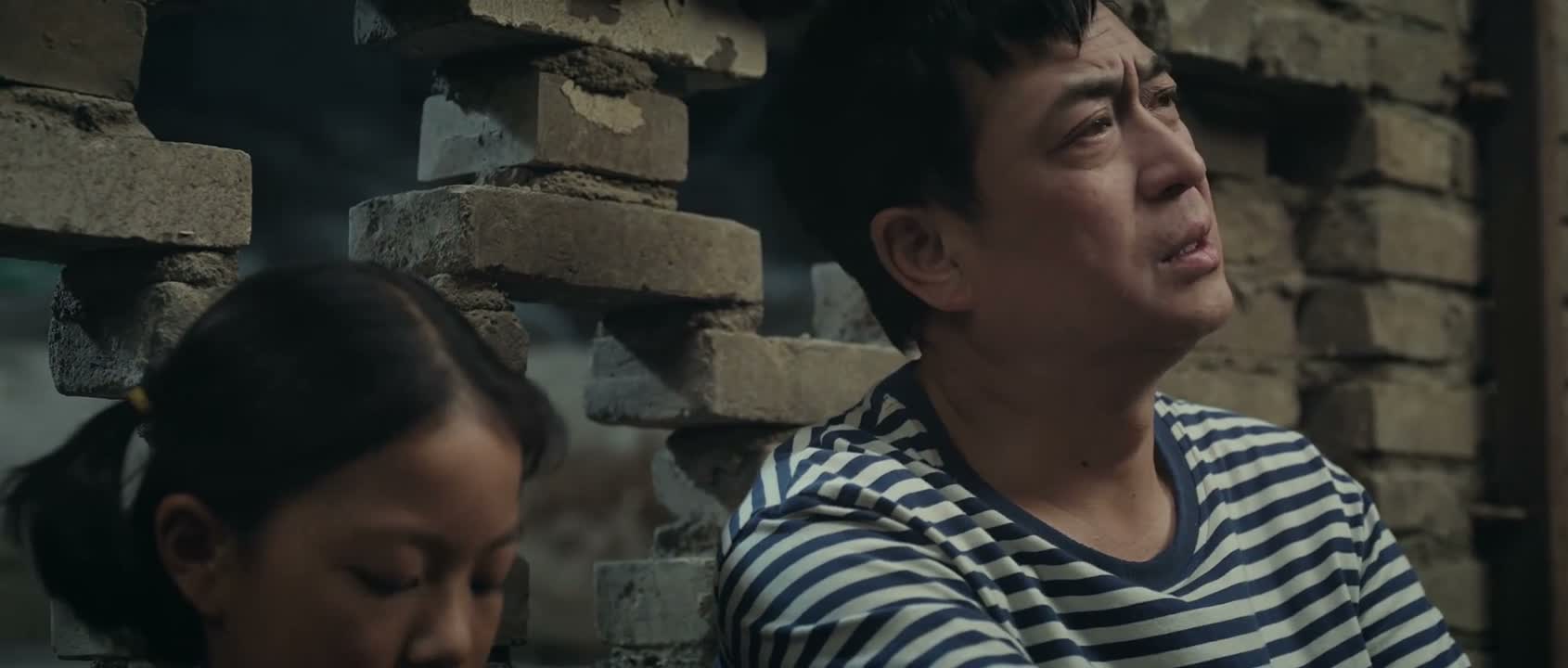
“I was a handful as a kid.”
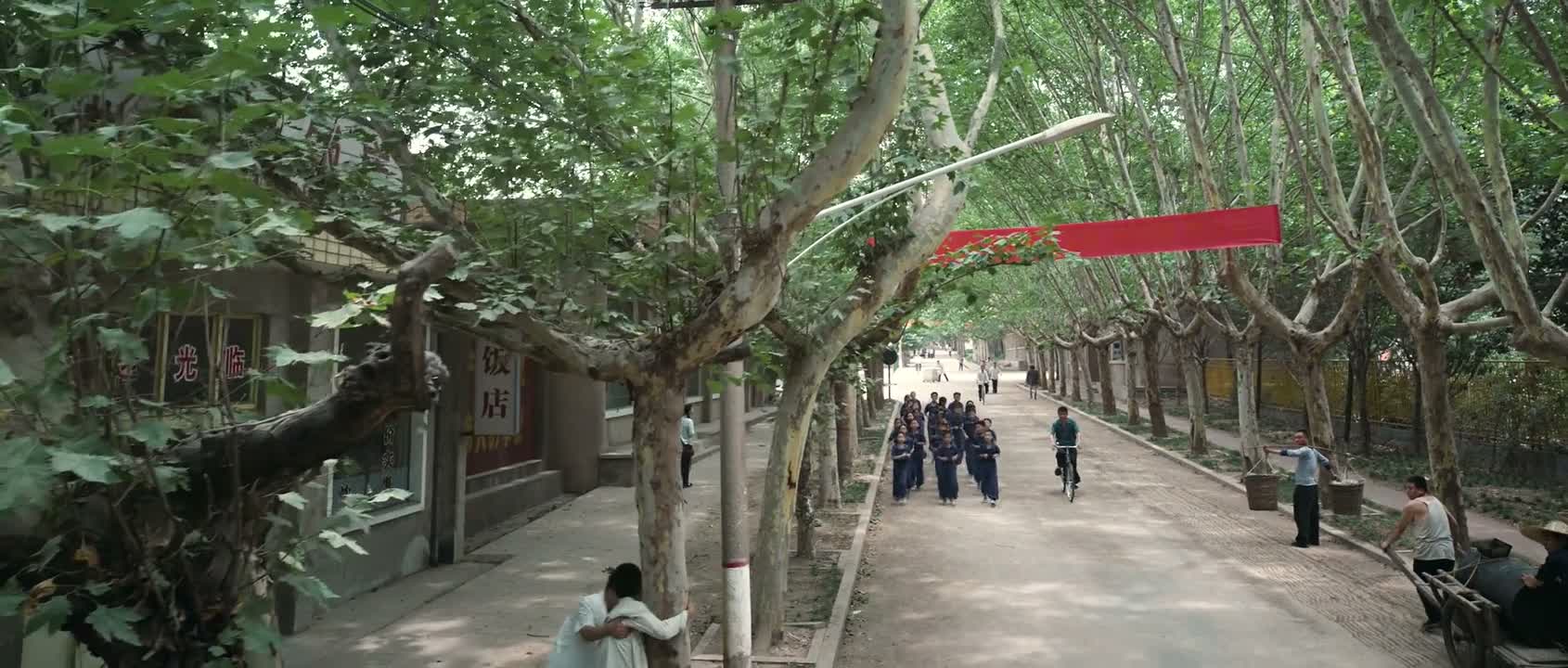
“I'm done with opera. I quit.”

“I want to quit!”