晚上吃多了想消消食
“I ate too much and came out to walk it off.”
THE DIALOGUE REEL
我
“I…”
晚上吃多了想消消食
“I ate too much and came out to walk it off.”
王爷呢
“Where is His Highness?”
“I'm just taking a walk to digest dinner, nothing suspicious at all.”
In traditional Chinese health concepts, walking after meals ('xiaoshi') is a universal health practice and often serves as a harmless pretext to go outside.
LEARNING CHUNKS & PARTICLES
to help digestion; to walk off a heavy meal
A quintessential colloquial Chinese expression referring to taking a leisurely stroll after eating.
ate too much; overate
A very common everyday phrase used casually to explain feeling full or uncomfortable.
VOCABULARY & EXPRESSIONS
Parallel Spoken Cinema Scenes (语义近邻切片)

“You ate too much grease last night. It was a biliary tract infection.”

“Weren't we going for supper?”
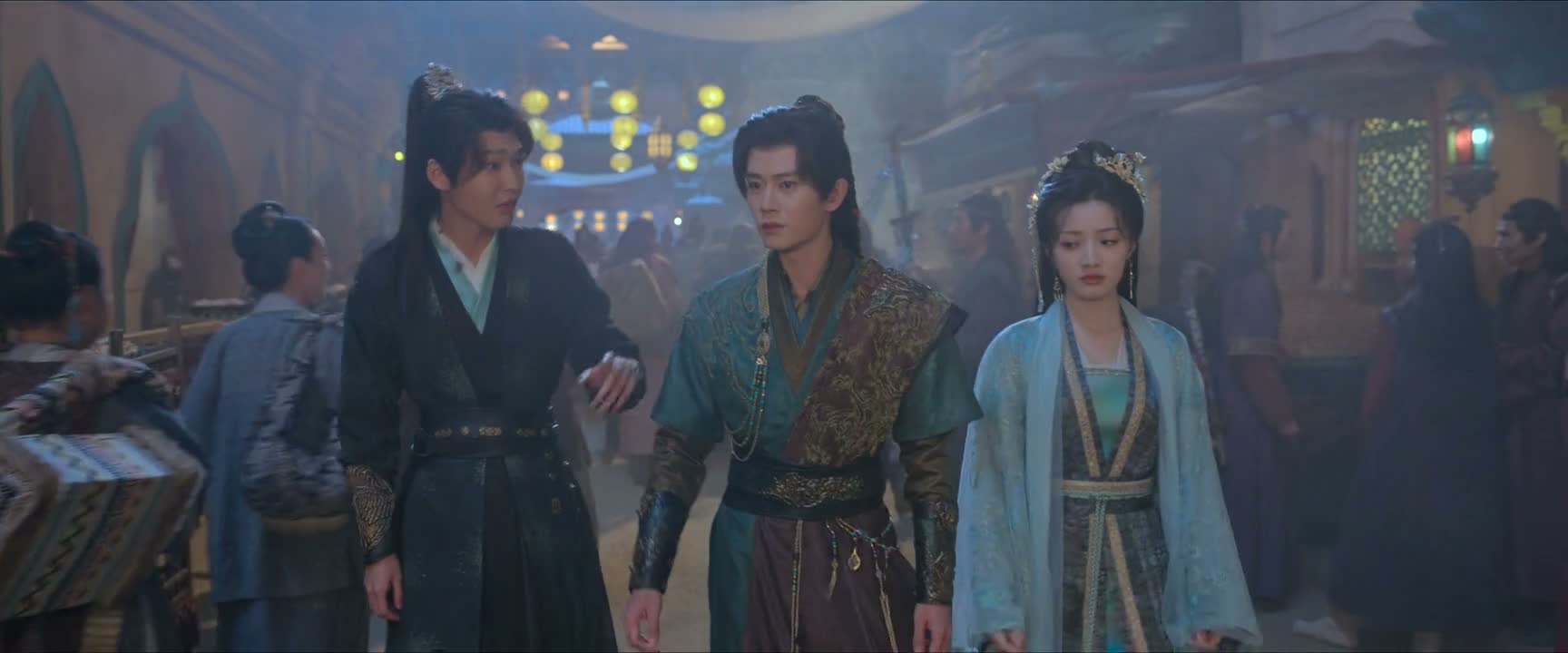
“You've had several bowls of rice tonight,”

“Aren't we going for a late-night snack?”

“I cooked a lot tonight. We'll eat in a bit. Don't bother.”
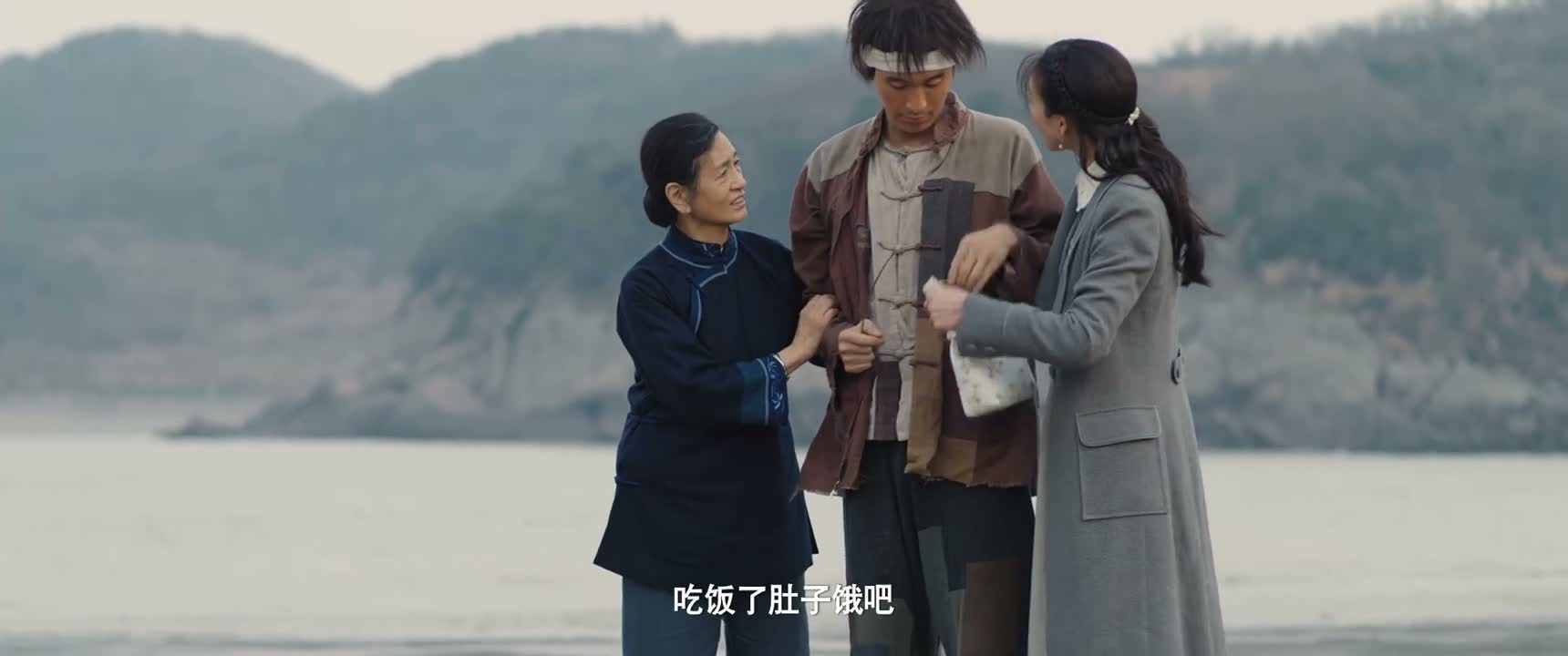
“Time to eat, you must be hungry.”