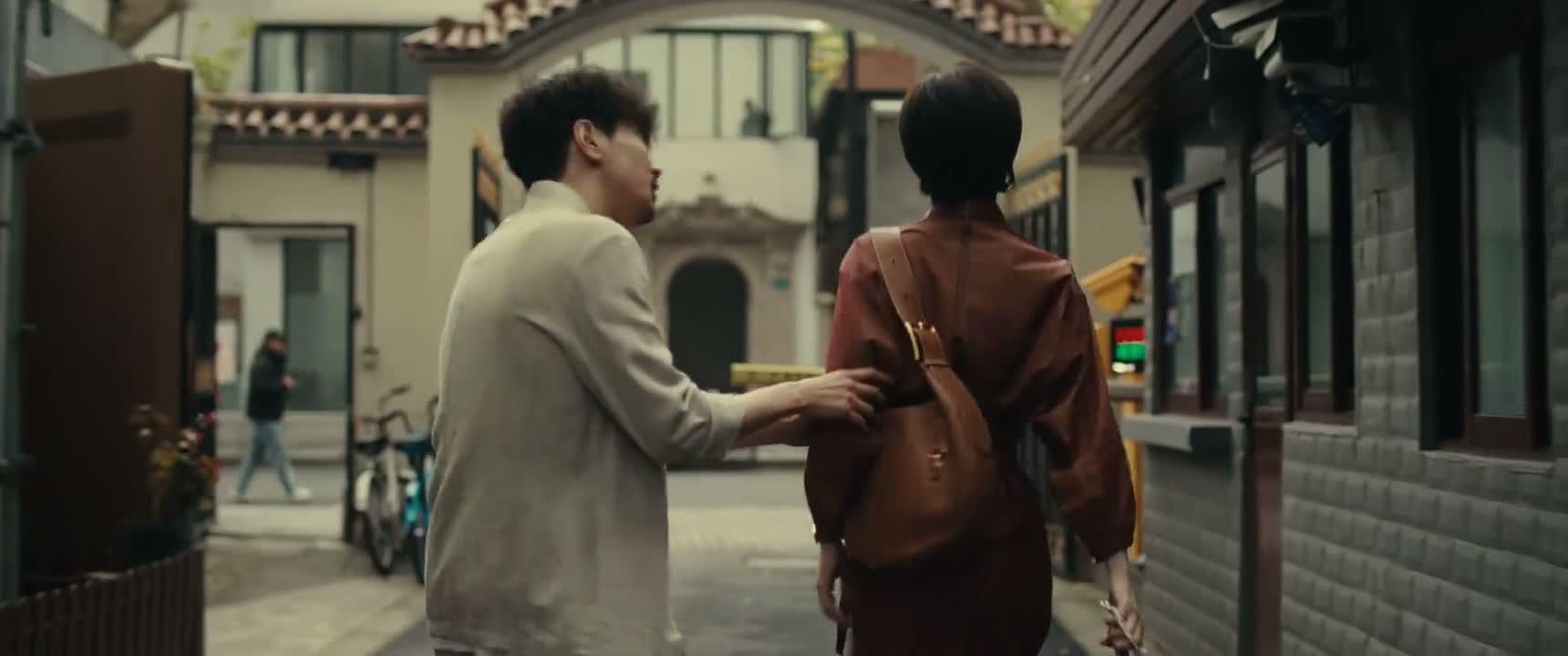
《Go Ahead》 S1·E11 (16:33)
HSK 4
nǐ shì dǎ suàn gēn nǐ liǎ gē gē lǎo sǐ bù xiāng wǎng lái shì ma
你是打算跟你俩哥哥 老死不相往来是吗
“Are you planning to break off with your two brothers forever?”
《Go Ahead》
S1·E11
TIMECODE: 16:33
·
1080P MASTER AUDIO
THE DIALOGUE REEL
[-1] PREVIOUS TURN
a
啊
“Ah?”
nǐ shì dǎ suàn gēn nǐ liǎ gē gē lǎo sǐ bù xiāng wǎng lái shì ma
CURRENT FOCUS
你是 打算 跟 你俩 哥哥 老死不相往来 是吗
“Are you planning to break off with your two brothers forever?”
[+1] FOLLOW-UP TURN
shéi de diàn huà nǐ yě bù jiē
谁的电话你也不接
“You didn't answer their calls.”
Subtitles synced to millisecond timecode
Browse Show Clips →
Scene:
Family & Home
Function:
SCOLDING
Tone:
ACCUSATORY
Emotion:
ANGER
WHAT THEY REALLY MEAN (PRAGMATIC SUBTEXT)
“Stop this stubborn childish boycott and answer your brothers' calls.”
💡 Cultural Insight: Family Harmony and Sibling Obligation (Tidi)
In Chinese culture, cutting off siblings violates traditional core values of familial piety and harmony (He); family elders or mediators will strongly intervene to force reconciliation.
INTENT TAGS:
#confrontation
#reprimand
#mediating_conflict
#family_solidarity
🧩
2 CHUNKS · 0 PARTICLES
LEARNING CHUNKS & PARTICLES
老死不相往来
SPOKEN CHUNK
to never interact until death / complete estrangement
A classical idiom derived from Daodejing, now commonly used to dramatically criticize absolute alienation or cut ties.
是吗
SPOKEN CHUNK
is that so? / really?
Placed at the end of a rhetorical or accusatory statement to demand justification or confirmation.
🏮
4 EXPR · 0 GRAMMAR
VOCABULARY & EXPRESSIONS
COLLOQUIAL EXPRESSIONS:
CROSS-CINEMA CORPUS BOARD · PARALLEL SCENES
EXPLORE BY SEMANTIC SIMILARITY
Parallel Spoken Cinema Scenes (语义近邻切片)

《Go Ahead》 S1·E11 (16:33) · Authentic Cinema Dialogue Corpus