我相信 你也赎罪了
“I believe you have atoned for it.”
THE DIALOGUE REEL
再大的错误
“No matter how big the mistake,”
我相信 你也 赎罪 了
“I believe you have atoned for it.”
你不需要再听见
“You don't need to hear”
“You have suffered enough for your mistake; please forgive yourself now.”
In Chinese moral storytelling, actively validating another's atonement is crucial for clearing emotional debt and restoring harmony.
LEARNING CHUNKS & PARTICLES
to atone for one's sins or make amends
Used in serious contexts when someone is seeking redemption for a significant moral or emotional wrong.
Indicates a completed state change, emphasizing that the process of atonement is already finished.
VOCABULARY & EXPRESSIONS
Parallel Spoken Cinema Scenes (语义近邻切片)

“to atone for my sins.”

“Then we could make up for this.”

“is my way of atoning for my sins.”
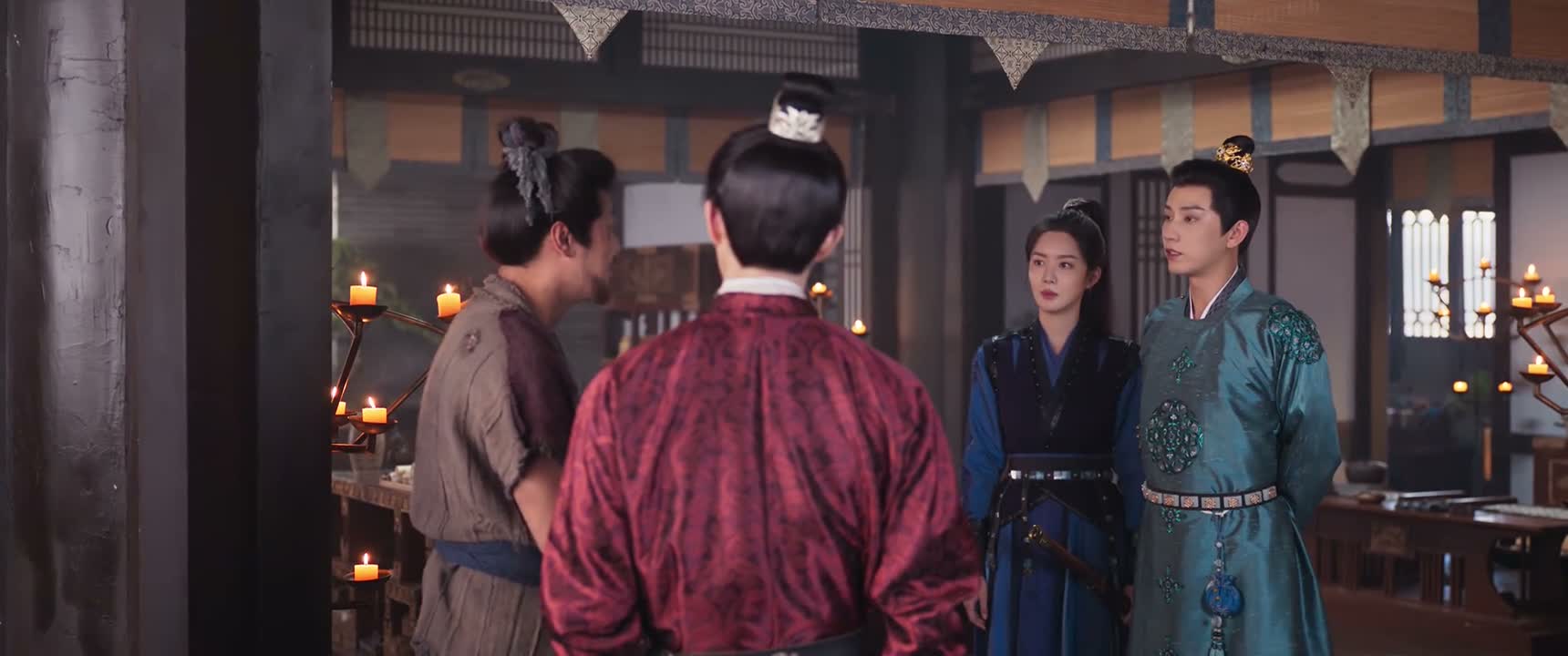
“is a chance to redeem yourself through merit.”

“I think you already know the answer.”

“can I take it that you've forgiven me?”