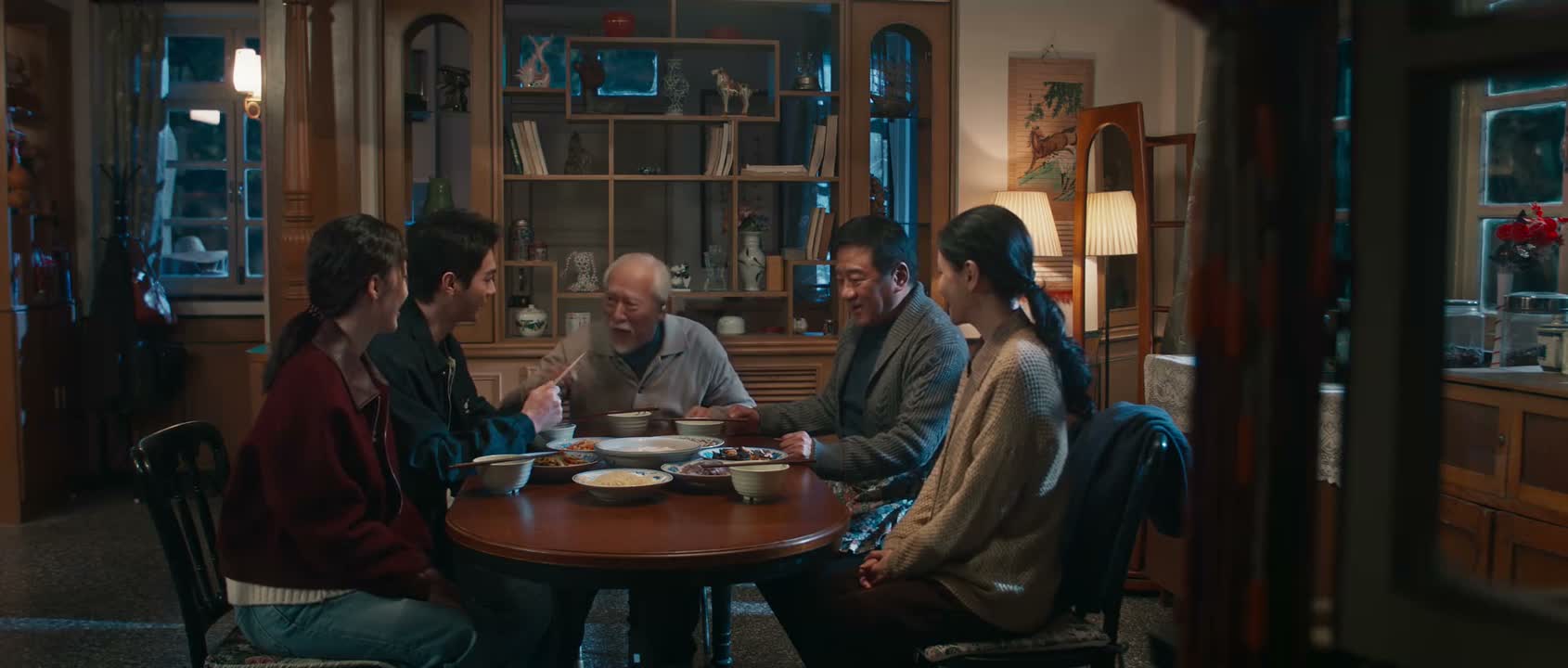
来 说了少弄几个菜 又是一桌子
“Come on. I said keep it simple, but you made a feast again.”
THE DIALOGUE REEL
一家人在一起啊 健健康康 热热闹闹的 多好啊
“Family together, healthy and happy. Isn't it great?”
来 说了 少弄几个菜 又是 一桌子
“Come on. I said keep it simple, but you made a feast again.”
你弄得累 我们吃着也累
“You're tired cooking it, and we're tired eating it.”
“You wore yourself out cooking so much food again; you really did not have to work this hard.”
Chinese hosts traditionally express love and respect by preparing far more food than necessary, prompting routine ritual complaints from caring family members.
LEARNING CHUNKS & PARTICLES
a whole table full of; tableful
Colloquial measure-word construction used to describe an abundance of food or items covering a table.
prepare fewer dishes
A colloquial way to advise a host or cook to keep the meal simple and save effort.
VOCABULARY & EXPRESSIONS
Parallel Spoken Cinema Scenes (语义近邻切片)

“Come on. We've prepared food for you.”

“Say something. Do not serve the food yet.”

“Every time he brought food, I could eat nearly an extra bowl.”
“Look, the food is getting cold.”
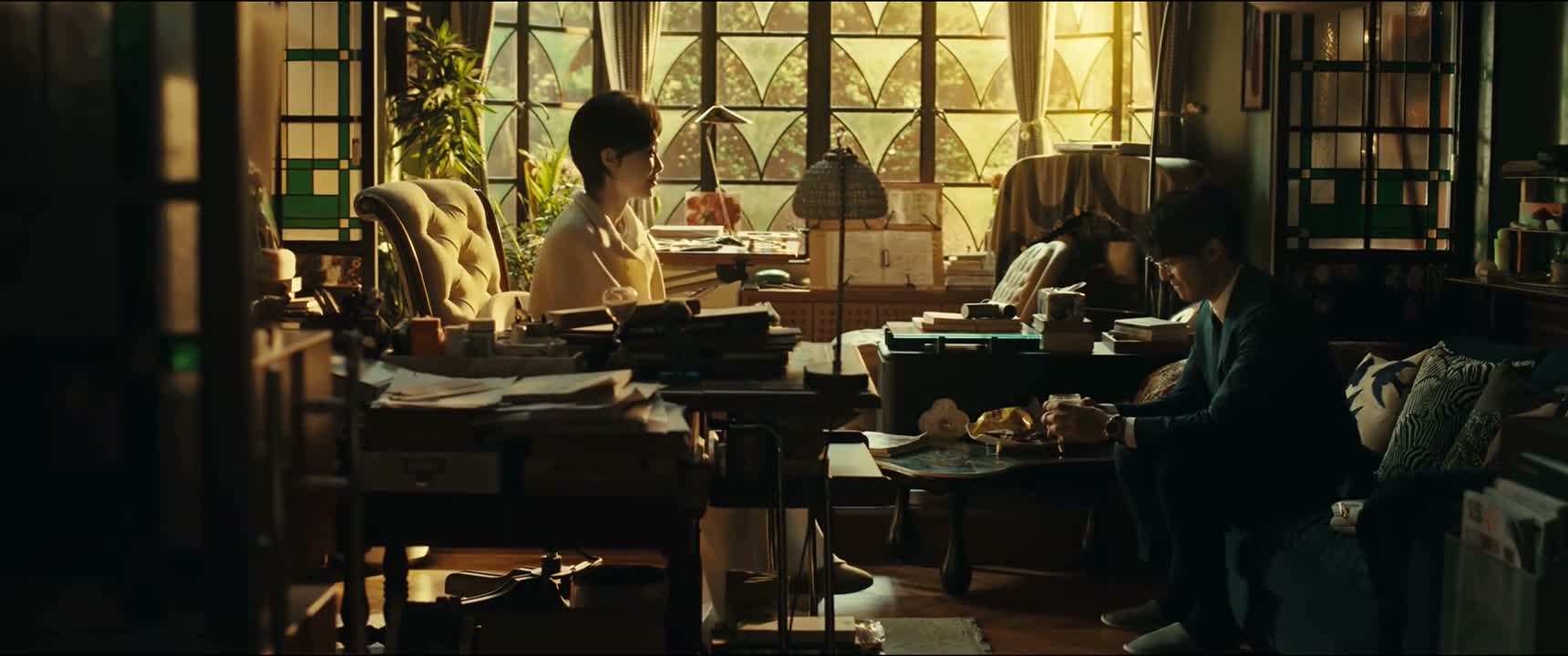
“Should I bring the dishes out first? We can eat while we talk.”

“Why are there still some dishes not served?”