何宇穹你这么说过分了吧
“He Yuqiong, you're going too far.”
THE DIALOGUE REEL
故意拿我气你妈呀
“Were you just using me to get back at your mom?”
何宇穹你 这么说 过分了吧
“He Yuqiong, you're going too far.”
你觉得我会拿我们俩的感情 开玩笑来气我妈
“Do you really think I'd use our love just to get back at my mom?”
“You crossed the line; how could you question my genuine feelings for you?”
Calling something '过分' (guòfèn) indicates that an unspoken social or relational boundary of decency has been violated.
LEARNING CHUNKS & PARTICLES
that's going too far, don't you think?
Used to call out someone for crossing emotional boundaries or acting unfairly in a relationship or dispute.
Softens the blunt accusation into an appeal for the listener to reflect on their unfair statement.
VOCABULARY & EXPRESSIONS
Parallel Spoken Cinema Scenes (语义近邻切片)

“It is not as exaggerated as you say.”
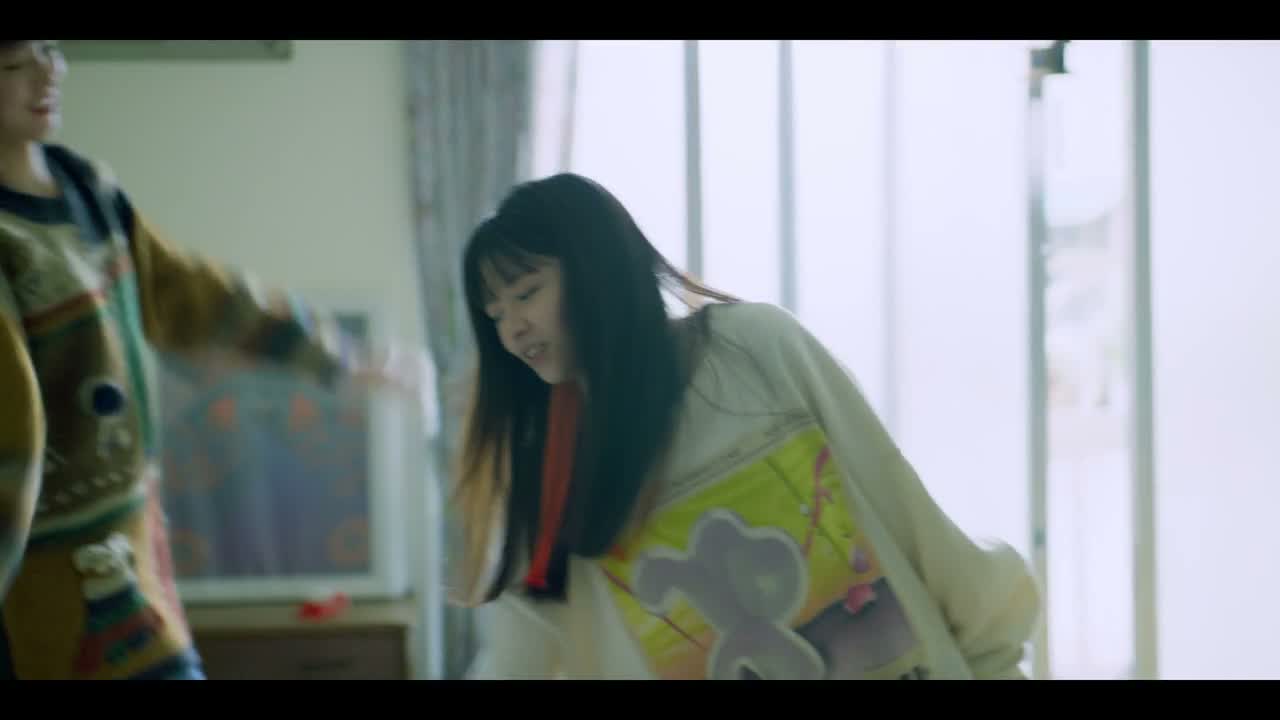
“You're too much.”

“You said you were a bad guy?”

“You're exaggerating. You'll see.”
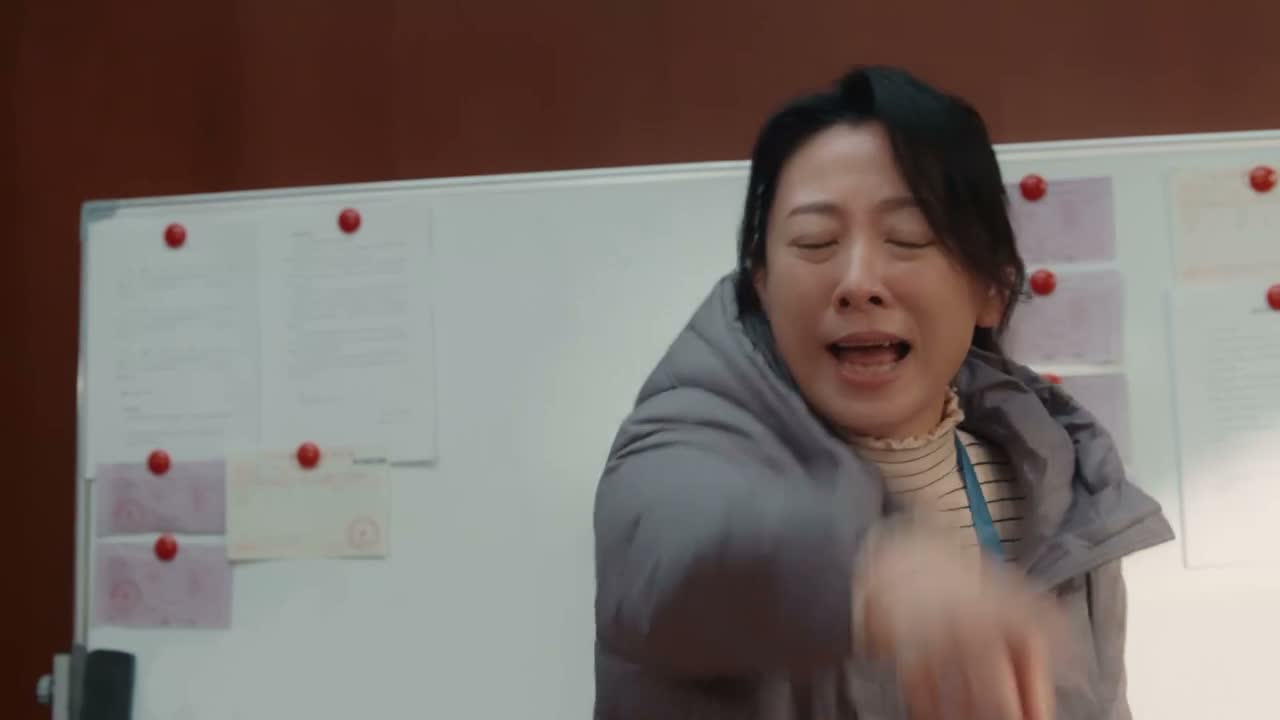
“How dare you say something like that?”

“You're being overly exaggerating.”