MC
MandarinClips Cinema Corpus
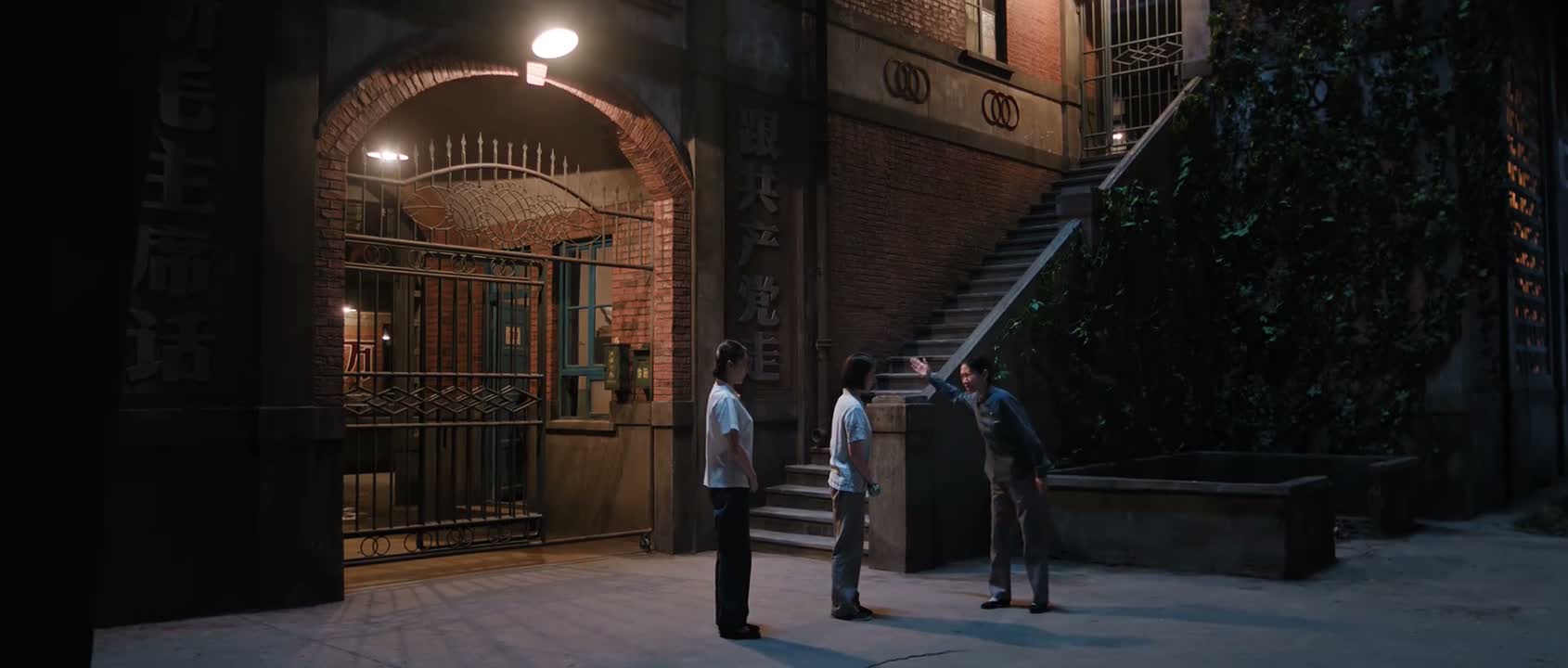
《Love Story in the 1970s》 S1·E26 (14:38) HSK 5
wǒ fā xiàn nǐ céng jīng hái shì yí gè jiù rén yīng xióng ne

我发现你 曾经还是一个救人英雄呢

“I found that you were a hero who saved someone.”

《Love Story in the 1970s》 S1·E26
TIMECODE: 14:38 · 1080P MASTER AUDIO

THE DIALOGUE REEL

1+1+1 SPOKEN CONTINUITY
[-1] PREVIOUS TURN xiǎo fāng tóng zhì nǐ de bèi jǐng zī liào wǒ dōu kàn guò le

“Fang, I've read your file.”

wǒ fā xiàn nǐ céng jīng hái shì yí gè jiù rén yīng xióng ne CURRENT FOCUS

我发现 你 曾经 还是 一个 救人英雄 呢

“I found that you were a hero who saved someone.”

[+1] FOLLOW-UP TURN bù guò nǐ duì yú wǒ men dé dà cān tīng kě néng hái bú shì hěn liǎo jiě

“But you may not know much about Deda Restaurant.”

Subtitles synced to millisecond timecode Browse Show Clips →
Scene: Workplace
Function: PRAISING BEFORE CRITIQUING
Tone: CORDIAL
Emotion: INTEREST
WHAT THEY REALLY MEAN (PRAGMATIC SUBTEXT)
“Your moral character is impressive, but that doesn't necessarily mean you qualify for this job.”
💡 Cultural Insight: Prefacing Rejection with Praise

In Chinese business and workplace communication, superiors often acknowledge an applicant's moral worth or past merits to preserve harmony before pointing out practical shortcomings.

INTENT TAGS: #praise #softening #transitioning #screening
🧩

LEARNING CHUNKS & PARTICLES

1 CHUNKS · 1 PARTICLES
救人英雄 SPOKEN CHUNK

hero who saved someone's life

A set phrase used to commend someone who performed a heroic rescue.

Modal Particle「呢」 (ne) CHANGE OF STATE

Adds a lively, slightly surprised, or admiring tone to the observation.

🏮

VOCABULARY & EXPRESSIONS

2 EXPR · 2 GRAMMAR
CROSS-CINEMA CORPUS BOARD · PARALLEL SCENES

Parallel Spoken Cinema Scenes (语义近邻切片)

EXPLORE BY SEMANTIC SIMILARITY
《Love Story in the 1970s》 S1·E26 (14:38) · Authentic Cinema Dialogue Corpus