功德?是造孽啊
“Merit? No, it's a sin!”
THE DIALOGUE REEL
贤妃若是能帮我们保守秘密 也是功德一件
“If you can help us keep the secret, that would be a merit too.”
功德?是 造孽 啊
“Merit? No, it's a sin!”
你一个教坊司的乐伎 只一夜之间
“Look at you, a mere music girl from the Music Office, you became”
“Don't pretend covering this up is a good deed; it is shameful and wicked.”
Buddhist karmic concepts of 'gongde' (merit) and 'nie' (sin/karma) are widely used in Chinese rhetoric to frame ethical actions and call out hypocrisy.
LEARNING CHUNKS & PARTICLES
to commit a sin; to do something morally wrongful
Used colloquially or dramatically to denounce cruel, wicked, or morally disastrous behavior.
Intensifies the exclamation, conveying strong moral outrage and disbelief at the other person's framing.
VOCABULARY & EXPRESSIONS
Parallel Spoken Cinema Scenes (语义近邻切片)

“He is a blessed father.”
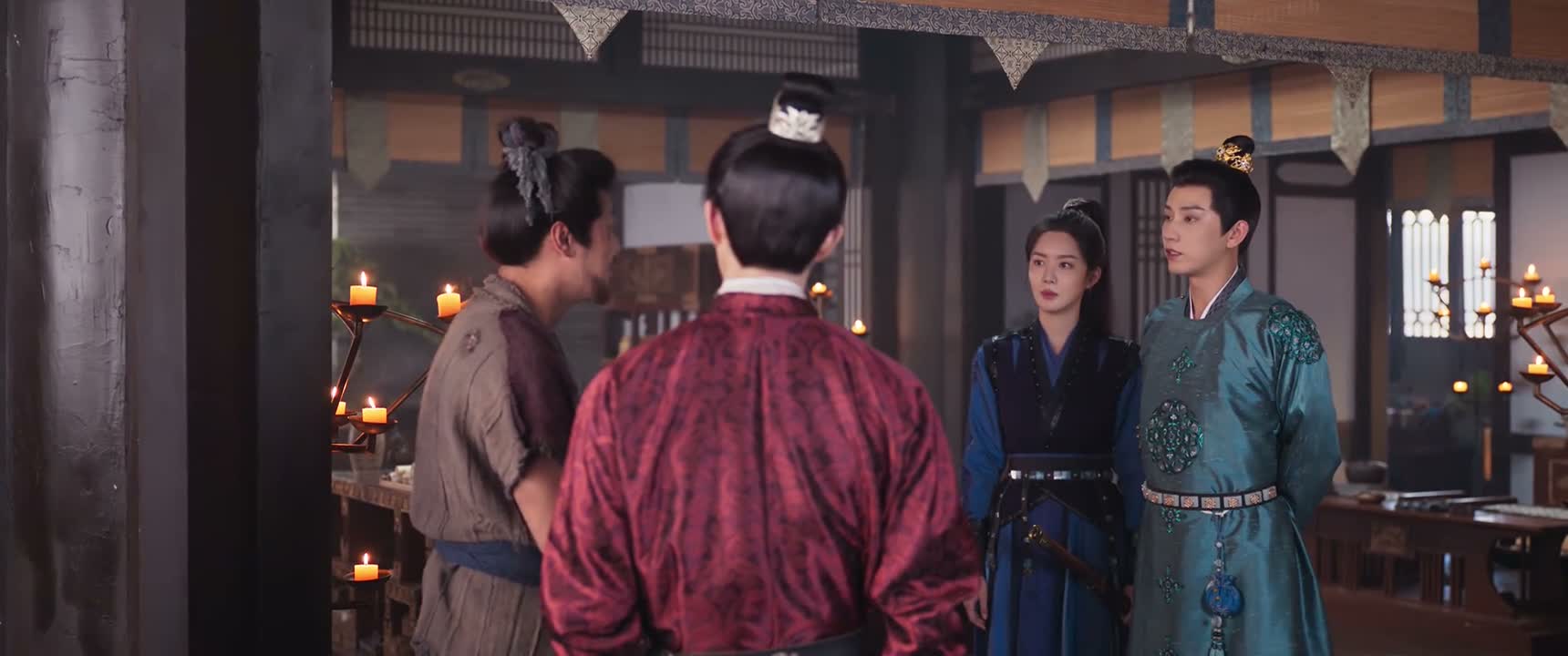
“is a chance to redeem yourself through merit.”
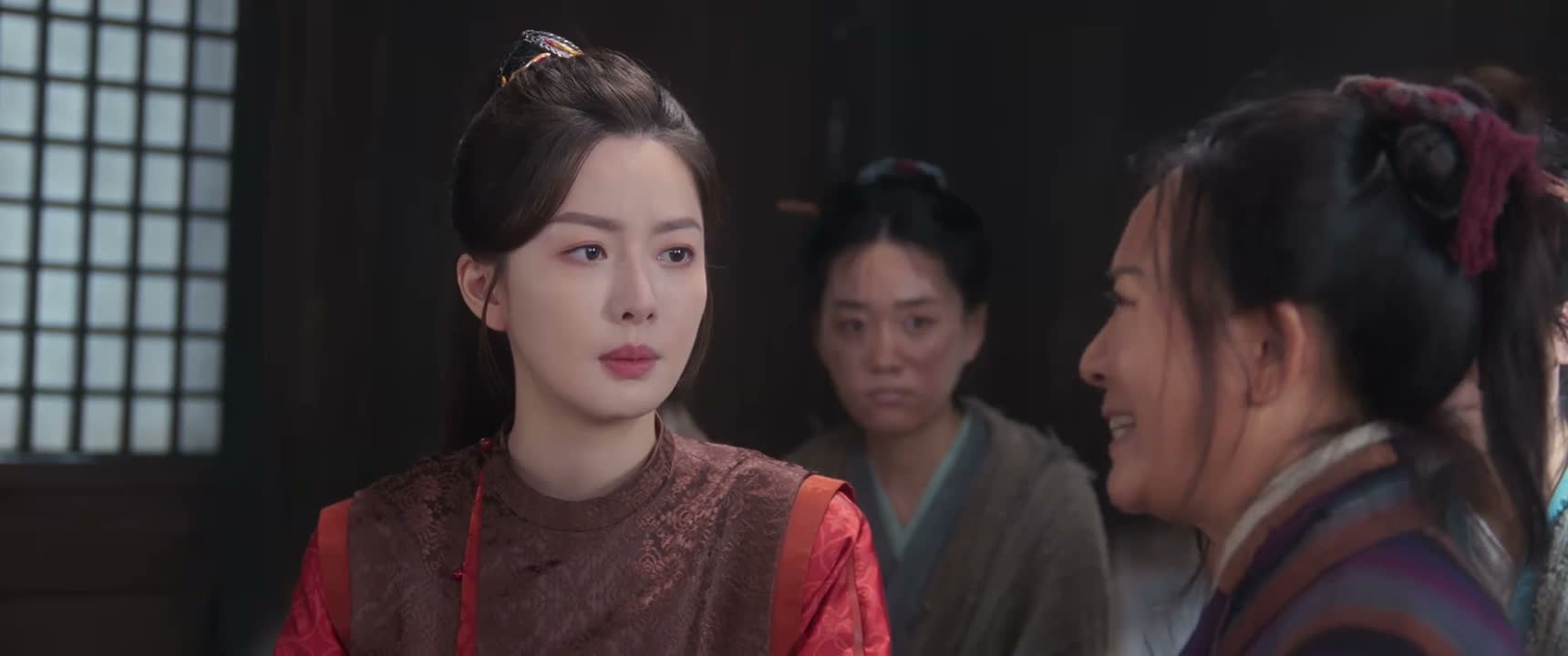
“some merit for my next life.”

“It's all retribution.”

“Great General, Are you trying to use your achievements to excuse your mistakes?”

“Thank you, Patriarch, for your protection.”