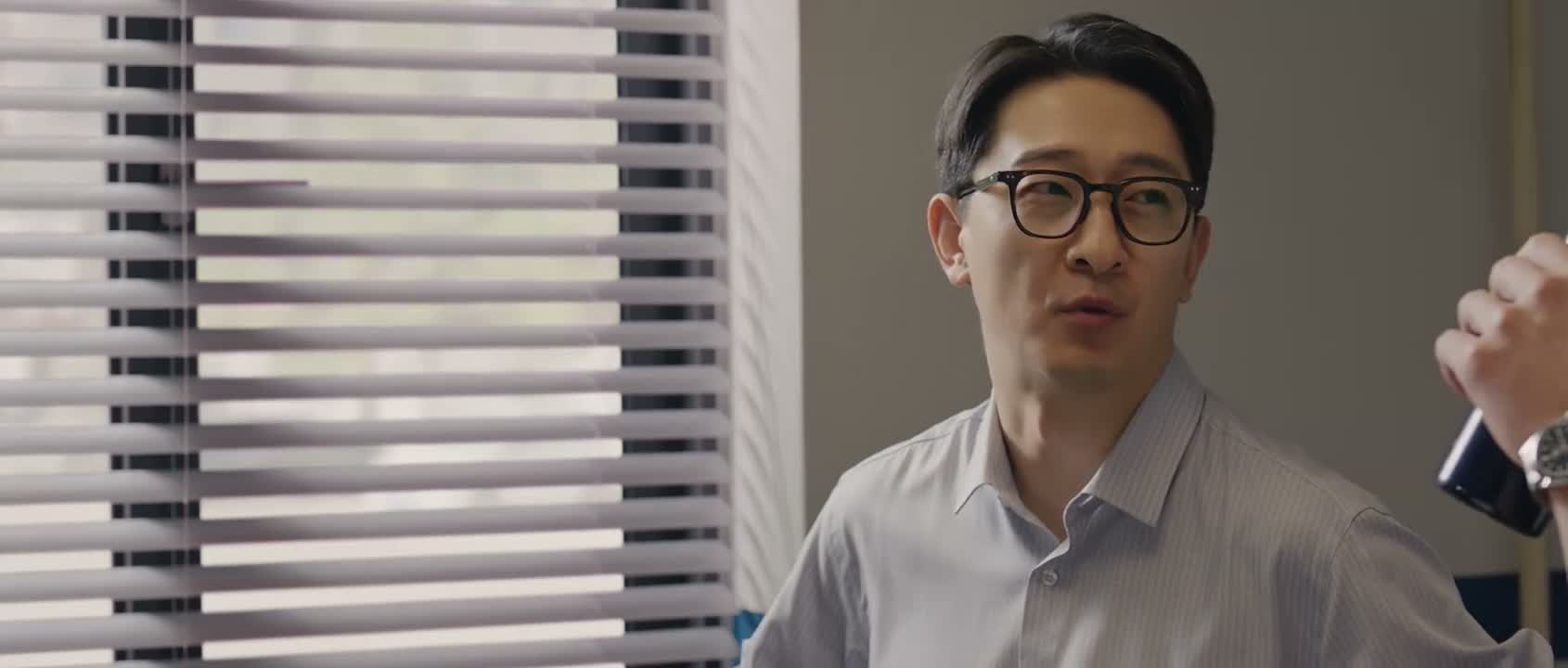
你知道我最讨厌哪两种男人吗 第一
“Do you know the two kinds of men I hate most? First,”
THE DIALOGUE REEL
为什么揍你
“Why?”
你知道 我 最讨厌 哪两种男人吗 第一
“Do you know the two kinds of men I hate most? First,”
“men who use petty tricks behind my back.”
Direct spoken expression in this communicative setting.
In Chinese conflict resolution, establishing moral righteousness (occupying the moral high ground or '占理') is essential to legitimize punitive actions against boundary violations.
LEARNING CHUNKS & PARTICLES
hate the most; loathe
Direct and strong expression of personal distaste or boundary violation.
firstly; number one
Used in spoken rhetoric to start an emphatic list of complaints or rules.
Forms a rhetorical question that commands the listener's immediate attention before revealing the punchline.
VOCABULARY & EXPRESSIONS
Parallel Spoken Cinema Scenes (语义近邻切片)

“You know I hate men who lie the most.”

“I detest and don't need to be pitied.”
“I hate when you play the appeaser.”

“(The person I hate the most)”

“You know I hate her the most.”

“I hate sneaky people.”