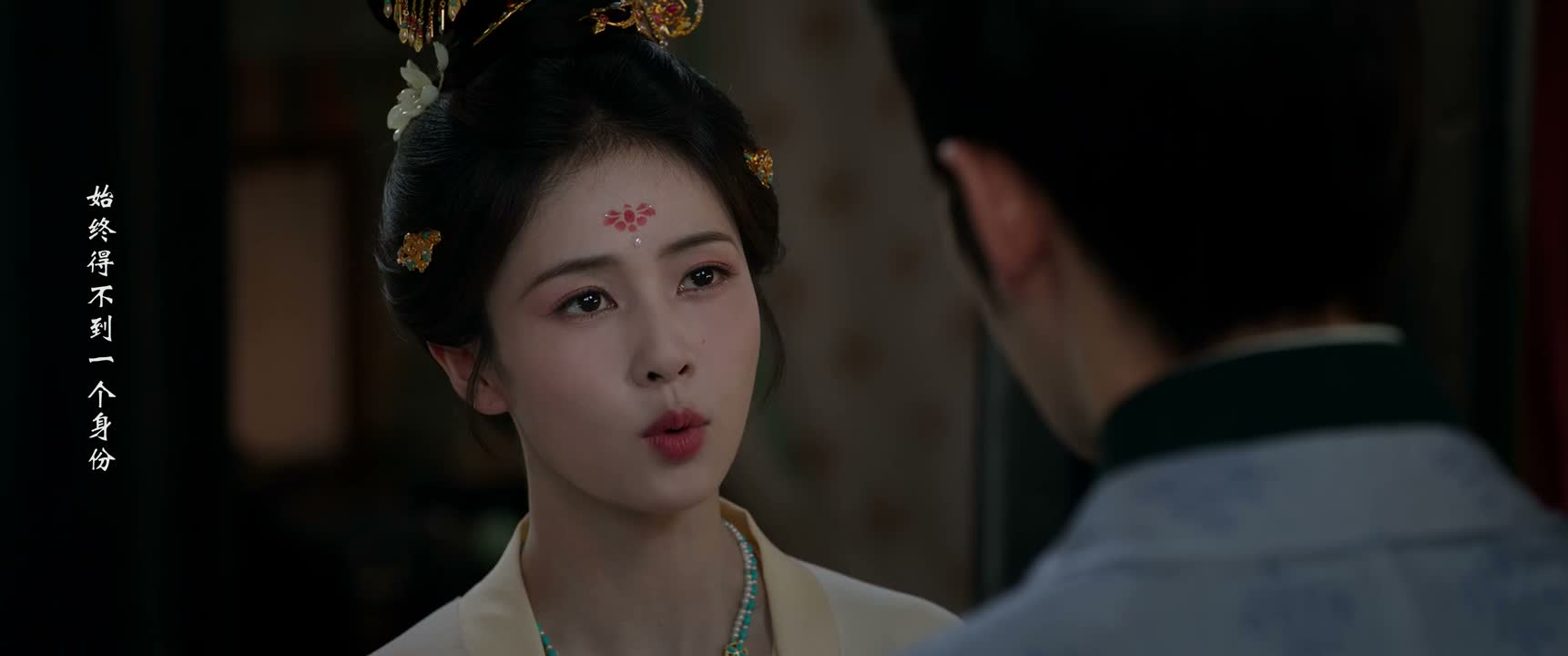
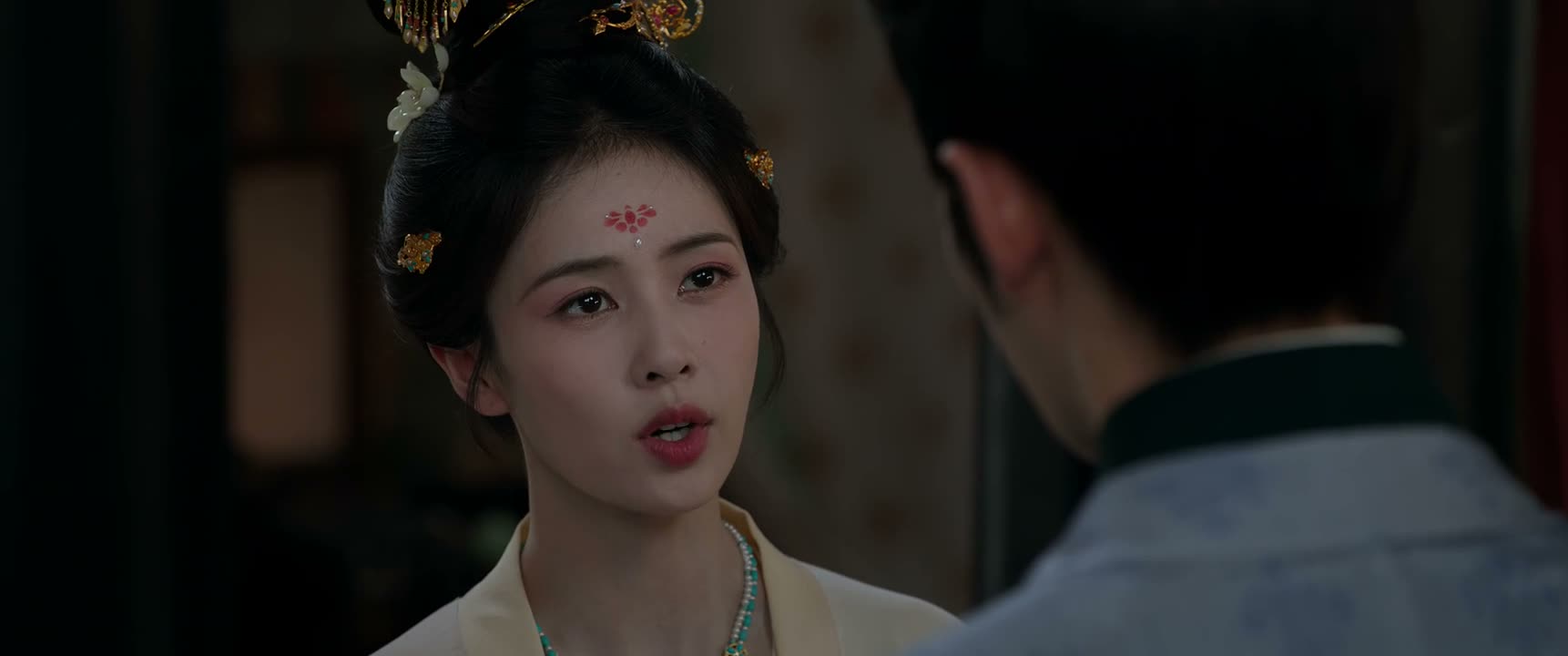
我最讨厌你这个和稀泥的样子
“I hate when you play the appeaser.”
THE DIALOGUE REEL
你要注意团结
“Chief Liu has his plans. Focus on unity.”
我最讨厌你这个和稀泥的样子
“I hate when you play the appeaser.”
你谁徒弟啊
“Whose apprentice are you? Zhu Helai's, right?”
“Stop being such a spineless peacemaker—stand up for what's right instead of just trying to appease everyone.”
Originating as a Chinese folk idiom (literally 'mixing wet clay'), it refers to smoothing over interpersonal conflicts just to maintain superficial harmony without distinguishing right from wrong. It is often criticized by those who prioritize principles and efficiency.
The subsequent line 'Whose apprentice are you?' reflects the deep-rooted culture of apprenticeship, mentorship, and factional loyalty in traditional Chinese trades and workplaces, where an apprentice's conduct reflects directly on their mentor's guidance and stance.
LEARNING CHUNKS & PARTICLES
To blur right and wrong to patch up a quarrel; to play the unprincipled peacemaker and please both sides.
A derogatory term used as a verb or modifier (e.g., 'an unprincipled compromising approach'). Often used to criticize peacemakers in the workplace or social interactions who avoid resolving substantive conflicts.
To thoroughly detest a certain demeanor, mannerism, or attitude.
Colloquially used to bluntly express dislike and criticism toward someone's specific habit or way of behaving.