我把他灭了 我把他干掉了
“I took him out. I killed him!”
THE DIALOGUE REEL
“That shipyard explosion was orchestrated by Liu Zhijun!”
我把他 灭了 我 把他干掉 了
“I took him out. I killed him!”
“Doesn't that count as justice for the victims?”
“I eliminated the villain with my own hands, so do not treat me like a common criminal.”
Chinese dramatic narratives often contrast rigid state law with popular notions of blood vengeance to provide an 'account' (jiaodai) to the dead.
LEARNING CHUNKS & PARTICLES
wiped him out / eliminated him
Highly colloquial and aggressive slang denoting destroying or terminating someone.
took him out / finished him off
Everyday colloquial expression for killing or getting rid of an opponent.
Marks completed action and reinforces the finality of the speaker's deed.
VOCABULARY & EXPRESSIONS
Parallel Spoken Cinema Scenes (语义近邻切片)

“I'll kill him then. No.”

“Do you want me to do away with him?”
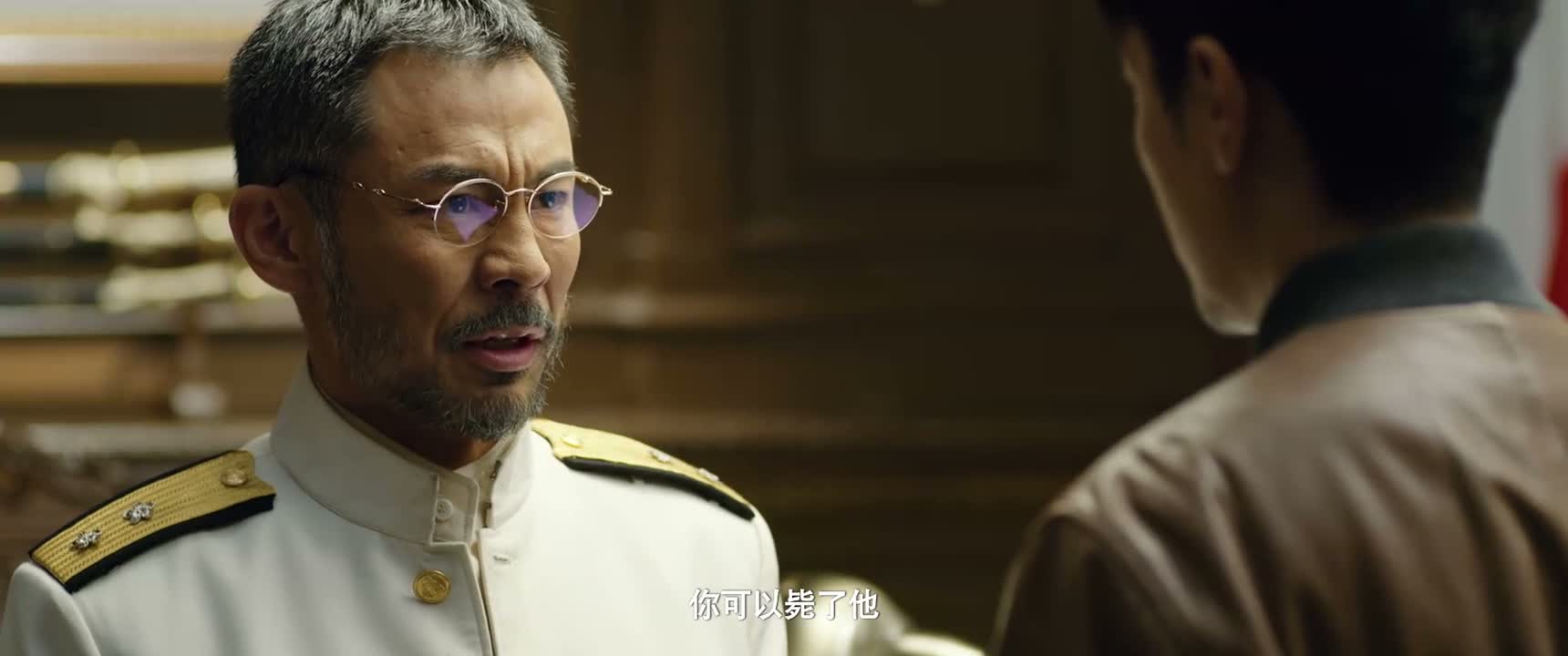
“you can shoot him.”

“I've ruined him.”

“Kill him! Kill him!”

“Kill them all!”