不愿意去面对自己 那么难堪的过去
“I didn't want to face such an embarrassing past.”
THE DIALOGUE REEL
可能和你一样
“Maybe just like you,”
不愿意 去 面对 自己 那么 难堪 的过去
“I didn't want to face such an embarrassing past.”
但我什么都告诉你了
“But I told you everything.”
Direct spoken expression in this communicative setting.
In Chinese culture, admitting to a 'humiliating past' entails a significant personal risk of losing face, making this confession a sign of deep trust and intimacy.
LEARNING CHUNKS & PARTICLES
to face oneself
Used in reflective contexts to describe confronting one's genuine flaws, fears, or reality.
an embarrassing/humiliating past
Collocation used when describing painful, shameful, or awkward chapters in one's personal history.
VOCABULARY & EXPRESSIONS
Parallel Spoken Cinema Scenes (语义近邻切片)

“their bad side to their relatives.”

“faced her heart.”

“People... find it the hardest to face themselves.”
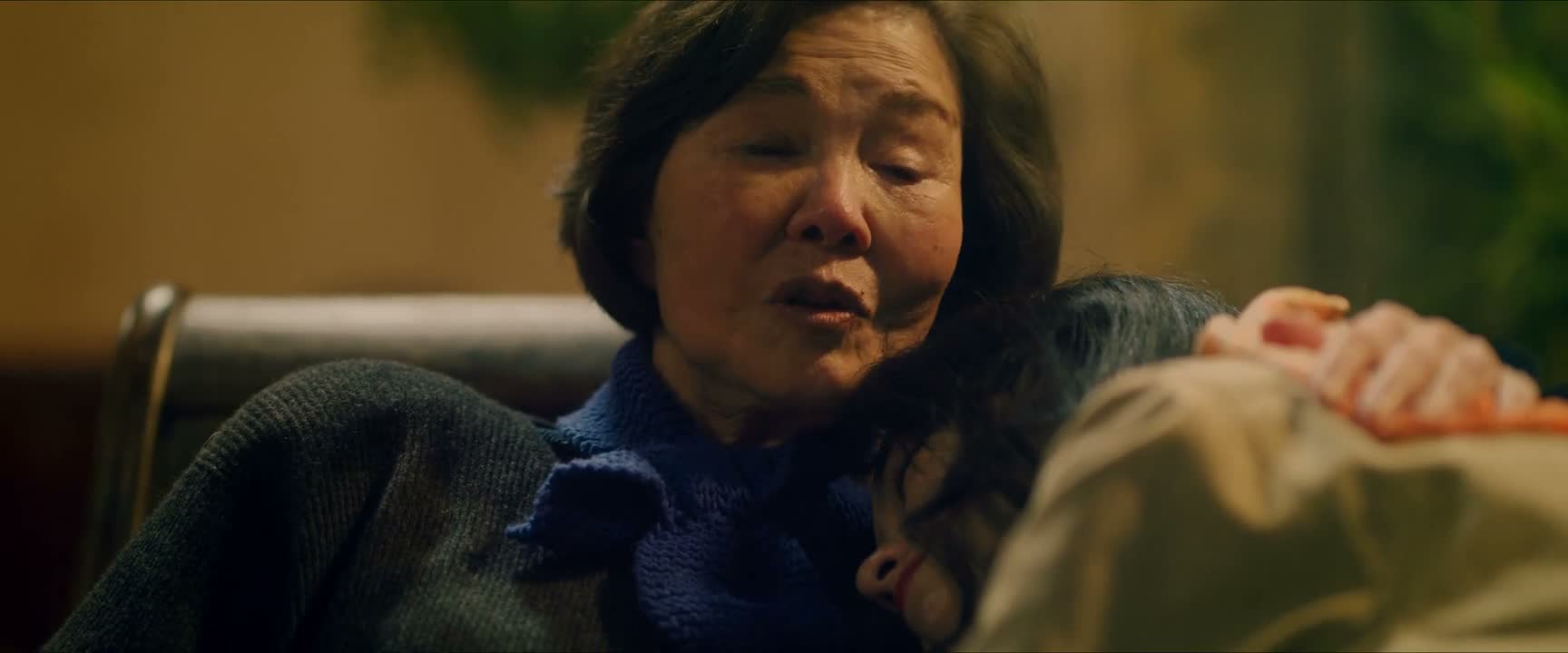
“for anyone is facing themselves.”

“I figured if I couldn't face it, neither could you,”
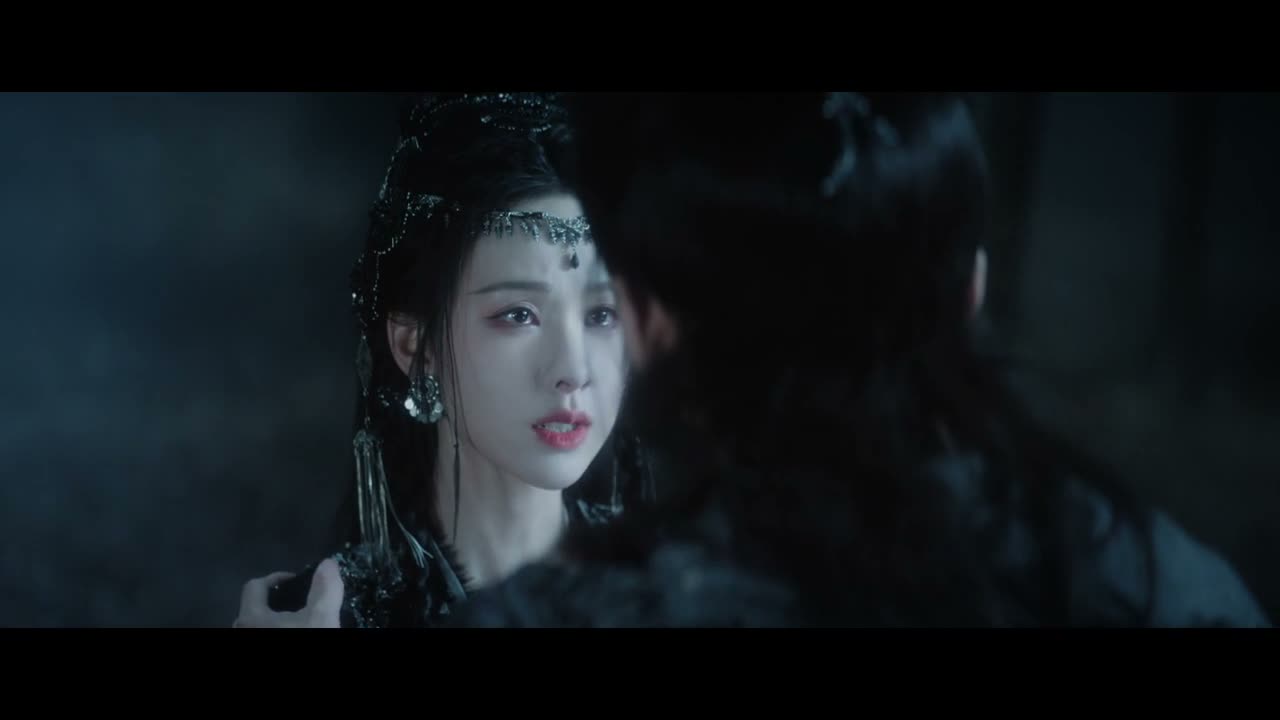
“I have to face it alone.”