因为这事我确实干得太混蛋了 对不起
“Because I really acted like a jerk. I'm sorry.”
THE DIALOGUE REEL
“no matter how I explain it, I'm in the wrong.”
因为这事我 确实 干得太混蛋了 对不起
“Because I really acted like a jerk. I'm sorry.”
还有就是 我这个人嘴笨 也不会说什么漂亮话
“And I'm not good with words, and I don't know how to sweet-talk.”
Direct spoken expression in this communicative setting.
Chinese speakers often use harsh self-criticism (like calling themselves a 'jerk') to demonstrate genuine remorse and lower their own social posture to appease the injured party.
LEARNING CHUNKS & PARTICLES
acted like a total jerk; did something completely reprehensible
A colloquial, self-deprecating phrase used when owning up to severe interpersonal mistakes.
I'm sorry
The standard and direct phrase used to apologize for wrongdoing.
Functions as a marker of excess after 太 (too), emphasizing the extreme degree of the bad behavior.
VOCABULARY & EXPRESSIONS
Parallel Spoken Cinema Scenes (语义近邻切片)

“I really did go too far.”

“Terribly wrong.”
“It was indeed my fault to begin with. [Civil Complaint]”
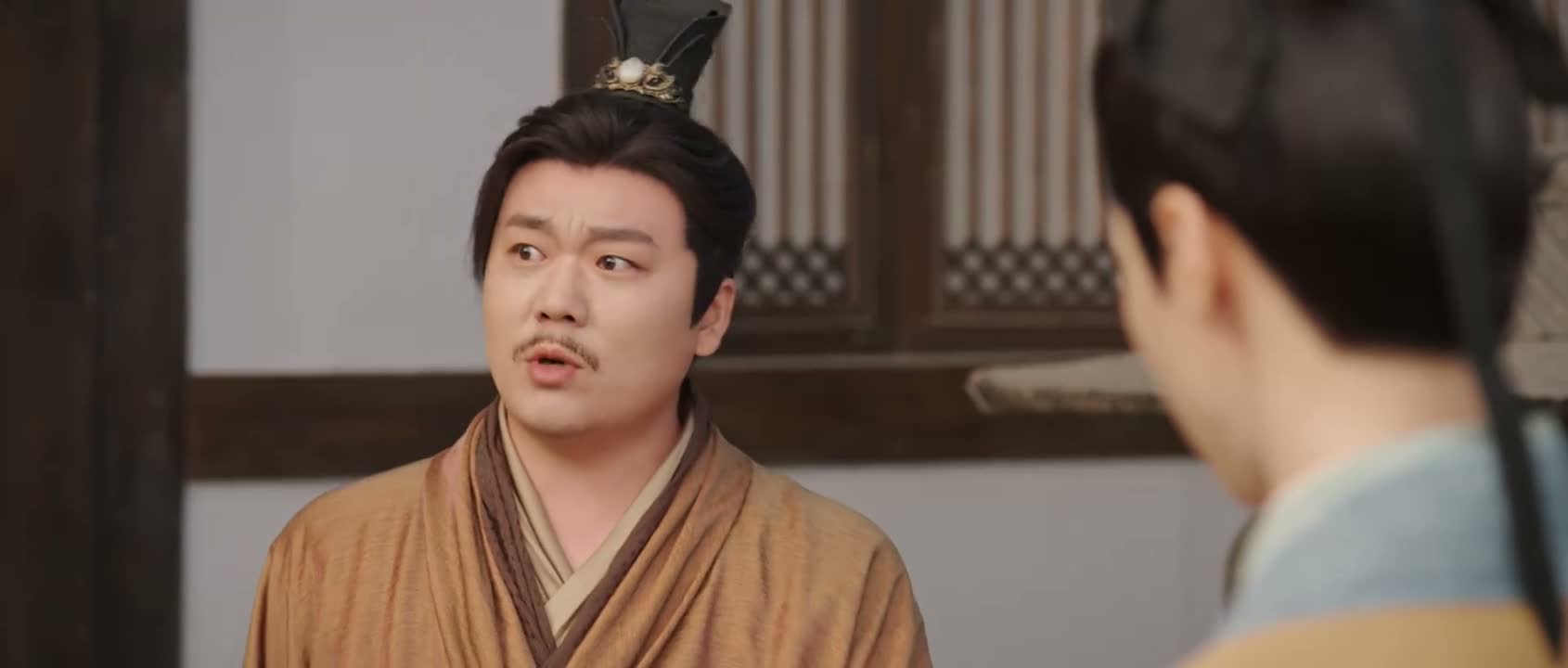
“must have wronged him.”

“I always have to play the bad guy.”

“He actually did something so outrageous!”