MC
MandarinClips Cinema Corpus
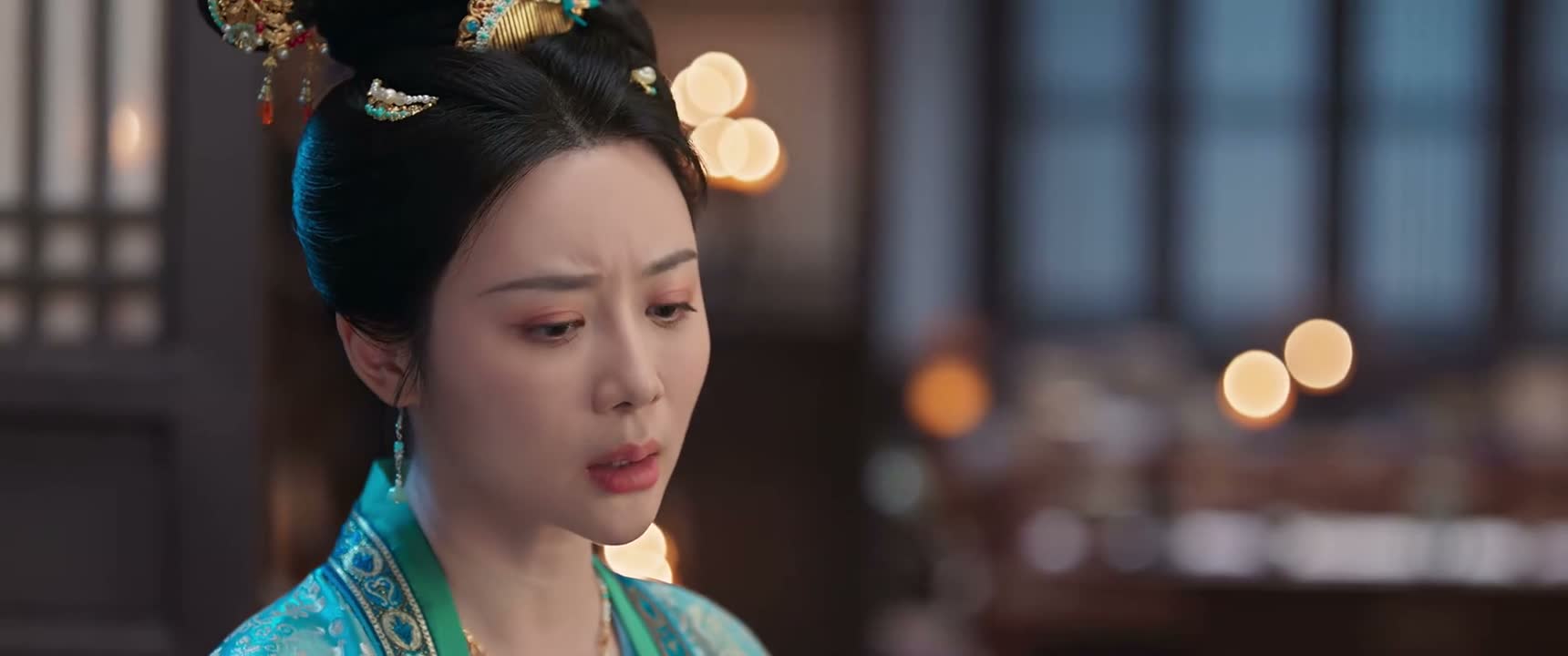
《Love Has Fireworks》 S1·E14 (16:27) HSK 1
wǒ dǎ diàn huà nǐ bù dōu tīng jiàn le ma

我打电话你不都听见了吗

“You heard the call, didn't you?”

《Love Has Fireworks》 S1·E14
TIMECODE: 16:27 · 1080P MASTER AUDIO

THE DIALOGUE REEL

1+1+1 SPOKEN CONTINUITY
[-1] PREVIOUS TURN yòu yào chū qù a

“Going out again?”

wǒ dǎ diàn huà nǐ bù dōu tīng jiàn le ma CURRENT FOCUS

我 打电话 你不 都听见了 吗

“You heard the call, didn't you?”

[+1] FOLLOW-UP TURN nà nǐ shén me shí hòu huí lái ya dā yìng hǎo gěi wǒ zuò jǐ dào yìng cài ne

“When are you coming back? You promised to make me a few proper dishes.”

Subtitles synced to millisecond timecode Browse Show Clips →
Scene: Family & Home
Function: DEFENSIVE JUSTIFICATION
Tone: IMPATIENT
Emotion: DEFENSIVENESS
WHAT THEY REALLY MEAN (PRAGMATIC SUBTEXT)
“You already know why I have to go, so don't act surprised.”
💡 Cultural Insight: Rhetorical Questioning in Intimate Settings (反问)

Using rhetorical questions like '你不都...了吗' is common between close Chinese partners to counter nagging, though it often carries a tinge of impatience.

INTENT TAGS: #defensiveness #justification #rhetorical_question #irritation
🧩

LEARNING CHUNKS & PARTICLES

1 CHUNKS · 2 PARTICLES
你不都听见了吗 SPOKEN CHUNK

Didn't you hear it already?

A rhetorical phrasing used when the speaker feels the other person is asking an obvious or unnecessary question.

Modal Particle「了」 (le) CHANGE OF STATE

Indicates completion of the hearing action in the past.

Modal Particle「吗」 (ma) CHANGE OF STATE

Turns the statement into a rhetorical question implying that the answer should be obvious.

🏮

VOCABULARY & EXPRESSIONS

2 EXPR · 0 GRAMMAR
CROSS-CINEMA CORPUS BOARD · PARALLEL SCENES

Parallel Spoken Cinema Scenes (语义近邻切片)

EXPLORE BY SEMANTIC SIMILARITY
《Love Has Fireworks》 S1·E14 (16:27) · Authentic Cinema Dialogue Corpus