那我自己去 站住
“Then I'll go by myself. Stop.”
THE DIALOGUE REEL
不去
“No.”
那我 自己去 站住
“Then I'll go by myself. Stop.”
你也不许去
“You're not going either.”
Direct spoken expression in this communicative setting.
In close relationships in Chinese culture, speakers often drop polite hedging during heated moments and use direct, clipped imperatives like '站住' to assert urgency and care or control.
LEARNING CHUNKS & PARTICLES
I'll go by myself
Commonly used to show independence or assertiveness when another person refuses to accompany you.
stop in your tracks / halt
A blunt, direct imperative order demanding someone cease walking away immediately.
VOCABULARY & EXPRESSIONS
Parallel Spoken Cinema Scenes (语义近邻切片)

“I... Stop right there!”

“Stop right there. What are you doing here?”

“Stop right there. Stop right there.”

“Stop! Stop!”
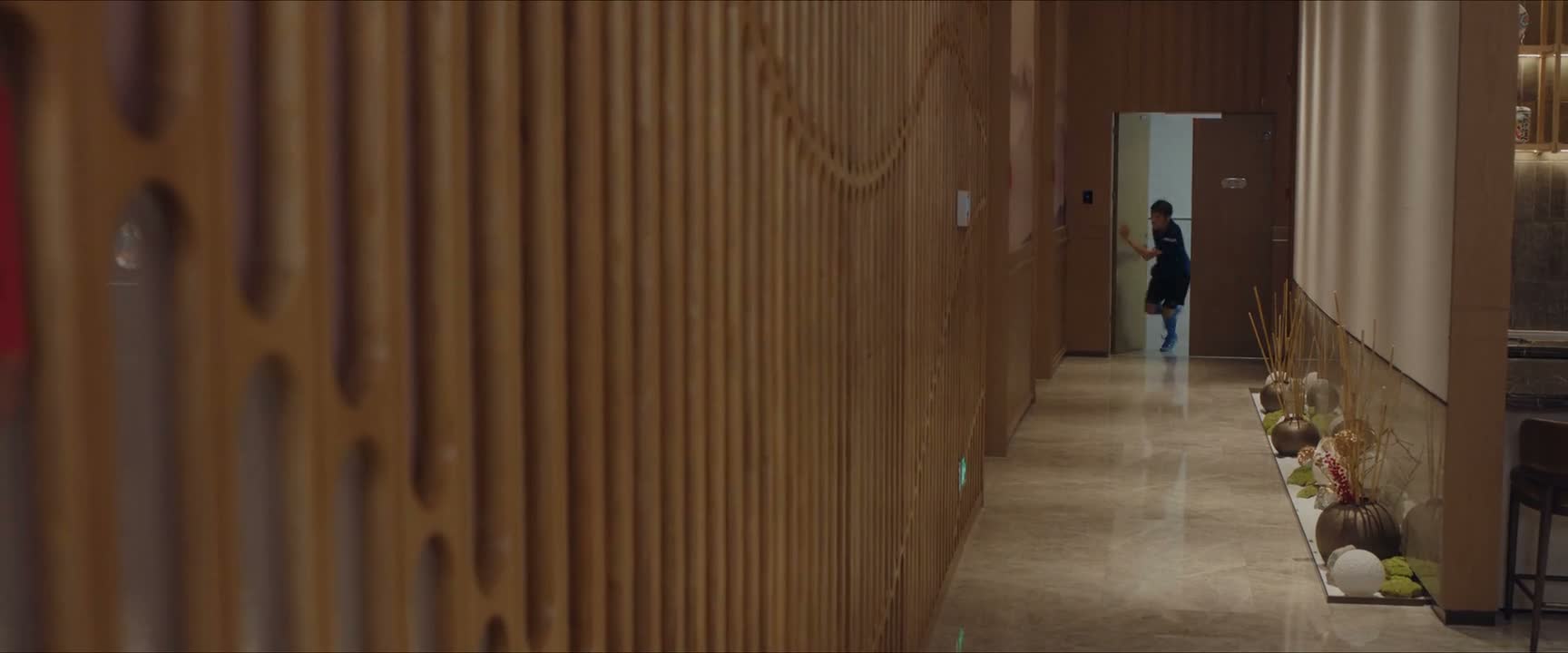
“Stop right there!”

“Stop there! Stop there! Stop there!”