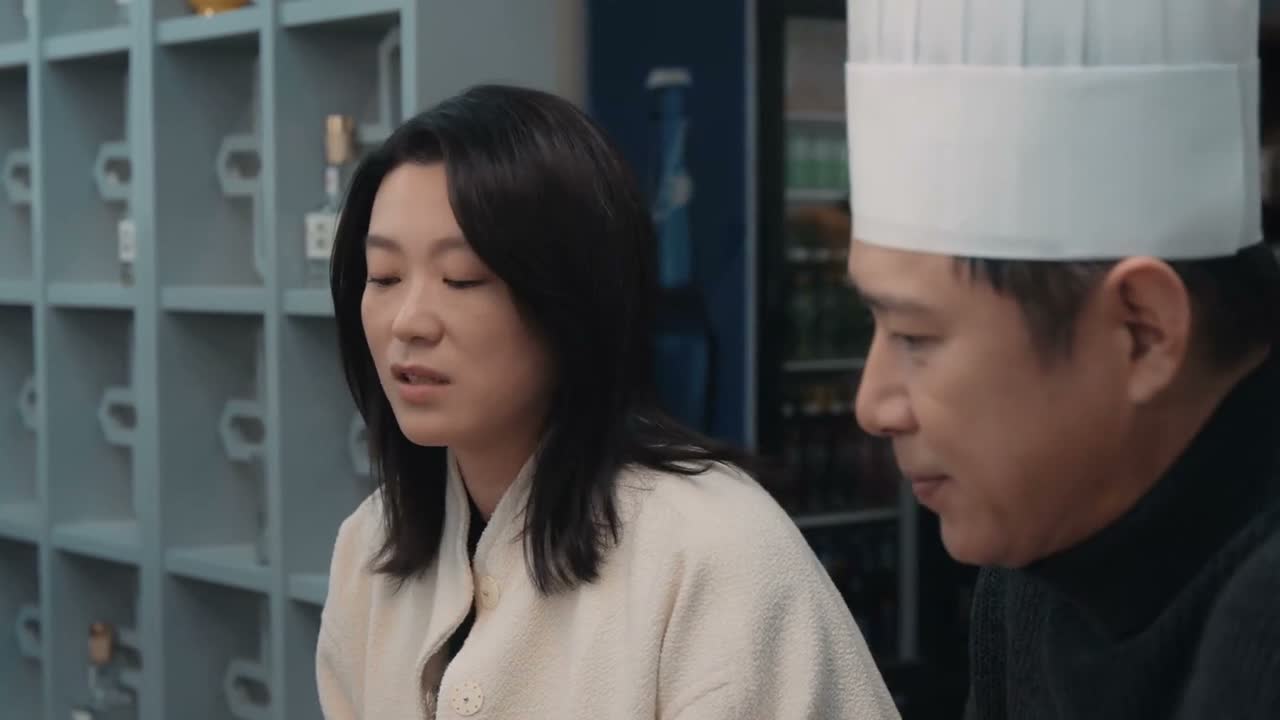
在我家就糟蹋了 我都替它可惜
“It'd be wasted at my place. I'd feel sorry for it.”
THE DIALOGUE REEL
这个酒放到你这儿啊 才是找到它应有的位置
“This wine belongs with you. That's where it should be.”
在 我家 就 糟蹋了 我都替它 可惜
“It'd be wasted at my place. I'd feel sorry for it.”
那我不客气了
“Then thank you.”
“You appreciate fine things much more than I do, so please accept this gift without guilt.”
In Chinese etiquette, gift givers often downplay their own ability to appreciate high-end items to elevate the recipient and ease any reluctance to accept.
LEARNING CHUNKS & PARTICLES
wasted / squandered
Often used in polite self-deprecation to suggest one is not sophisticated enough to appreciate a high-end item.
to feel pity on its behalf
An empathetic, personifying phrase used to emphasize that something valuable is being underutilized.
Marks the hypothetical completed state of ruin or waste.
VOCABULARY & EXPRESSIONS
Parallel Spoken Cinema Scenes (语义近邻切片)

“I ruined this family.”
“through the wringer, haven't you?”

“Aren't you humiliating her? For real?”

“I've already dragged our family down.”

“They ruined my woman. I couldn't swallow that insult.”

“Our family ending up like this is all your fault!”