明天轮到我休息 我能不开心吗
“It's my turn to rest tomorrow. Of course I'm happy.”
THE DIALOGUE REEL
几家 哥 什么事啊 你这么开心
“How many? Brother, what's the matter? You look so happy.”
明天 轮到 我休息 我能不开心吗
“It's my turn to rest tomorrow. Of course I'm happy.”
哥
“Brother.”
“Of course I am thrilled—I finally get a break from work tomorrow!”
Using double-negative rhetorical questions ('能不...吗') is a ubiquitous spoken device in Mandarin to express spontaneous, unreserved excitement while bonding socially.
LEARNING CHUNKS & PARTICLES
it is my turn
Extremely versatile spoken chunk used whenever turns, shifts, or duties rotate to the speaker.
how could I not...?
A high-frequency rhetorical double-negative pattern used to strongly assert that an emotional reaction or action is obvious and justified.
Completes the rhetorical question to emphatically affirm the speaker's joy.
VOCABULARY & EXPRESSIONS
Parallel Spoken Cinema Scenes (语义近邻切片)

“Now it is my turn.”

“I don't think it's my turn yet.”

“Well, can't I take a break? Do I have to keep spinning”
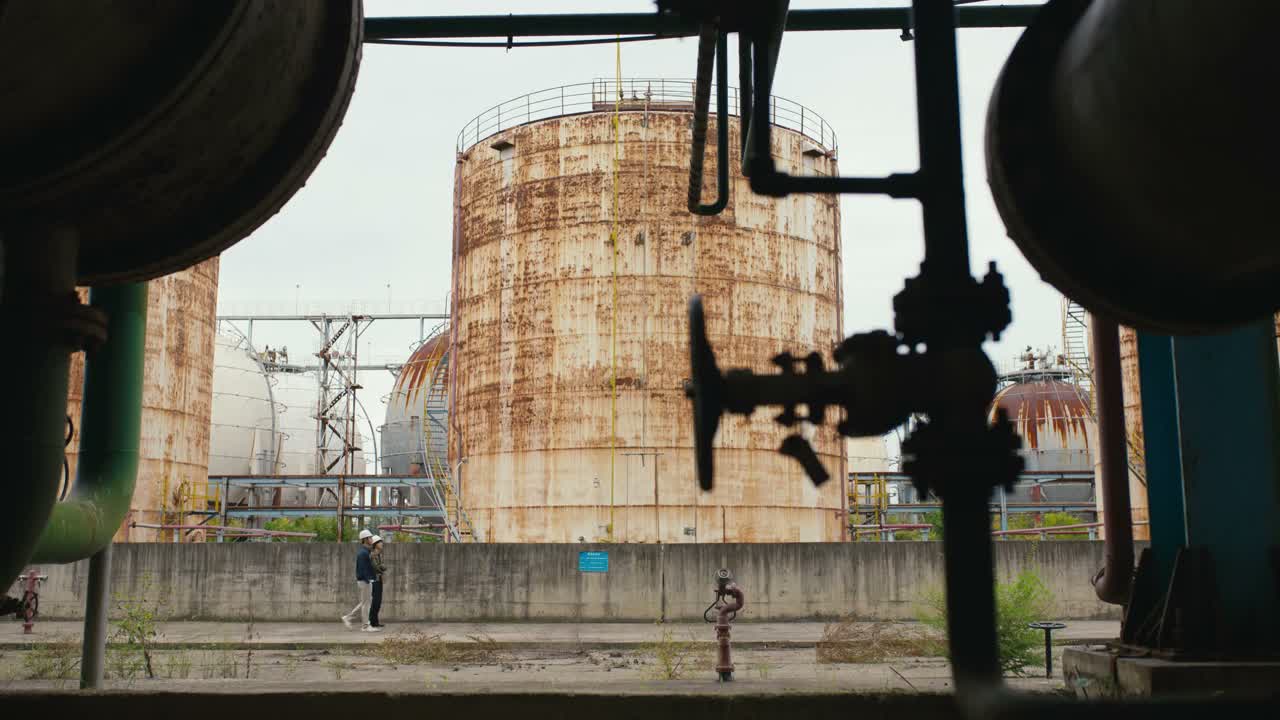
“But now that it's my turn, I finally get it.”
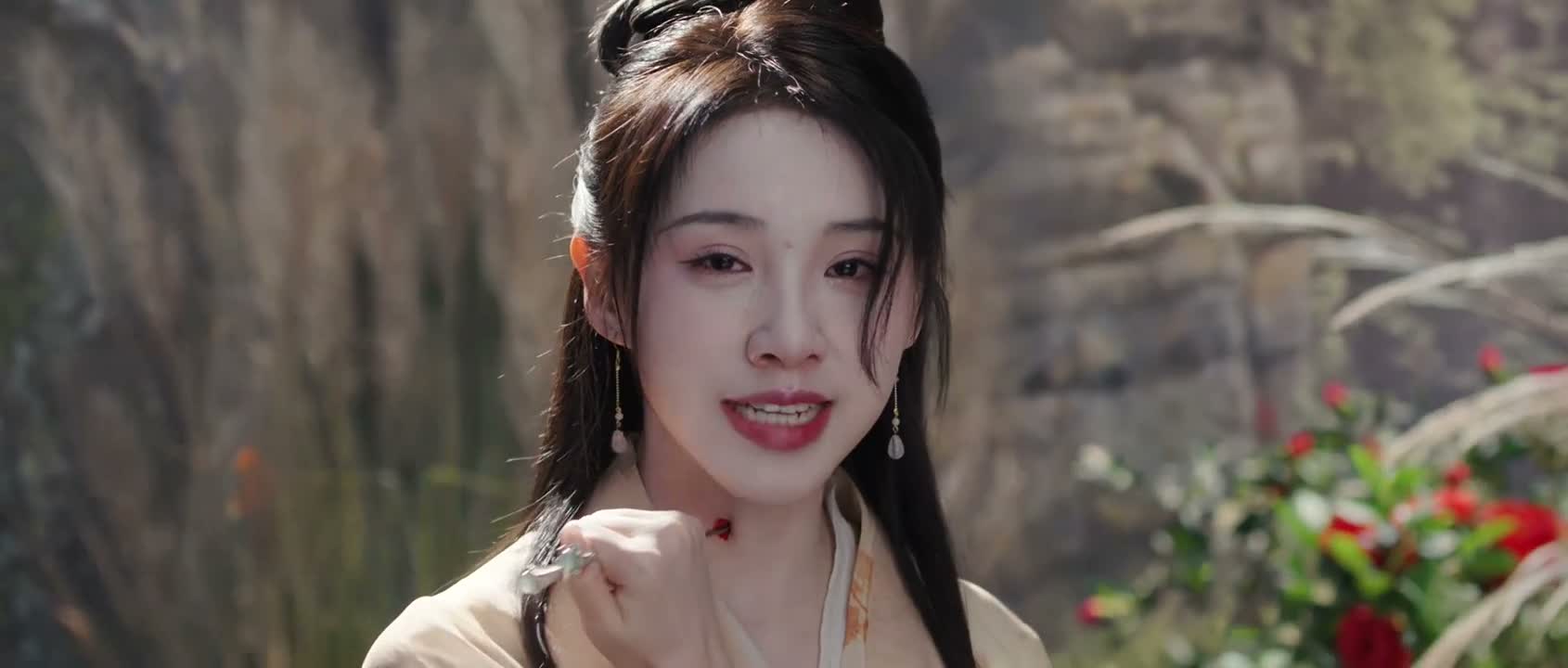
“This time it's my turn.”
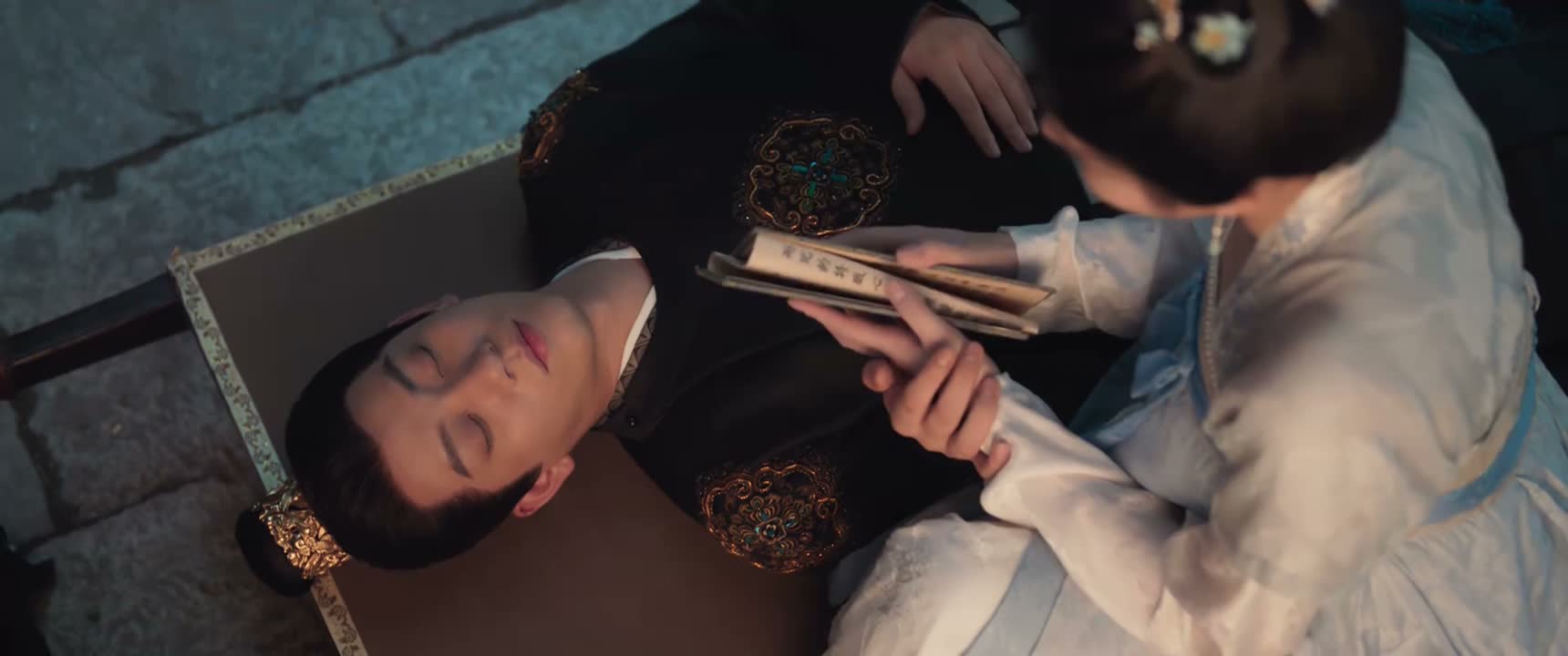
“My turn now, right?”