你下手够重的呀 脸上那淤青几天了都没消
“You really hit him hard. That bruise has been there for days.”
THE DIALOGUE REEL
多穿点
“Wear more clothes.”
你 下手 够重的呀 脸上那 淤青 几天了都 没消
“You really hit him hard. That bruise has been there for days.”
他下手也不轻啊
“He didn't go easy on me either.”
“You really overdid it with your temper, and you left evidence.”
Close friends or partners in Chinese relationships frequently express genuine worry or care about trouble by scolding the other person's reckless actions.
LEARNING CHUNKS & PARTICLES
to strike / hit really hard
Colloquial pattern describing the physical force or ruthlessness someone applied in a fight or disciplinary action.
hasn't faded/swelled down even after days
Used to describe persistent physical symptoms like bruises, swelling, or redness.
Softens the critical comment to sound conversational and intimate rather than formally accusatory.
Indicates the ongoing passage of time (several days having elapsed).
VOCABULARY & EXPRESSIONS
Parallel Spoken Cinema Scenes (语义近邻切片)
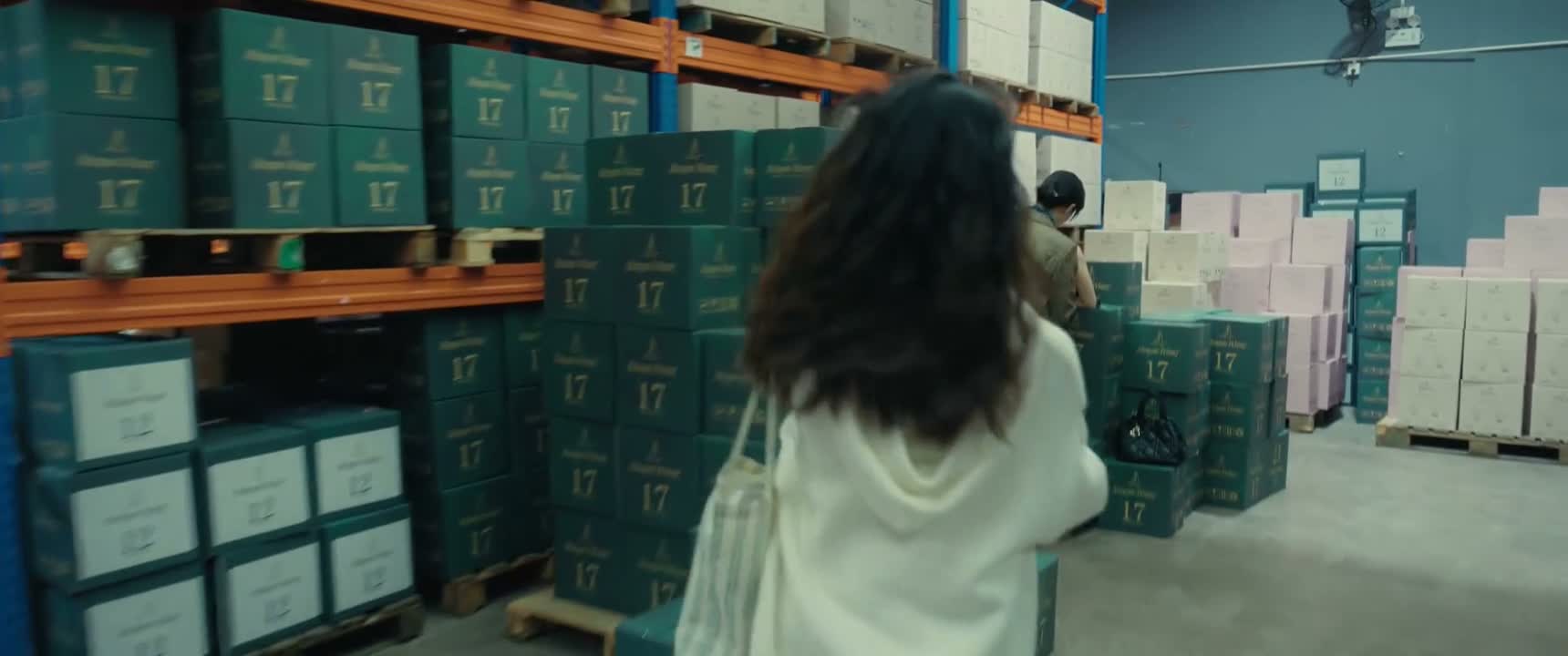
“Fortunately, it's just a bruise.”

“Look at that bruise on his face. You really hit... Almost forgot the important thing.”
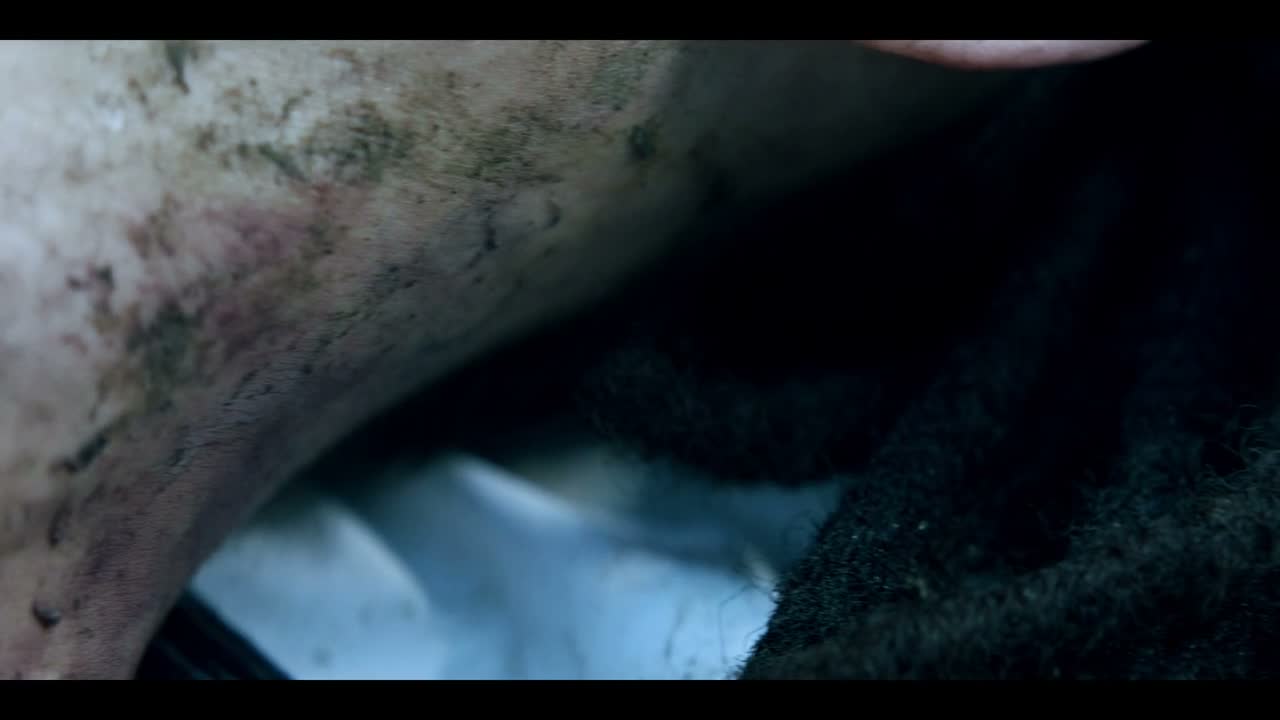
“His hands were tied behind his back. The back of his neck was bruised.”

“But how did you end up with bruises from playing the pipa?”

“The injuries on your face healed pretty quickly.”
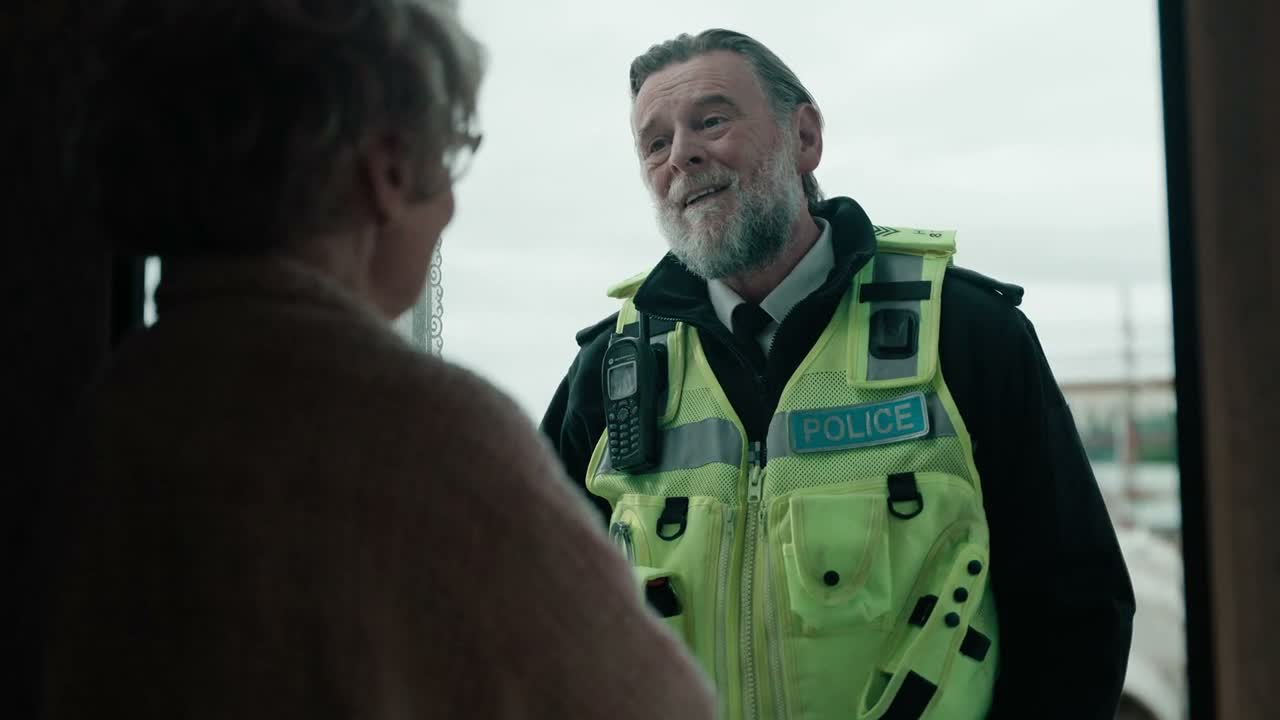
“That how you got that bruise, eh? Watching the flower show?”