我们之前是不是在哪儿见过
“Have we met somewhere before?”
THE DIALOGUE REEL
其实我一直想问
“I've always wanted to ask.”
我们之前 是不是 在哪儿见过
“Have we met somewhere before?”
其实我们早就认识了
“We've known each other for a long time.”
“You look very familiar, or maybe I just want to find an excuse to talk to you.”
Asking if two people have met before is an understated, safe way in Chinese social interactions to establish rapport without appearing overly forward.
LEARNING CHUNKS & PARTICLES
isn't it / right?
Placed before or after a predicate to form a confirmation-seeking tag question.
met or seen somewhere
A very common colloquial collocation used to express vague recognition of a person.
VOCABULARY & EXPRESSIONS
Parallel Spoken Cinema Scenes (语义近邻切片)

“Have we met somewhere before?”

“Did we meet somewhere?”

“Have we met somewhere before?”

“Have we met before?”
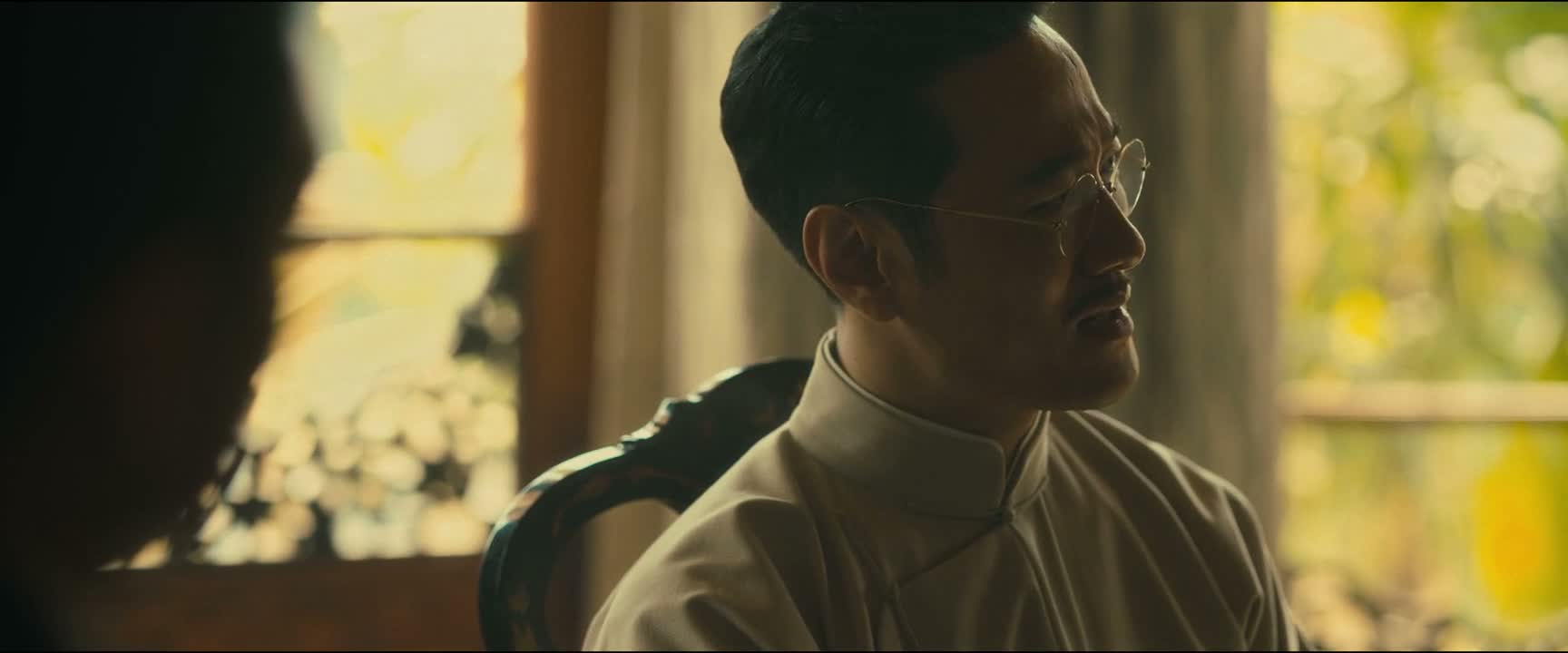
“Have we met somewhere before?”

“Have we met before?”

“Have we met somewhere before?”

“Have we met before?”