她先天性智力不太行 脑子不好使
“She has congenital intellectual issues, her mind isn't very sharp.”
THE DIALOGUE REEL
什么病
“What illness?”
她先天性智力 不太行 脑子不好使
“She has congenital intellectual issues, her mind isn't very sharp.”
那看医生了吗 看了 从小一直都看
“Has she seen a doctor? Yes. She's been seeing doctors since she was little.”
Direct spoken expression in this communicative setting.
In casual Chinese conversation, people often describe mental or neurological conditions using blunt colloquialisms like '脑子不好使' alongside semi-formal terms like '先天性'.
LEARNING CHUNKS & PARTICLES
congenital; innate
Used before medical or developmental terms to indicate conditions present from birth.
not very smart; brain not working properly
Colloquial and candid description of intellectual deficiency or slow mental processing.
VOCABULARY & EXPRESSIONS
Parallel Spoken Cinema Scenes (语义近邻切片)

“My dad has a birth defect,”

“She has some intellectual disabilities.”
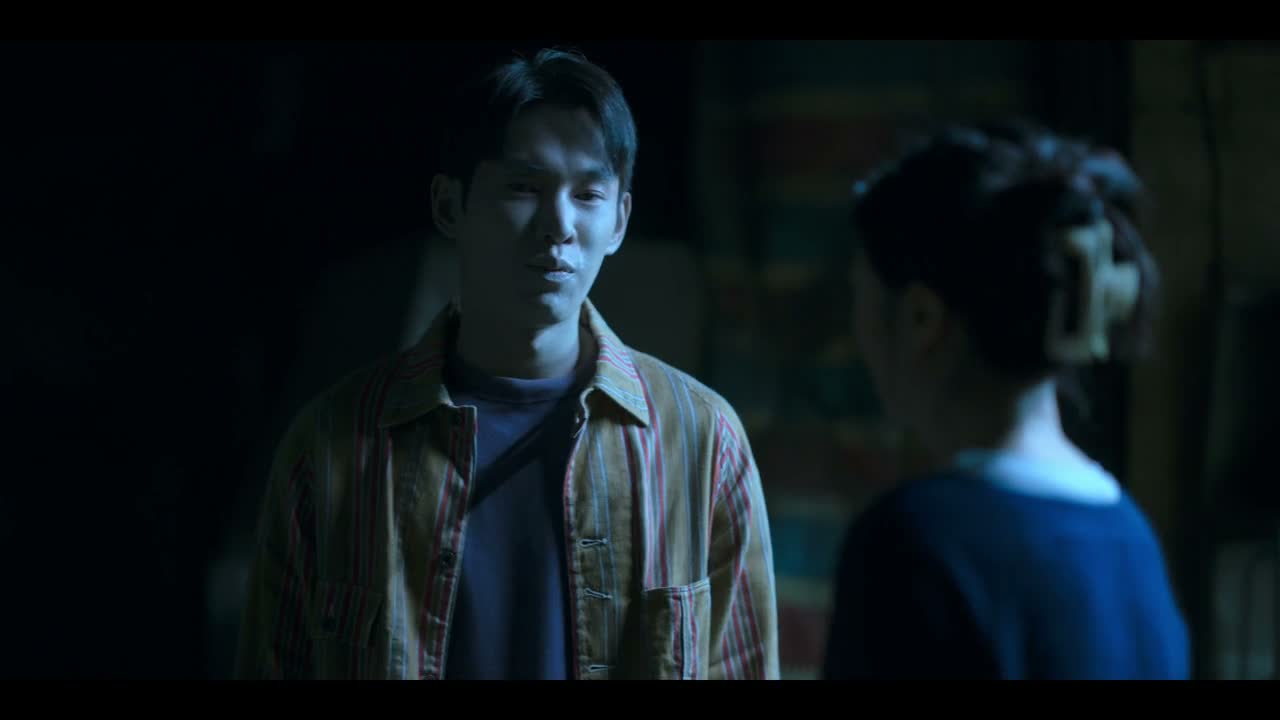
“Well, I've never been that clever.”

“She has congenital hearing disorder. She can't hear clearly.”

“His father has a birth defect.”

“is clumsy with words. He knows how to do the job, just not how to explain it.”