欢迎光临 请问是三位吗
“Welcome. Three people?”
THE DIALOGUE REEL
“All of you, enjoy. If you need anything else, please tell me. Sure.”
欢迎光临 请问 是三位吗
“Welcome. Three people?”
Direct spoken expression in this communicative setting.
In Chinese service culture, referring to guests using the honorific measure word '位' instead of '个' is a fundamental requirement of courtesy and professional respect.
LEARNING CHUNKS & PARTICLES
welcome
Standard polite greeting used by hospitality and retail staff across Chinese-speaking regions.
may I ask if it is...
A polite, deferential formula used in service contexts before asking a clarifying question.
three people / a party of three
The polite classifier '位' is standard in service hospitality instead of the common classifier '个'.
Forms a standard polite yes-no question to verify headcount.
VOCABULARY & EXPRESSIONS
Parallel Spoken Cinema Scenes (语义近邻切片)

“Hello. Welcome. How many guests?”
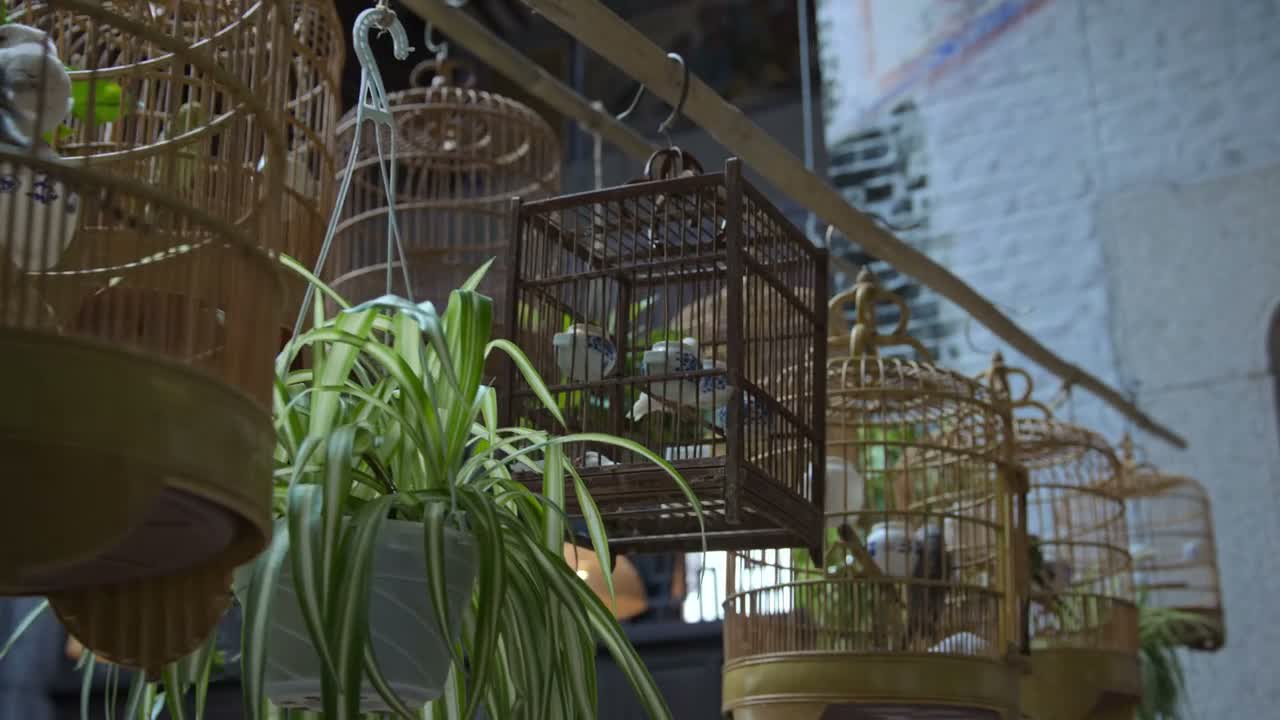
“Hello, how many of you? Three. Please come in.”

“[Fu Lu Tea House] Welcome. How many? Three. Please come in. Please.”