你该不会把陆寒他给 没有
“Did you kill Lu Han... No.”
THE DIALOGUE REEL
“He kept buzzing around. It was impossible to get rid of him.”
你该不会 把陆寒他给 没有
“Did you kill Lu Han... No.”
“I promised your sister-in-law three things. The second thing is no killing.”
“Don't even say it aloud; I know what you think I did, but I didn't kill him.”
In Chinese discourse, direct mention of death or murder is often taboo; speakers trail off or use truncated structures like '给...' to let the dreadful implication speak for itself.
LEARNING CHUNKS & PARTICLES
surely didn't; could it be that...
Used to express an anxious, dreaded suspicion that something terrible might have happened.
disposed of; took care of (euphemism)
Leaving out the final verb after '给' functions as a suspenseful euphemism for extreme violence or killing.
VOCABULARY & EXPRESSIONS
Parallel Spoken Cinema Scenes (语义近邻切片)

“Lu Han and Wang Li's disappearances are very likely related to this person.”
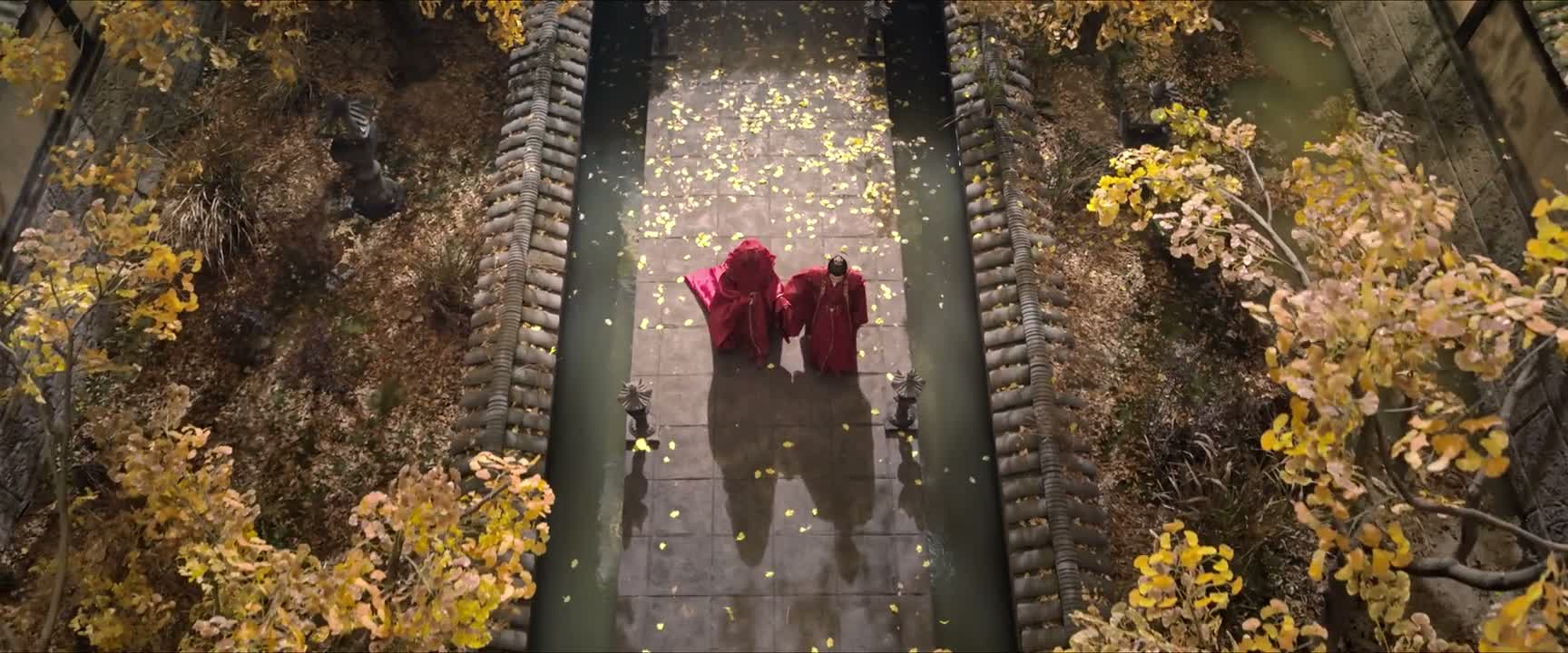
“Lord Lu Huai.”
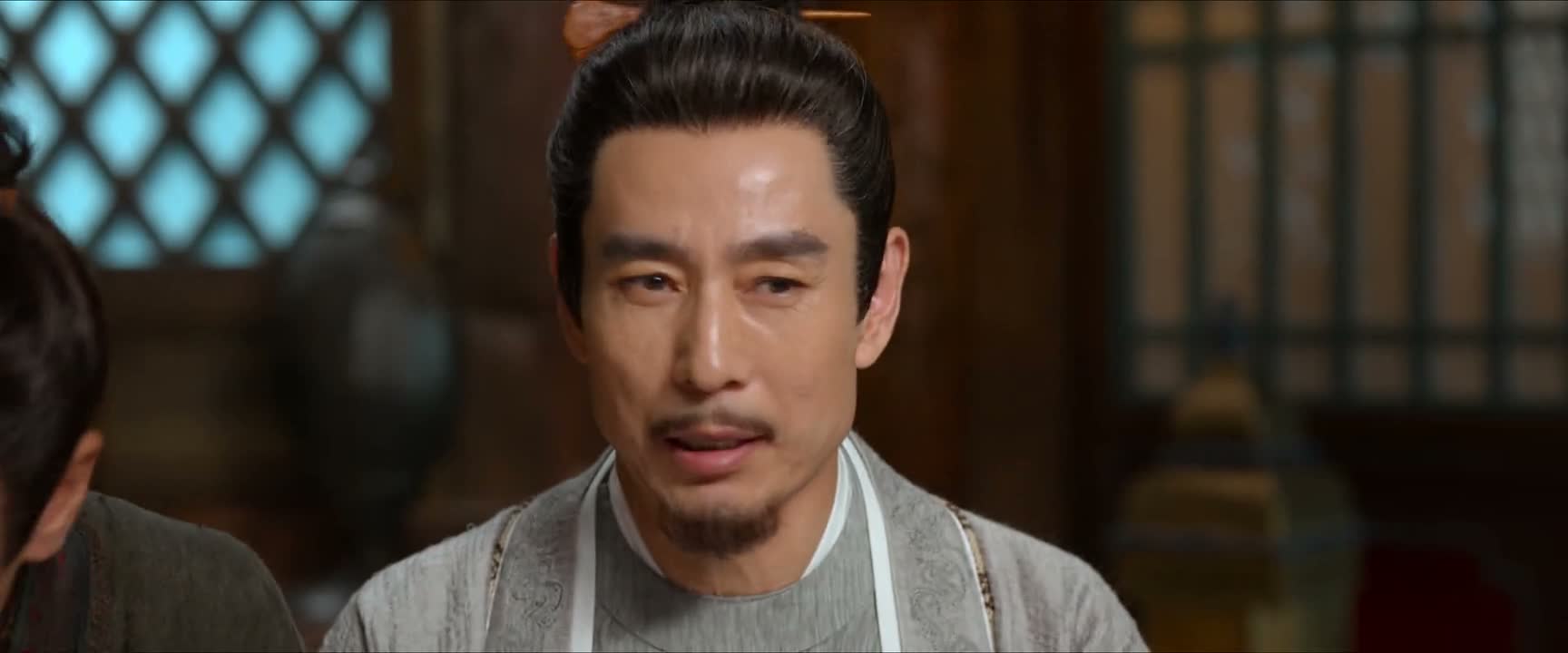
“along the journey, Master Lu, Immortal Xin.”
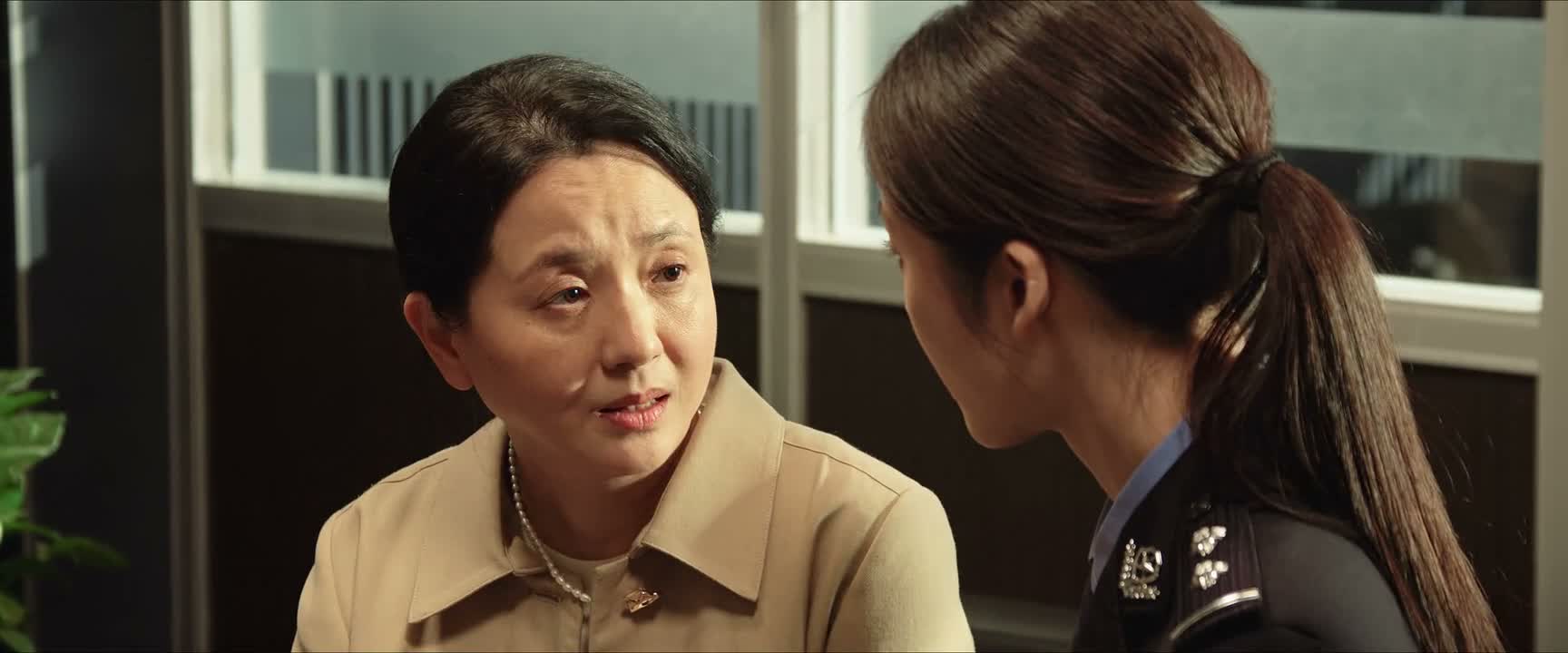
“you and Hansheng are not having a fight, are you?”
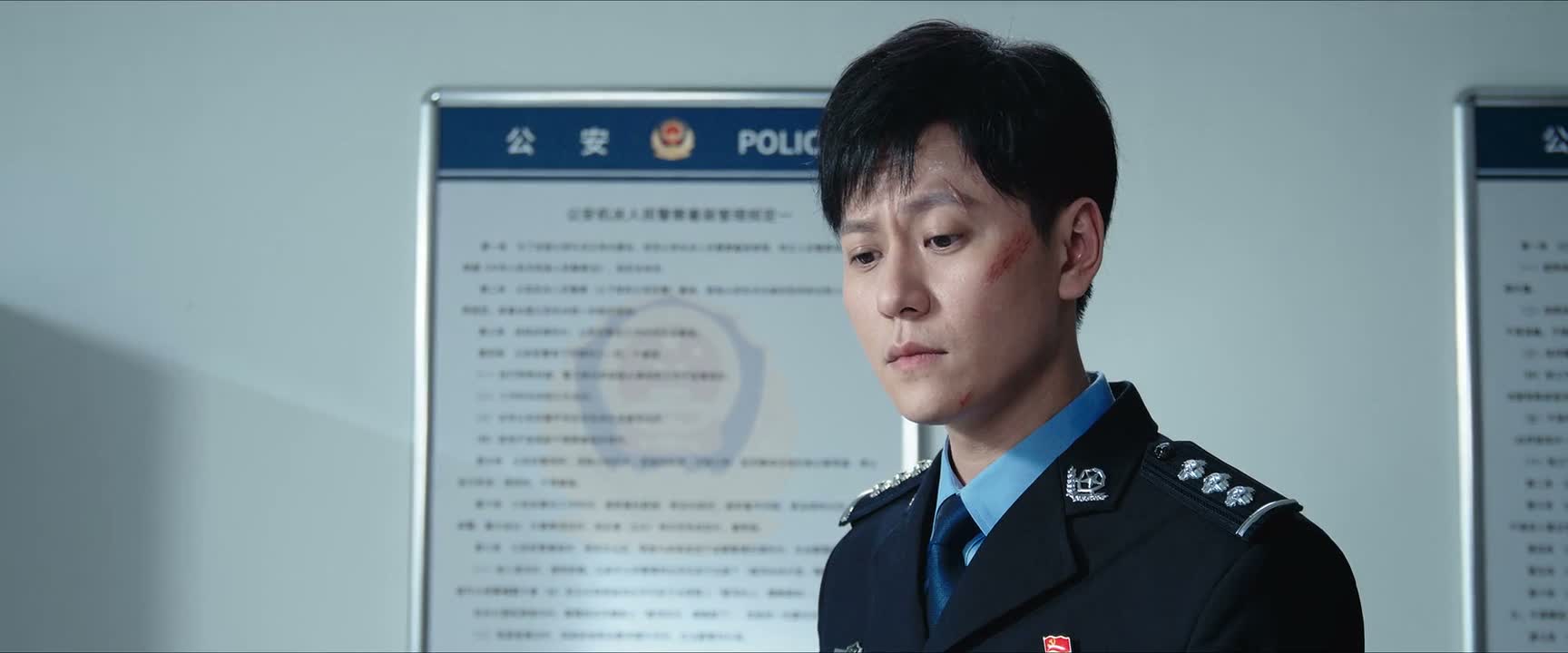
“You were kicked out by Jiang Hansheng?”

“You're not Lu Ming. Why are you protecting her?”