那你叫它一声 它能应你吗
“Then call it— see if it answers.”
THE DIALOGUE REEL
“The house is mine. Why wouldn't they recognize me as the landlord?”
那你叫它一声 它 能 应你 吗
“Then call it— see if it answers.”
“Shuyuan. You're just being a bit childish. That's not how you say things.”
“You claiming this house belongs to you is utter nonsense; just saying it doesn't make it yours.”
Using inanimate objects' inability to respond ('call it and see if it answers') is a classic Chinese rhetorical device to expose baseless claims of ownership or affiliation.
LEARNING CHUNKS & PARTICLES
call out to it once
Used idiomatically here to propose a ridiculous test of ownership or familiarity.
respond to you / answer you
Commonly used in spoken Chinese to mean replying when called by name.
Forms a rhetorical question that reinforces mockery and disbelief.
VOCABULARY & EXPRESSIONS
Parallel Spoken Cinema Scenes (语义近邻切片)

“Yeah. That's pretty loud.”
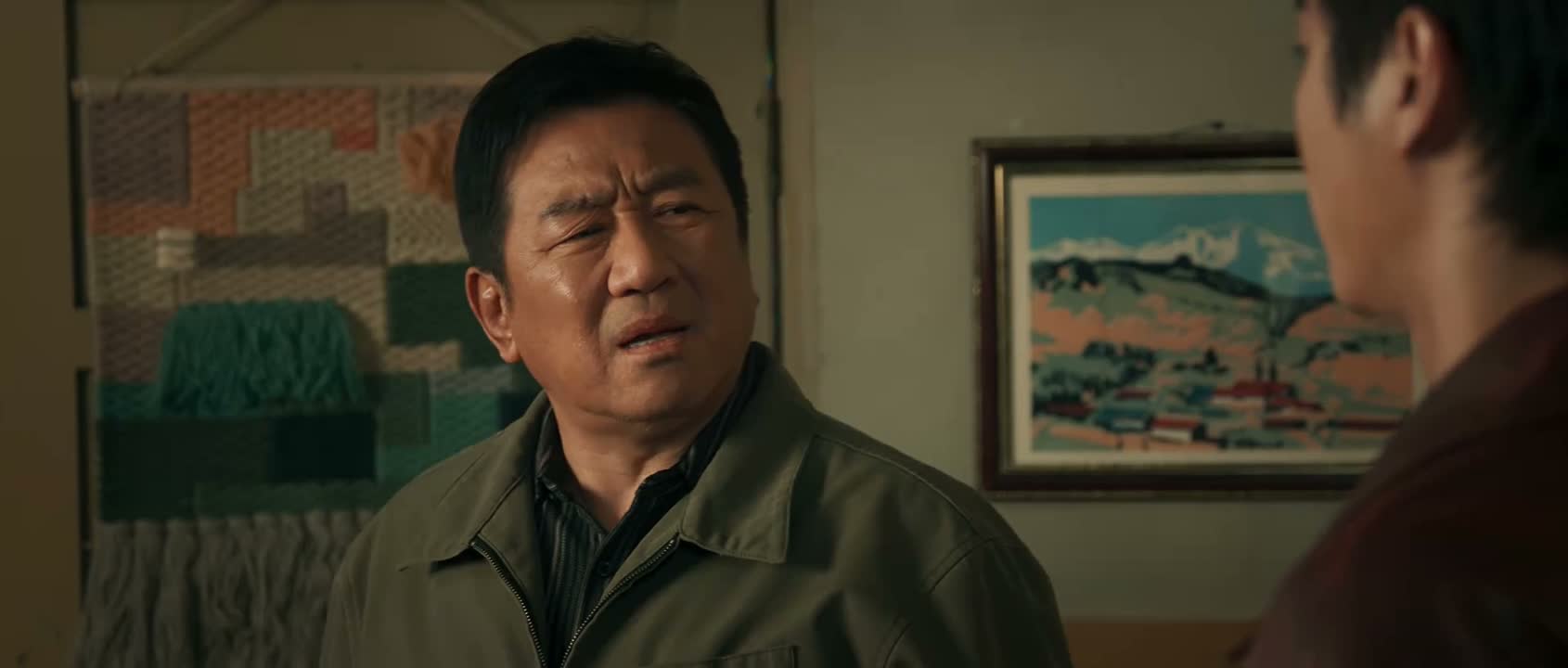
“Tell me before you take things.”

“You could have at least told us.”

“- Why didn't you tell me? - I tried.”

“then I need to formally say to you:”
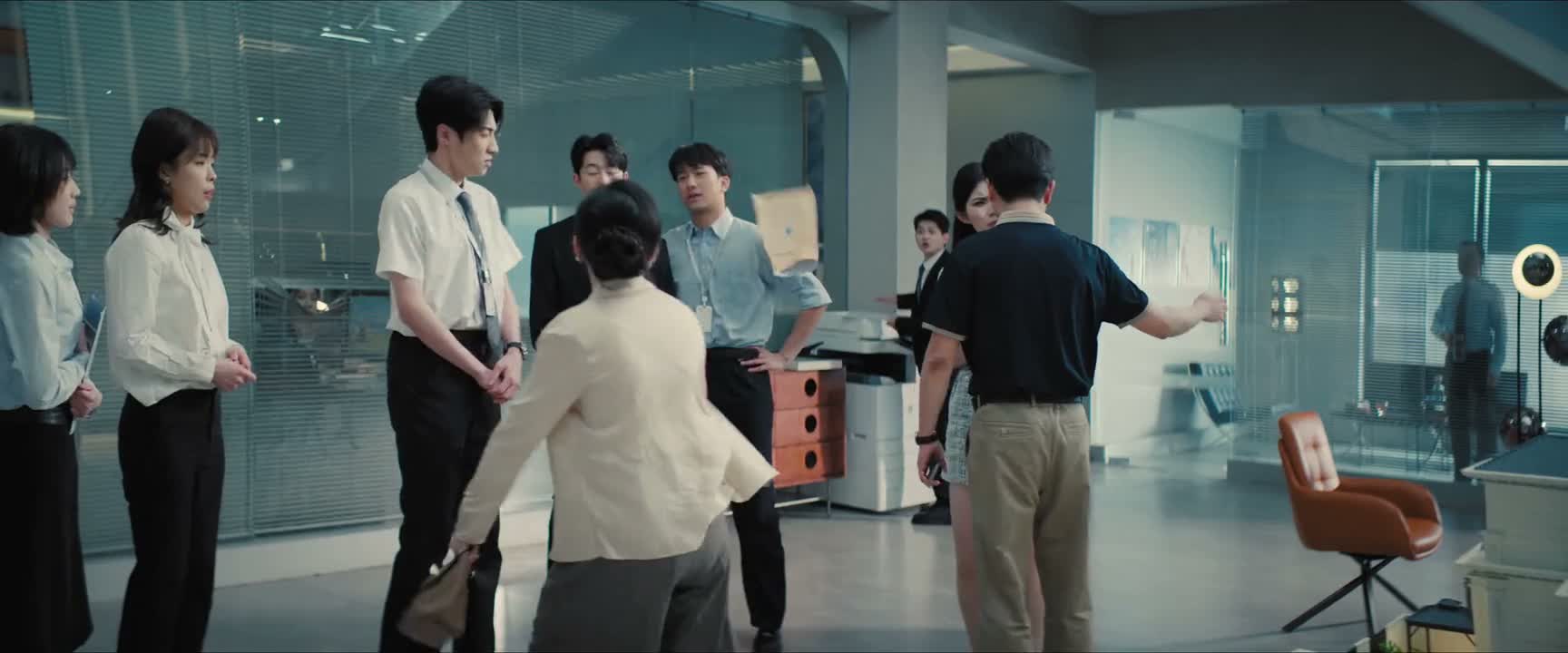
“Did I ask you?”