她认了你这个儿媳妇了吗
“that she has accepted you as her daughter-in-law?”
THE DIALOGUE REEL
这不也正好能说明
“Doesn't that prove”
她 认了 你 这个 儿媳妇 了吗
“that she has accepted you as her daughter-in-law?”
“Face the truth—she hasn't actually accepted you into this family yet.”
In Chinese tradition, a relationship is not socially or domestically secure until the parents, particularly the mother-in-law, formally 'recognize' (认) the prospective partner.
LEARNING CHUNKS & PARTICLES
officially accepted you as / recognized you as
Commonly used in domestic contexts to denote formal family or emotional recognition of a relationship.
Marks the completed change of status or realization of acceptance.
Forms a straightforward yes-no question with a doubtful or probing undertone.
VOCABULARY & EXPRESSIONS
Parallel Spoken Cinema Scenes (语义近邻切片)

“I plan to give it to my daughter-in-law”

“what girl would dare to be his daughter-in-law?”

“The groom is here to fetch the bride!”

“you'll be my daughter-in-law.”

“I agree as well. Good.”
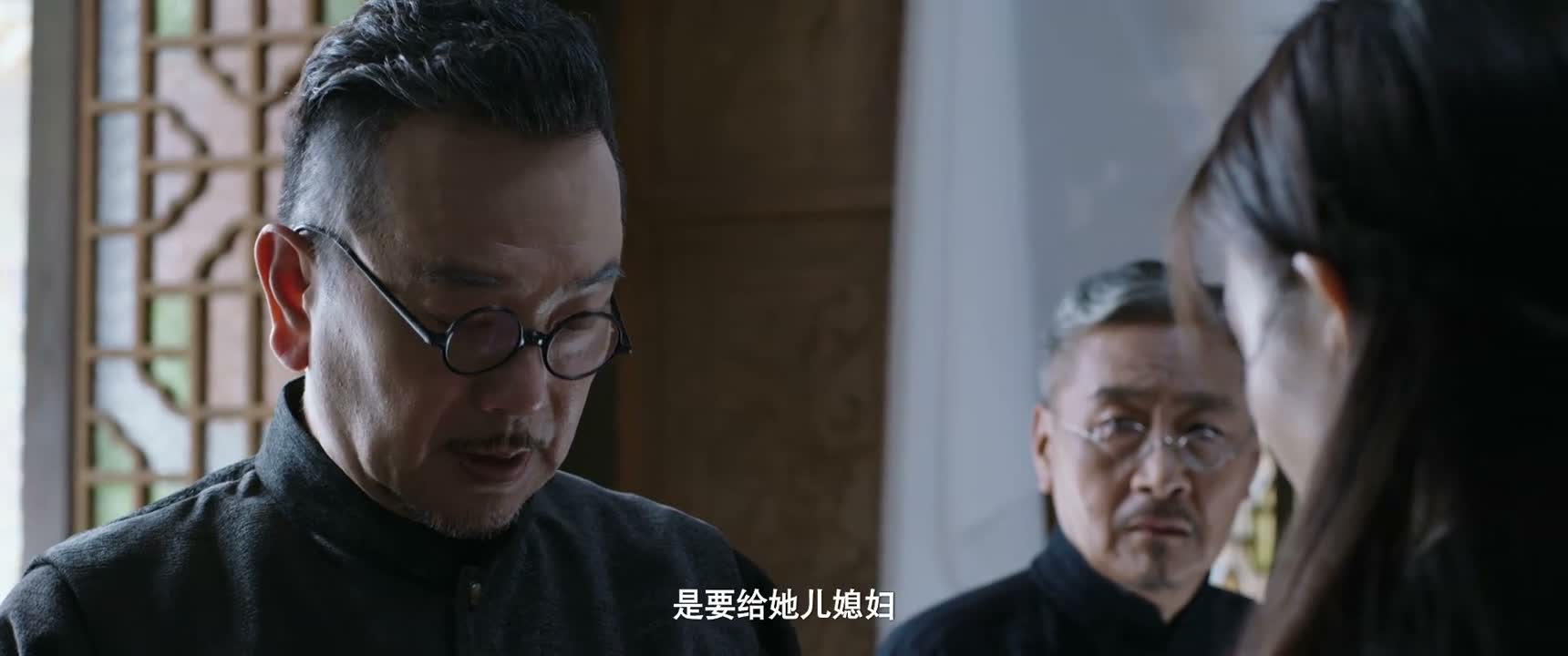
“It is meant for her daughter-in-law.”