许主任 我吃好了 你们慢慢吃
“Ms. Xu, I'm done. You guys can enjoy your meal.”
THE DIALOGUE REEL
行啊
“Sure.”
许 主任 我吃好了 你们慢慢吃
“Ms. Xu, I'm done. You guys can enjoy your meal.”
这些吃吃喝喝的 您应该也用不上 我就拿走了
“I suppose you won't be using all the things I brought. I'll take them with me as well.”
“I'm stepping away now so I can grab the remaining food and drinks.”
Chinese table manners strictly dictate that anyone leaving before others must politely inform the table and tell companions to take their time eating.
LEARNING CHUNKS & PARTICLES
have finished eating; full
The standard polite social phrase used to announce that one is done eating at a shared dining table.
take your time eating; enjoy your meal
Essential dining etiquette spoken by someone leaving the table to those who are still eating.
Indicates completion of the action of eating.
VOCABULARY & EXPRESSIONS
Parallel Spoken Cinema Scenes (语义近邻切片)
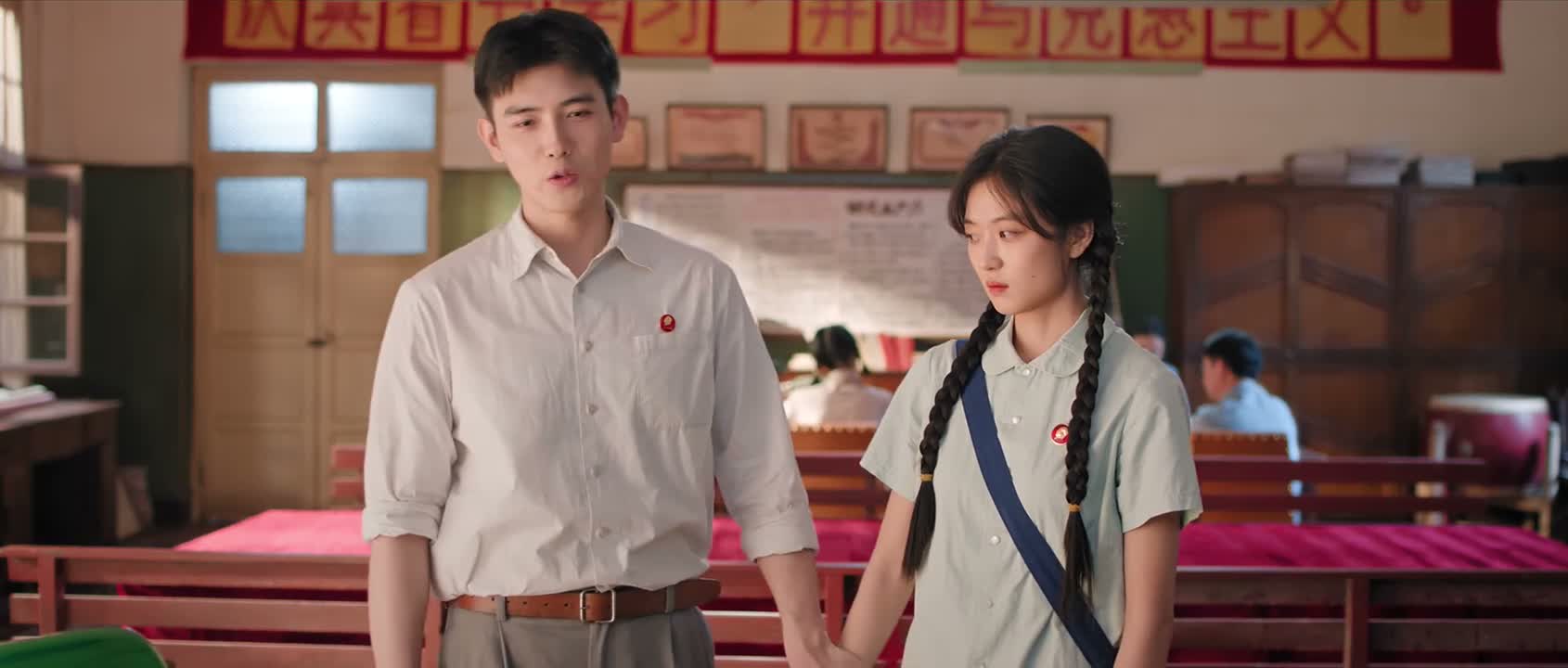
“Ms. Xu, sorry to trouble you.”
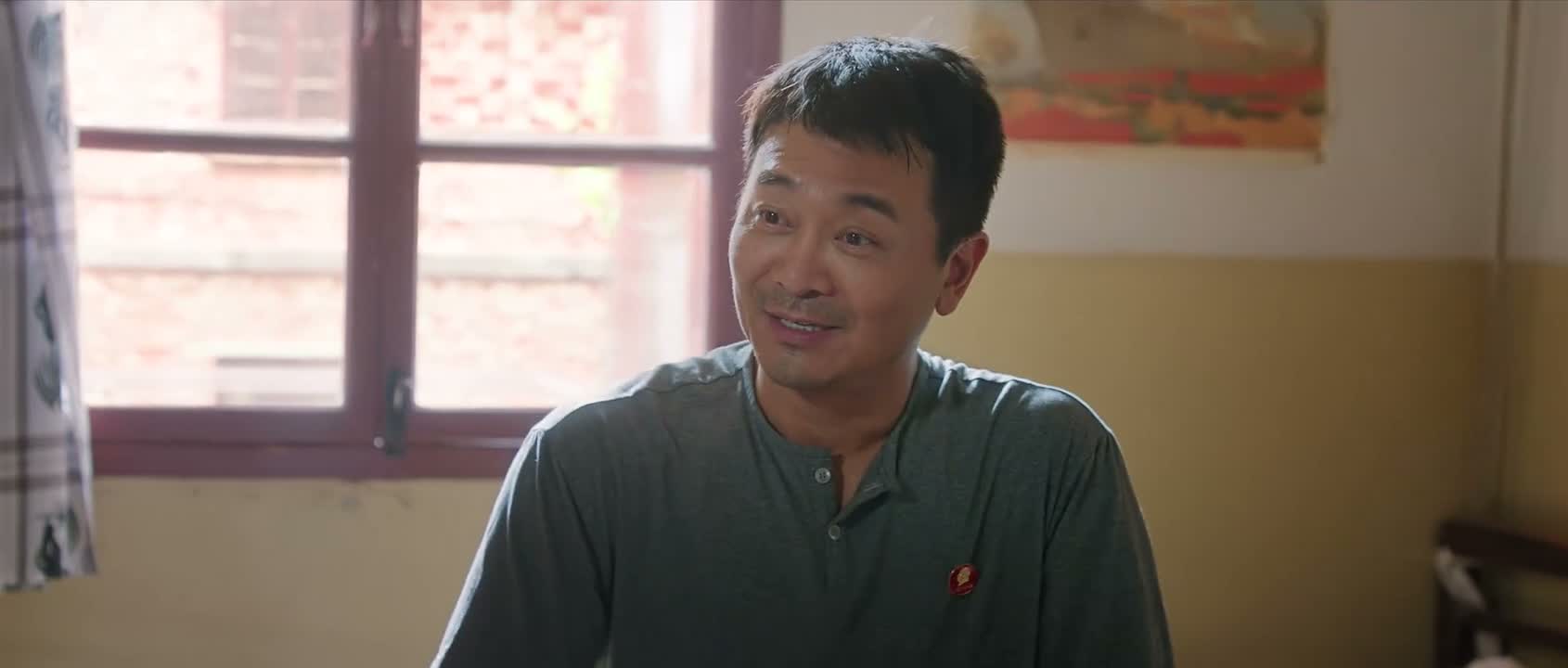
“How has Ms. Xu been doing lately?”
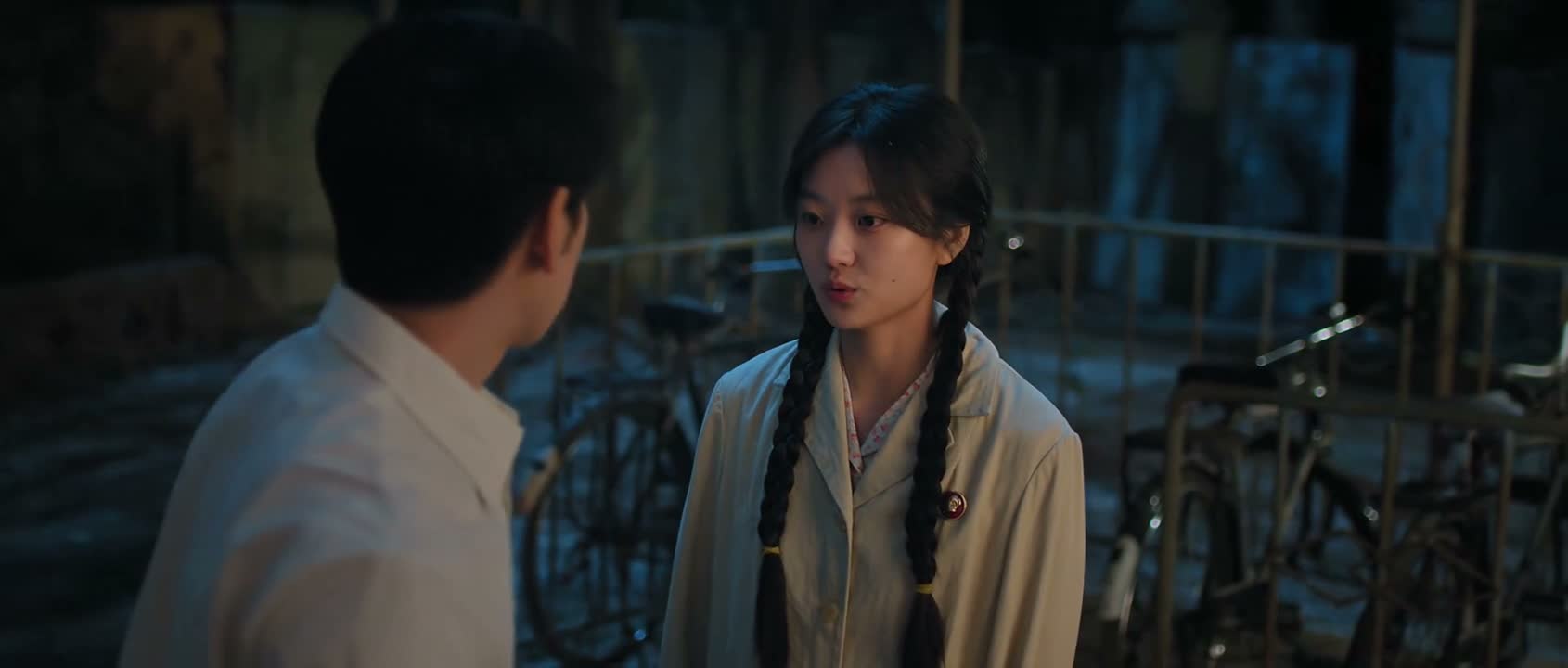
“think about our relationship?”
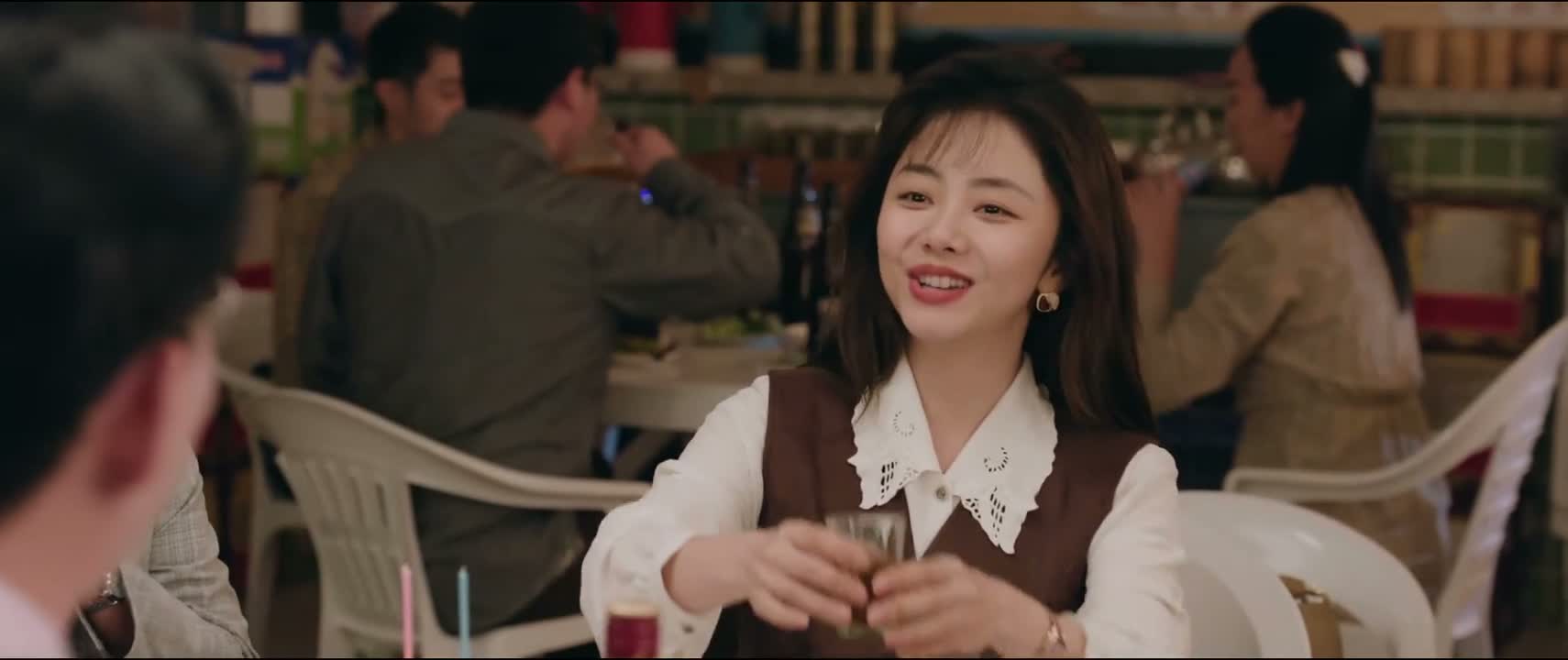
“Mr. Xu, a toast to you.”

“Thank you, Ms. Xu. You're welcome.”

“Morning, Ms. Xu. - Morning. - Morning, Ms. Xu. Morning.”