你至今对我们家 退婚之事耿耿于怀
“you still resent my family for breaking off our engagement.”
THE DIALOGUE REEL
秦九 我知道
“Qin Wan, I know”
你 至今 对我们家 退婚 之事 耿耿于怀
“you still resent my family for breaking off our engagement.”
“But pestering me like this won't change my mind.”
“You are just acting out because you cannot get over the fact that we dumped you.”
In traditional Chinese society, breaking off an engagement ('tuihun') was a grave public humiliation for the rejected family, often generating long-lasting grudges and family feuds.
LEARNING CHUNKS & PARTICLES
up to this day; to this day
A formal temporal adverb highlighting that a past state still persists in the present.
break off an engagement
Refers specifically to dissolving a formal betrothal contract, bearing significant social stigma in traditional contexts.
brooding over something; harboring a grudge
An idiom (chengyu) describing an inability to let go of an emotional wound, slight, or grievance.
VOCABULARY & EXPRESSIONS
Parallel Spoken Cinema Scenes (语义近邻切片)

“You can't blame us for calling off the engagement.”
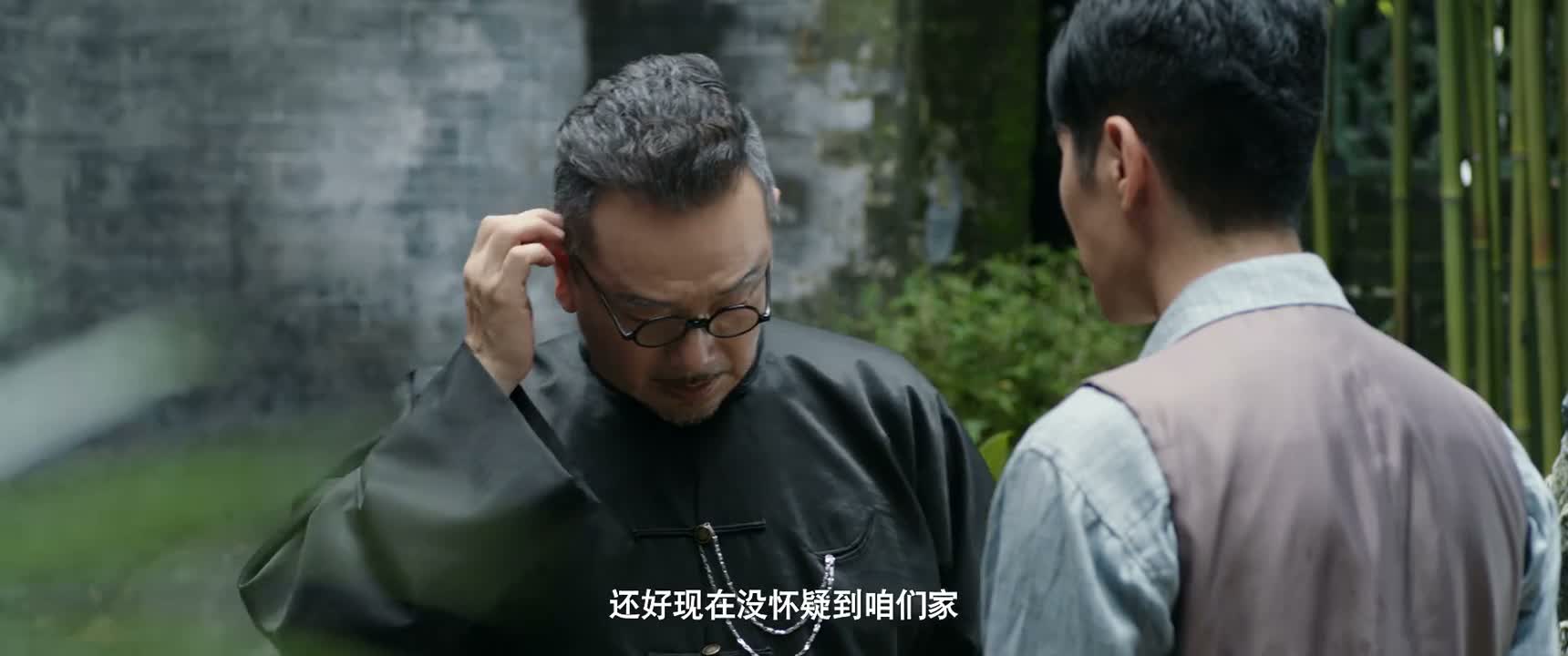
“Luckily they don't suspect us yet”

“to discuss the annulment. Why are you bringing up another thing?”
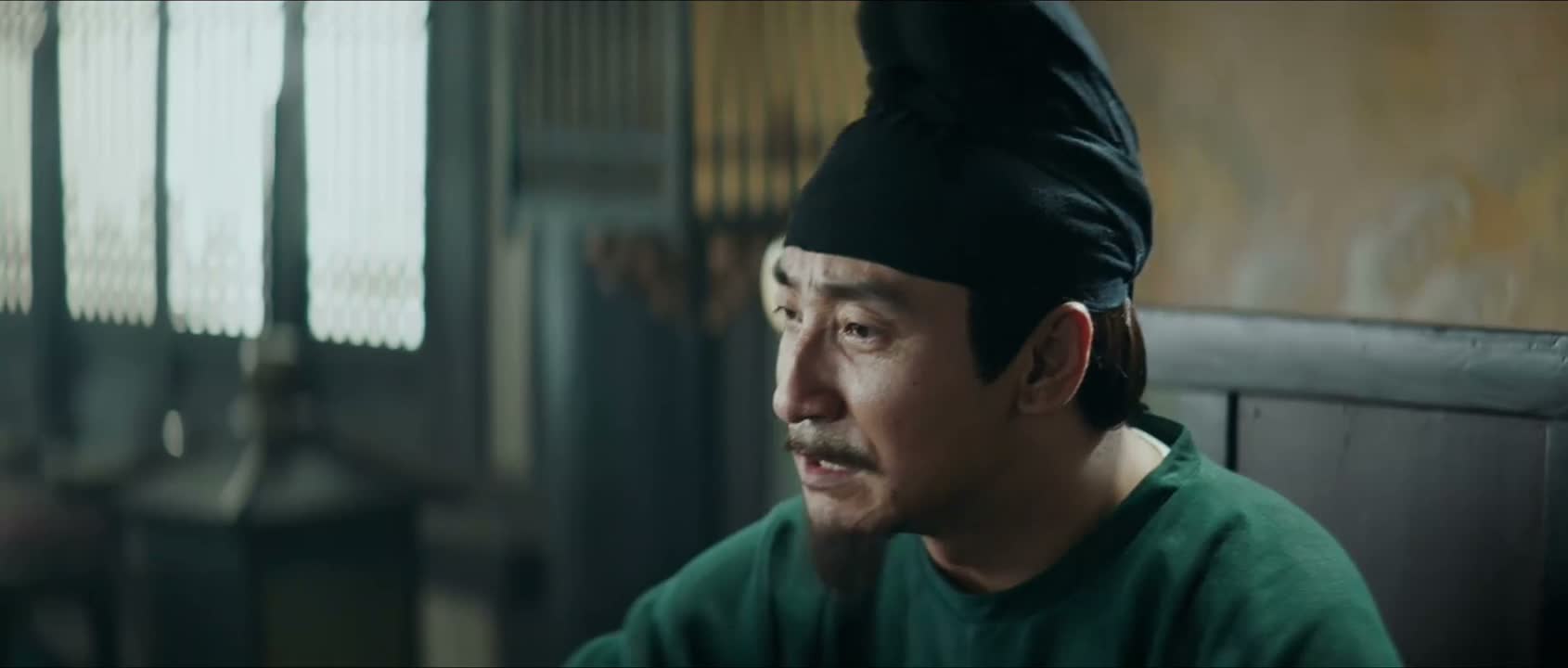
“Wasn't the marriage already called off?”

“you had broken off the previous engagement.”

“and ever since you got married, there hasn't been a sound from your place.”