我看了再跟你说 有区别吗
“After I read it, I'll tell you. Is there a difference?”
THE DIALOGUE REEL
“You can read. I don't think it is proper.”
我看 了再跟 你说 有区别吗
“After I read it, I'll tell you. Is there a difference?”
你不用给我答案了 我看到你亲李尖尖了
“You don't need to give me an answer. I saw you kissing Li Jianjian.”
“Stop overthinking it; there's no real difference whether you read it or I tell you.”
In Chinese close personal relationships, partners or close friends often minimize personal boundaries by treating individual secrets as shared property.
LEARNING CHUNKS & PARTICLES
Is there any difference? / Does it make a difference?
A common rhetorical question used to reject someone's distinction between two options as trivial or pointless.
tell you afterward / discuss with you later
Used when postponing a discussion until a preliminary action is finished.
Marks a rhetorical question to emphasize that no significant difference exists.
VOCABULARY & EXPRESSIONS
Parallel Spoken Cinema Scenes (语义近邻切片)

“Just tell me, did you read it or not?”

“Didn't I tell you before?”

“Once you're done reading, I'll talk to you again. I'm off.”

“Let me check again.”
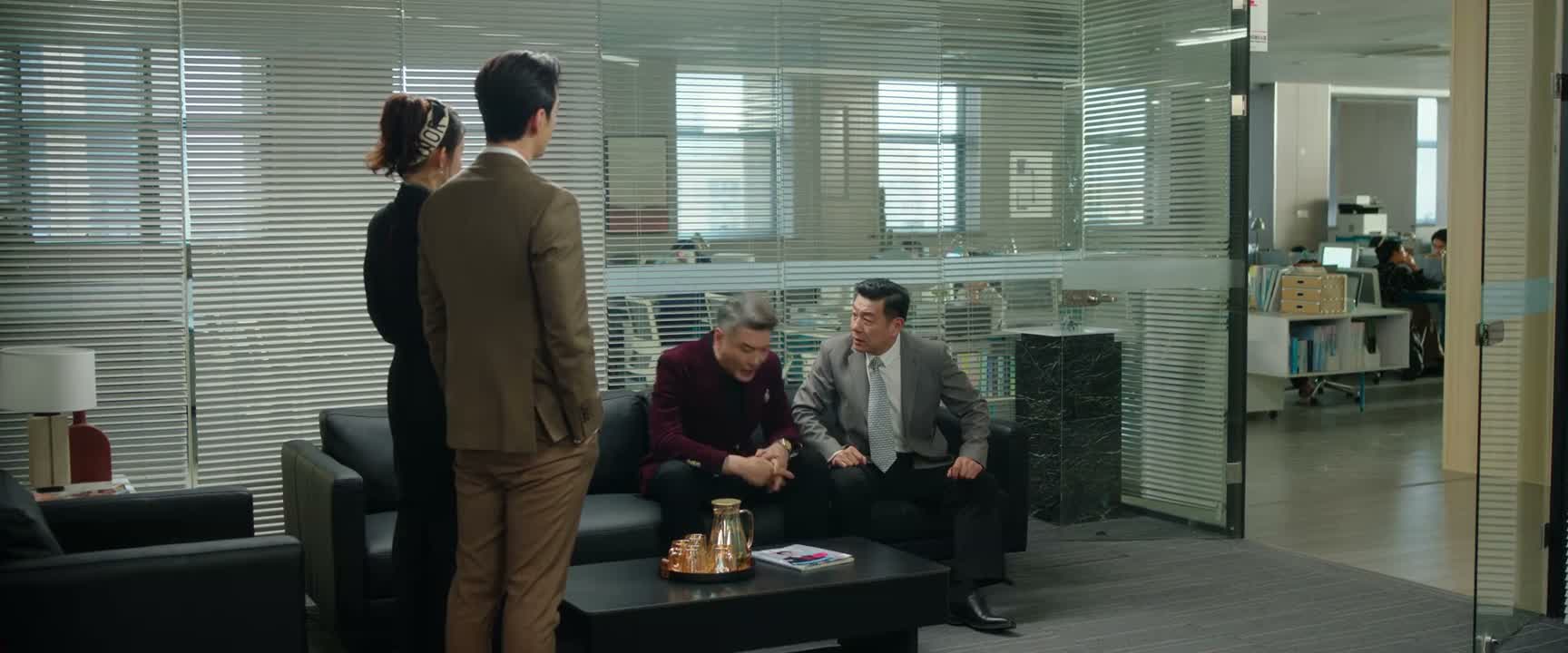
“This is utterly irrelevant.”

“There's no difference between us.”