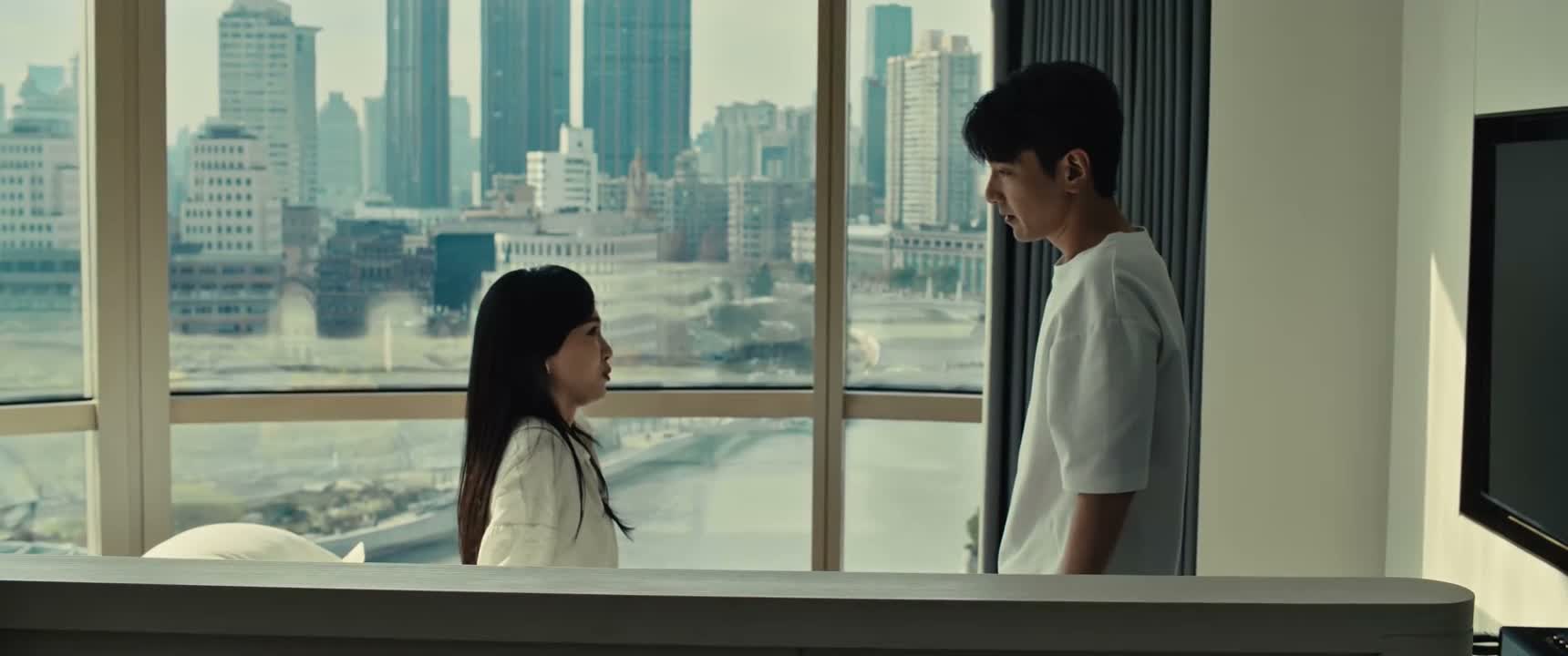
有什么不方便的 不是 我看看孩子就走
“Why not? Well, I'll just see the kid and leave.”
THE DIALOGUE REEL
不太方便
“really a good time.”
有什么不方便的 不是 我看看 孩子就走
“Why not? Well, I'll just see the kid and leave.”
不是家里不方便 我 因为约好了 我上去接了孩子
“It's not that it's inconvenient at home. It's just... we have an appointment. I'll go up and get her,”
“Stop making up excuses to keep me away; I just want to see my kid for a minute.”
Saying '不太方便' (not very convenient) is a standard polite Chinese refusal; questioning it directly signals boundary tension or emotional distress.
LEARNING CHUNKS & PARTICLES
What's inconvenient about that?
A rhetorical question used to directly push back against someone using 'inconvenience' as an evasive excuse.
leave right after...
Used to minimize an imposition, reassuring the listener that the visit will be brief.
VOCABULARY & EXPRESSIONS
Parallel Spoken Cinema Scenes (语义近邻切片)

“That might... not be appropriate.”

“I'm afraid I'm tied up here.”

“It really isn't convenient.”

“I couldn't make it.”
“it'll be very inconvenient for me. Yes, of course.”
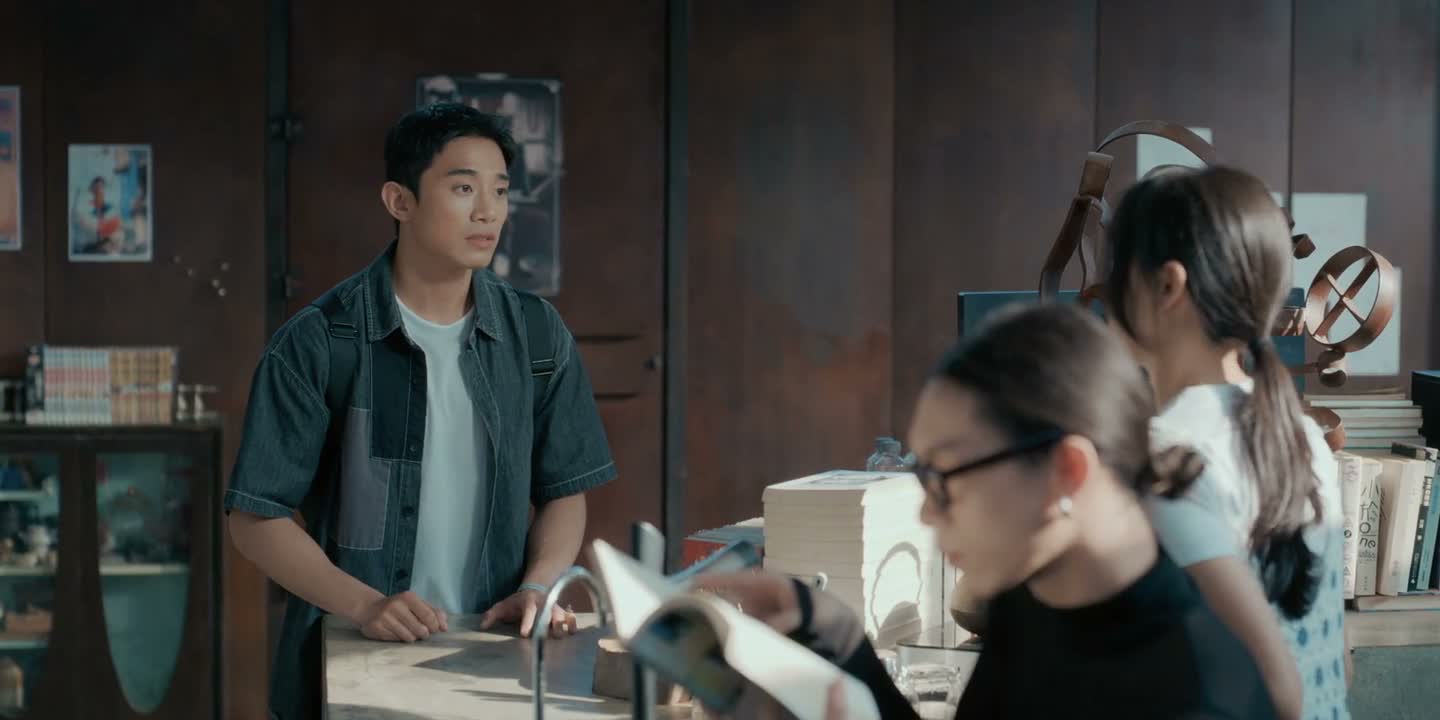
“I don't think I can help.”