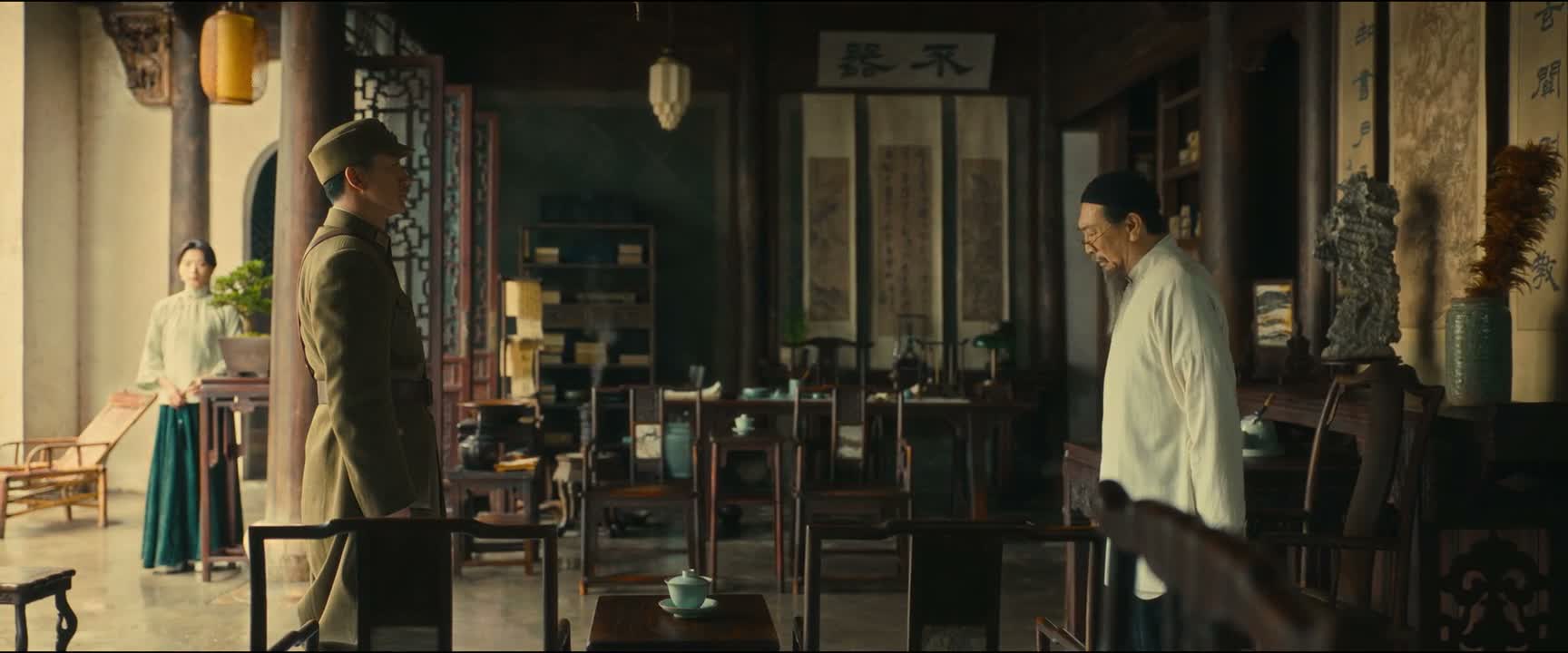
那蒋介石不是总强调吗 抗日是政府的事
“Doesn't Chiang Kai-shek always emphasize that resisting Japan is the government's business?”
THE DIALOGUE REEL
所以他们需要一个 长期的有耐心的思想教育
“So they need a long-term, patient ideological education.”
那蒋介石 不是总强调 吗 抗日 是 政府 的 事
“Doesn't Chiang Kai-shek always emphasize that resisting Japan is the government's business?”
你们老百姓 只要出出钱 出出粮就行
“You commoners just need to provide money and grain.”
“Look at what the government tells them—no wonder the common people feel detached from the war effort.”
In Chinese historical cinema about the Second Sino-Japanese War, a common theme is contrasting the Nationalist government's state-centric approach to warfare with the Communist strategy of 'People's War' (mobilizing the grassroots peasantry).
LEARNING CHUNKS & PARTICLES
isn't it always the case that... / doesn't someone always...
Use this rhetorical frame to remind the listener of a well-known habit or repeated statement, often to support a counterargument or express mild criticism.
is the business/responsibility of...
Used to draw boundaries around responsibility, indicating who is in charge and who should stay out of it.
Paired with '不是' (is it not), it forms a rhetorical question that expects agreement and adds a pointed, critical edge.
VOCABULARY & EXPRESSIONS
Parallel Spoken Cinema Scenes (语义近邻切片)
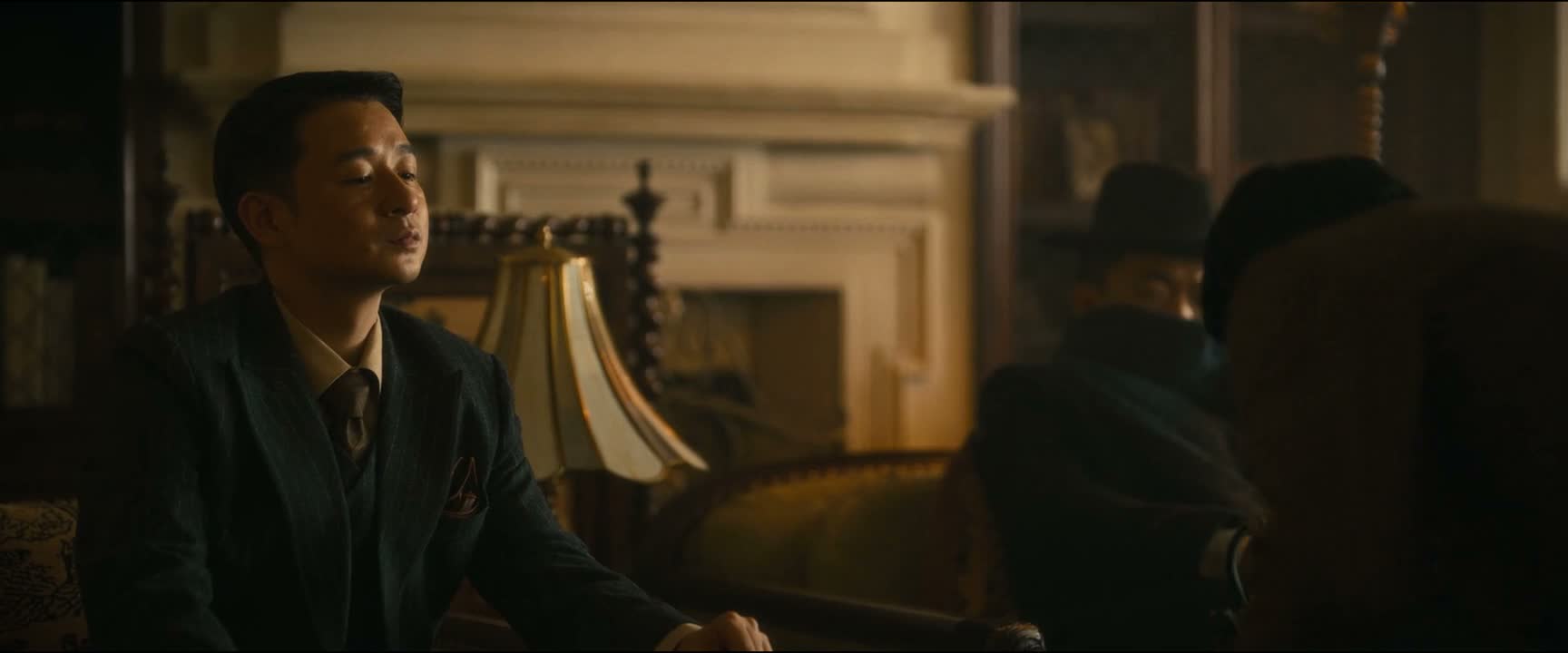
“”

“If fighting the war can truly save the country,”
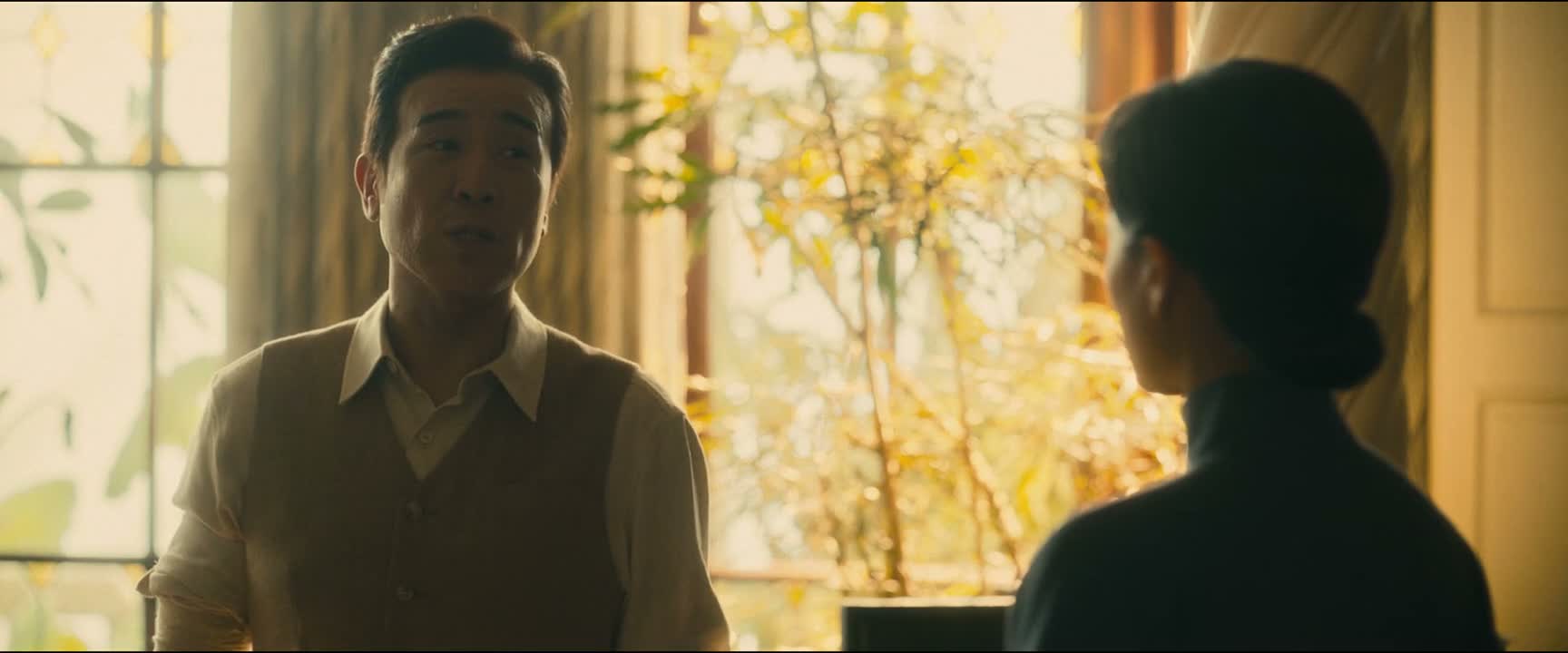
“After all, it is high-profile anti-Japanese activity.”
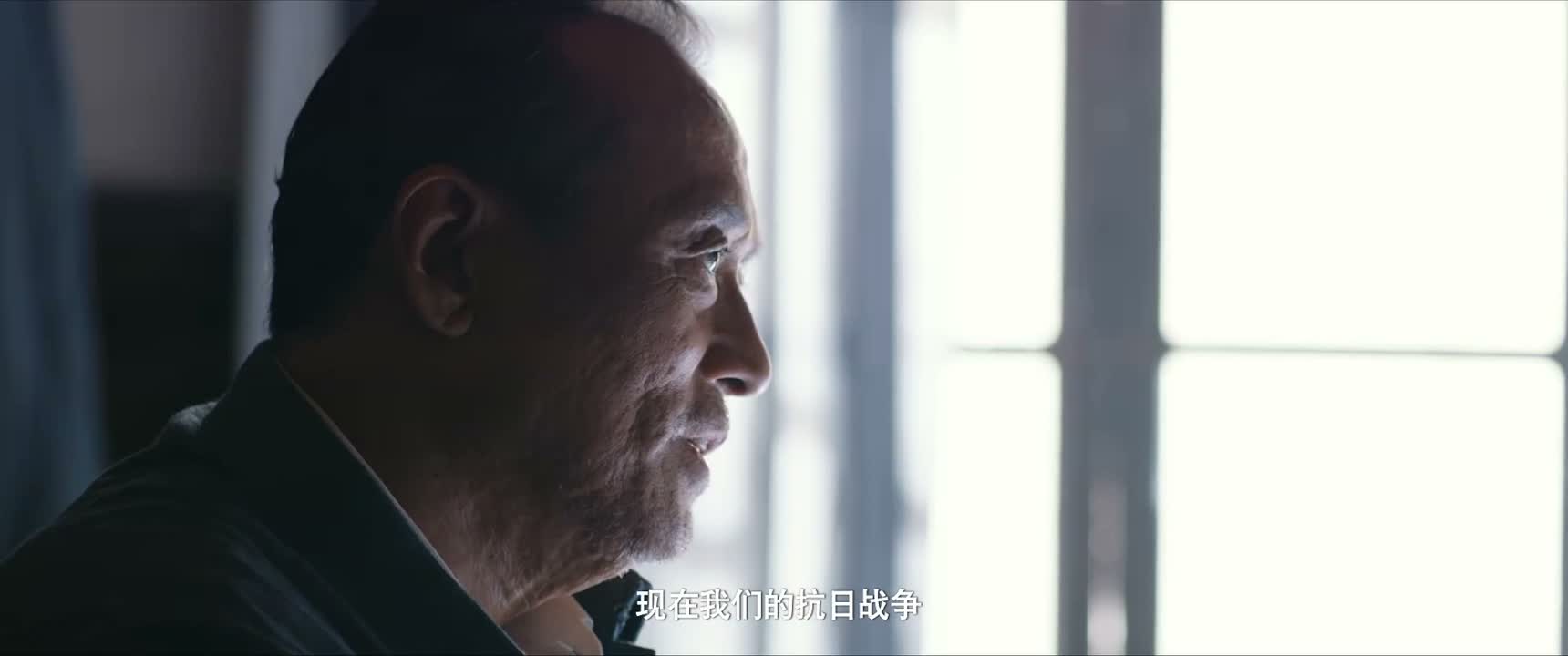
“Now, our War of Resistance”
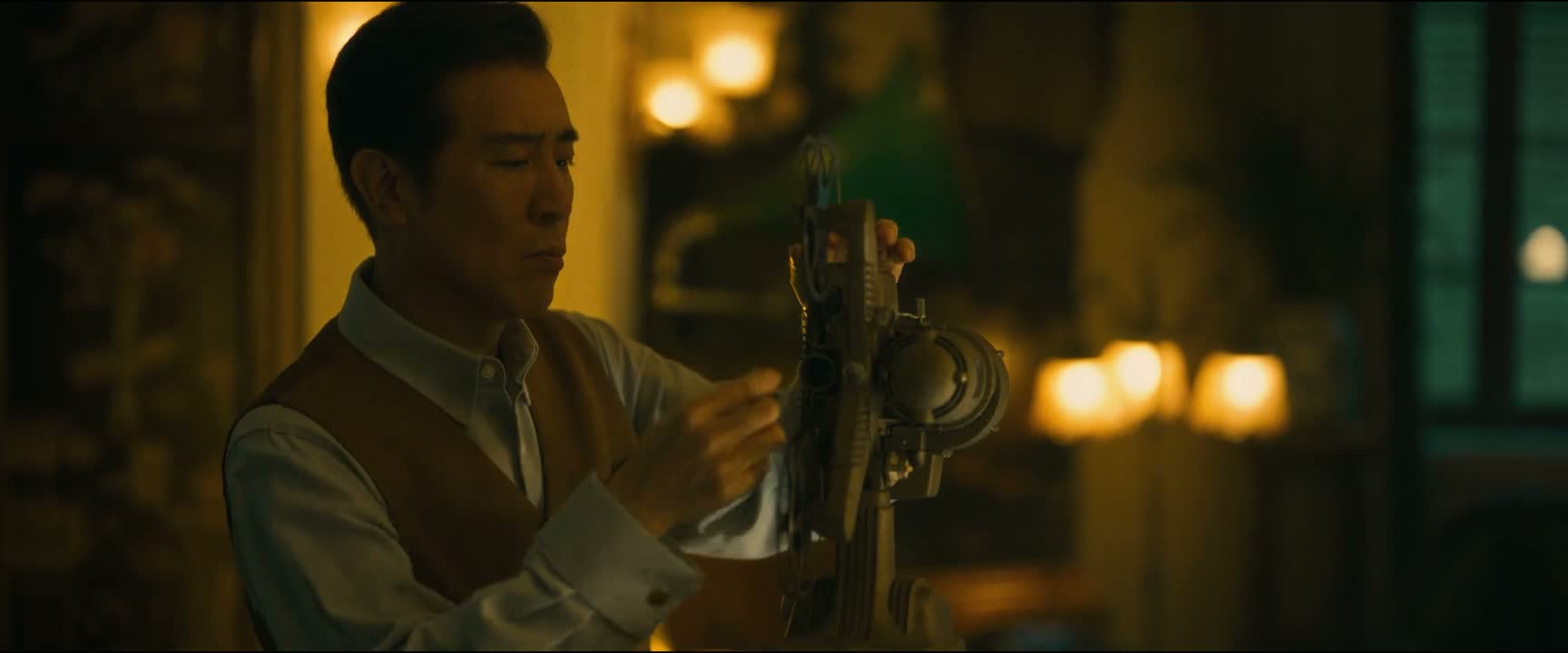
“Fighting the war can save the country, and so can peace.”
“The Nationalist Government, even at this stage,”