你先画地为牢把自己困住了
“you will have trapped yourself in your own prison.”
THE DIALOGUE REEL
案子没查出来
“If this keeps up, before the truth is uncovered,”
你先 画地为牢 把 自己 困住了
“you will have trapped yourself in your own prison.”
我们应该先跳出来
“We should step back for a moment,”
Direct spoken expression in this communicative setting.
The idiom '画地为牢' stems from an ancient belief that virtuous subjects would not step out of a circle drawn in the dirt as punishment; modern speakers use it to criticize self-imposed conceptual traps.
LEARNING CHUNKS & PARTICLES
to restrict oneself; to set self-imposed boundaries
A classic idiom used metaphorically when someone limits their own thinking, actions, or possibilities.
to trap oneself; to corner oneself
Useful for pointing out when someone's own anxiety, assumptions, or habits create an unnecessary impasse.
Marks the completed state of becoming mentally constrained.
VOCABULARY & EXPRESSIONS
Parallel Spoken Cinema Scenes (语义近邻切片)
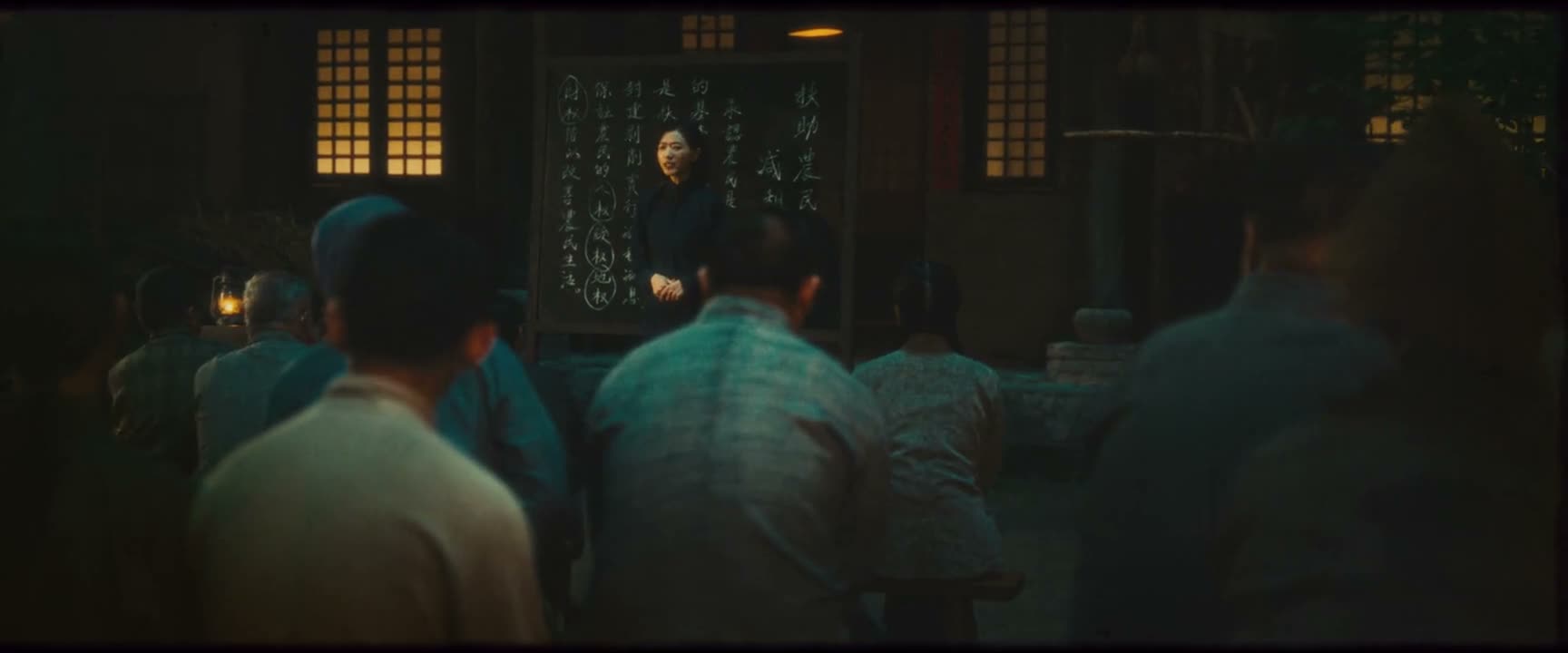
“”
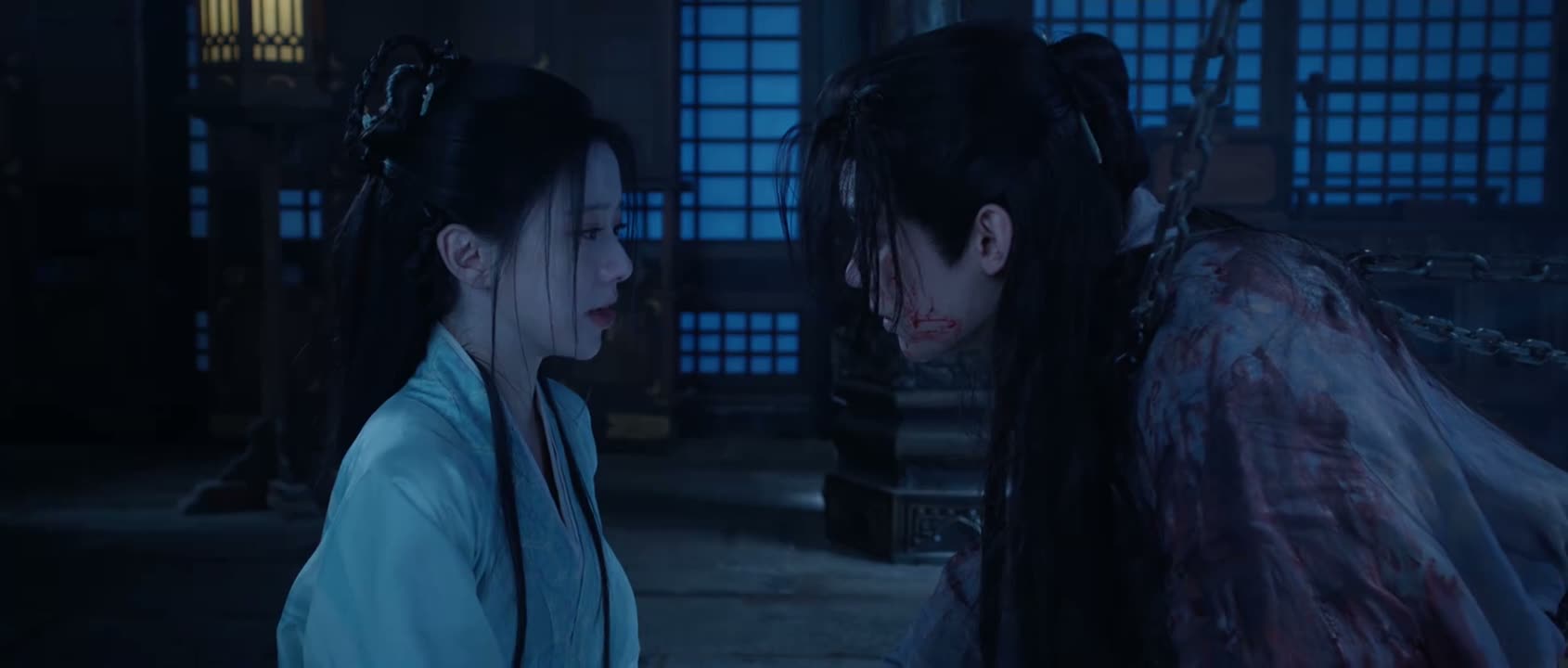
“they will imprison you in the dungeon.”

“You cast a whole net just to catch me?”

“this was a trap you carefully laid for me.”

“Can you draw another one in front of me?”
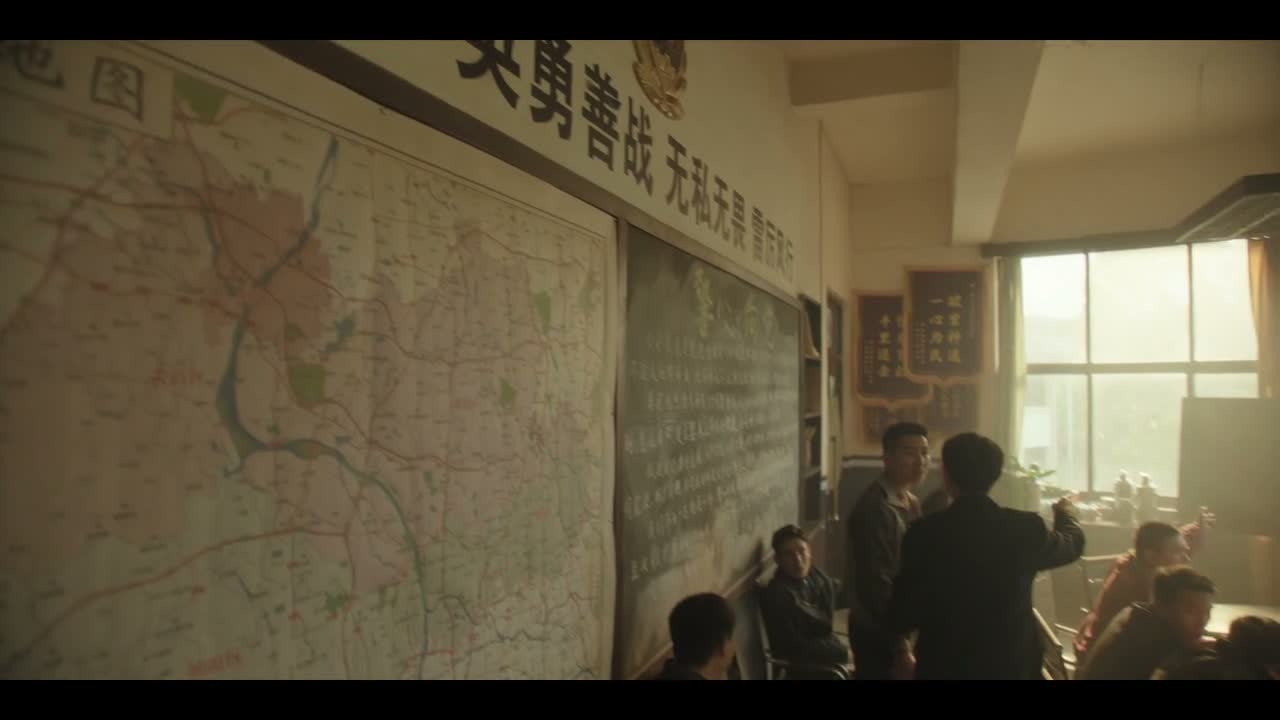
“If we lock it down, we can take them all in one sweep. There are so few of us.”