倒和我哥的差不多 你还识字
“are similar to my brother's. You can read?”
THE DIALOGUE REEL
你看的书
“The books you read”
倒和我哥的 差不多 你 还识字
“are similar to my brother's. You can read?”
“I knew you weren't a beggar.”
“You definitely aren't an ordinary beggar if you're reading the same books as my brother.”
In historical Chinese society, literacy was largely restricted to scholars and wealthy families, making reading ability an immediate giveaway of elite upbringing.
LEARNING CHUNKS & PARTICLES
almost the same; similar
An extremely frequent expression used to indicate resemblance or approximate equality.
literate; able to read and write
Used to refer to basic literacy or knowing how to read characters, particularly in historical contexts.
VOCABULARY & EXPRESSIONS
Parallel Spoken Cinema Scenes (语义近邻切片)

“You and Bai Chun are nothing alike.”

“My elder brother and second brother are different from someone else.”

“This is my eldest brother. This is my second brother.”
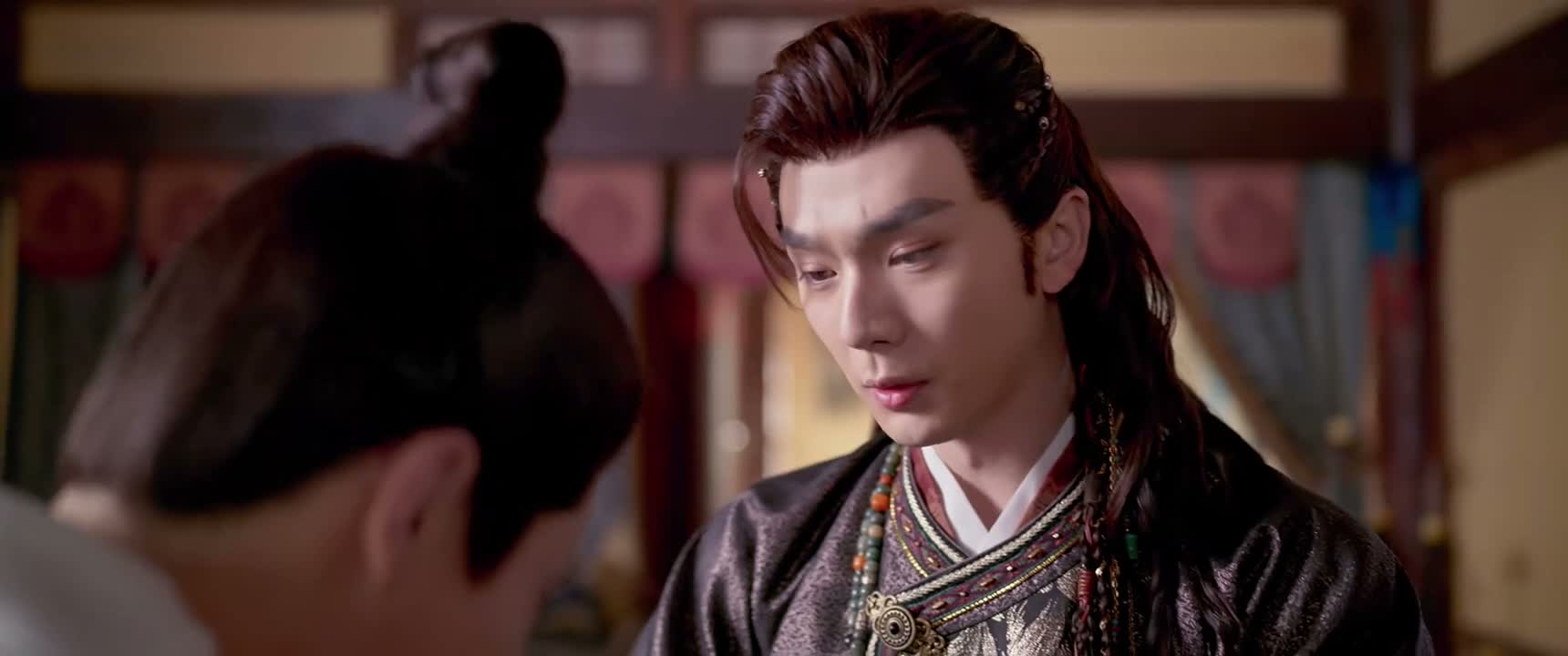
“You know my relationship with my brother.”

“If you and my brother are both jailed,”
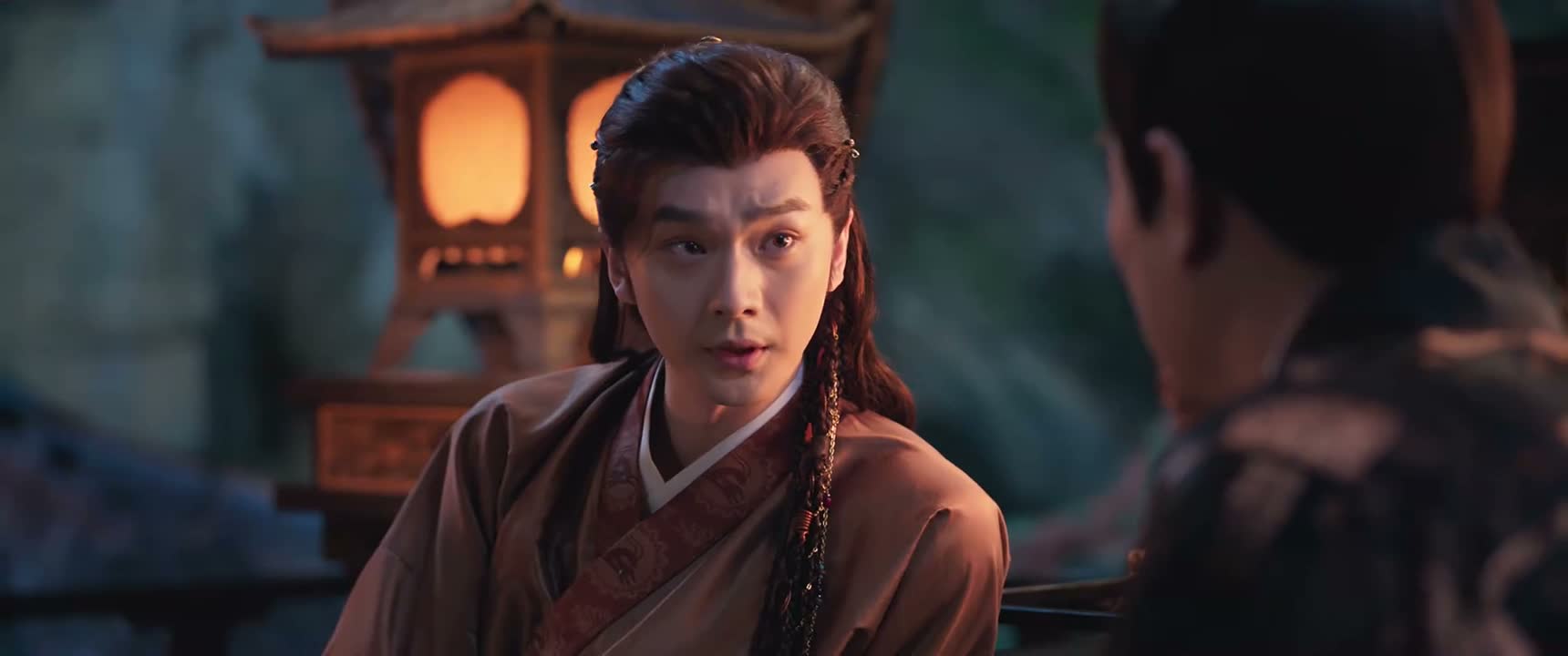
“you're more like my real elder brother.”