对啊 看得很清楚 你当时离赖正天太近了
“Yes, very clearly. You were too close to Lai Zhengtian.”
THE DIALOGUE REEL
“Wasn't there a video recording? They can see it very clearly.”
对啊 看得很清楚 你当时离赖正天 太近了
“Yes, very clearly. You were too close to Lai Zhengtian.”
既违规又危险 最后自己还受伤了 反正呢就是决定
“It was both against regulations and dangerous. And you ended up getting hurt. Anyway, the decision is”
“Yes, the video is crystal clear—and it proves you were the one at fault, not the victim.”
In Chinese interpersonal communication, speakers often validate the listener's premise first ('对啊' - Right) before delivering a corrective blow. This avoids immediate head-on confrontation while making the subsequent point undeniable.
LEARNING CHUNKS & PARTICLES
Right / Exactly / Yeah
Used to express agreement, though in debates or confrontations it is frequently used as a rhetorical pivot ('Yes, and that's exactly why you're wrong').
to see very clearly
A verb-complement structure using 得 to describe the degree or result of looking/watching.
too close to...
Standard spatial pattern using 离 to indicate physical distance from a person or object.
Softens the initial agreement while adding a conversational, slightly rhetorical emphasis before delivering the critique.
Pairs with 太 (too) to emphasize an excessive state or degree.
VOCABULARY & EXPRESSIONS
Parallel Spoken Cinema Scenes (语义近邻切片)
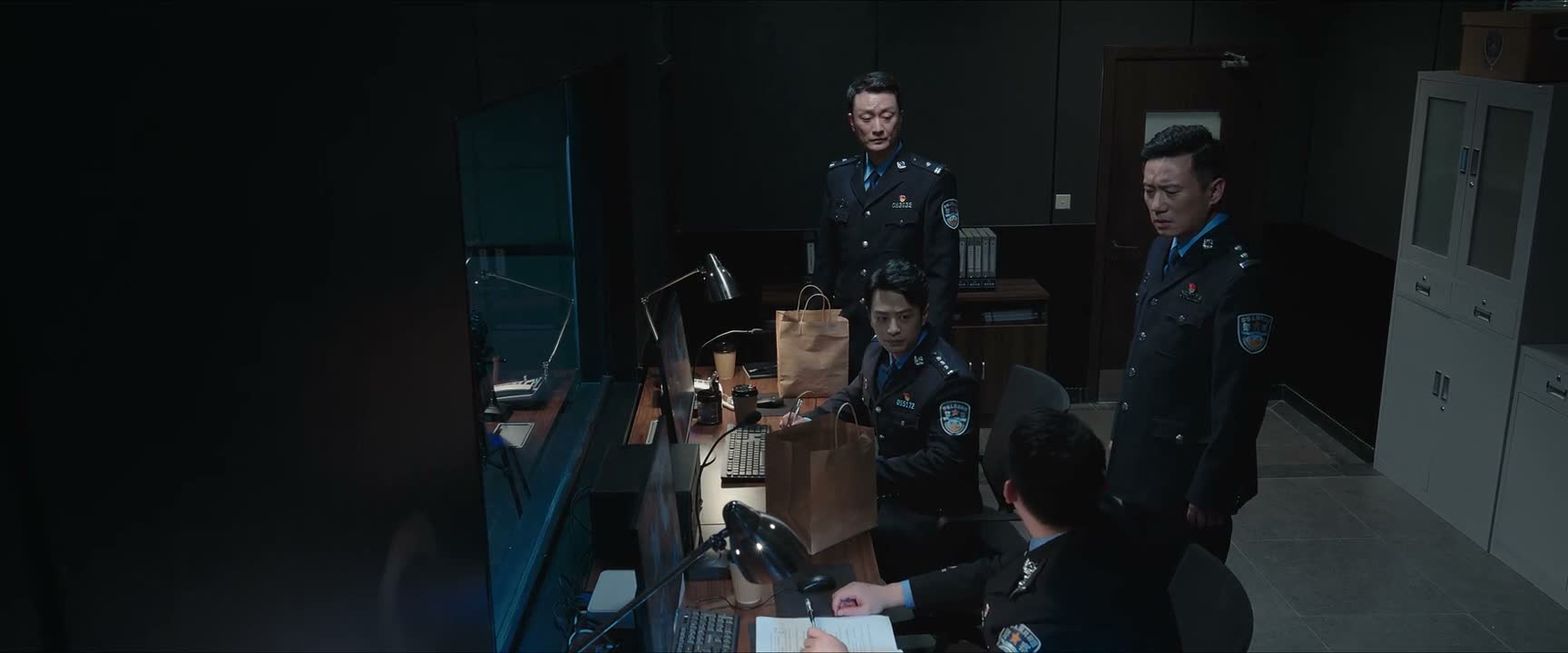
“let's wait and see. Lai Zhengtian has finally started talking.”
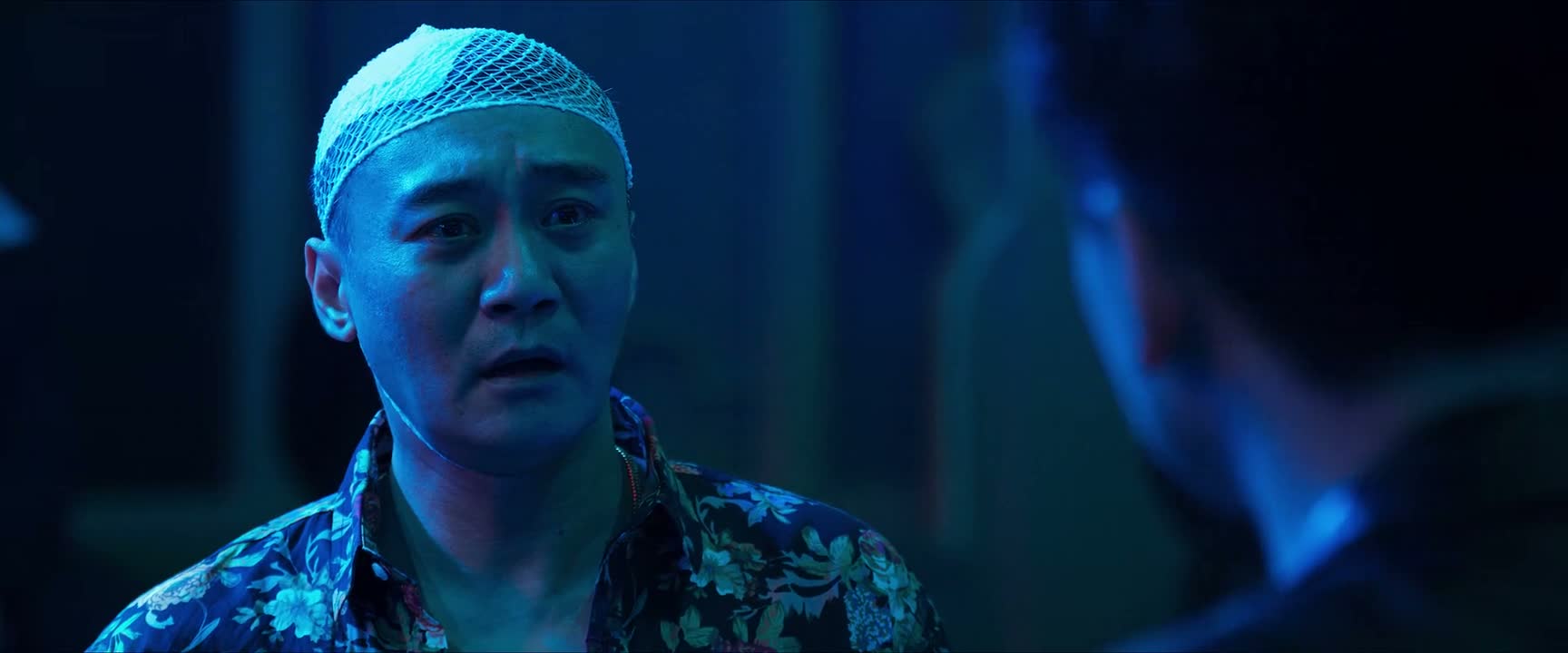
“Tell me, is there any chance you're the one who got Lai Zhengtian locked up?”

“You finally outlasted Lai Zhengtian, and it's the perfect time to show your skills.”
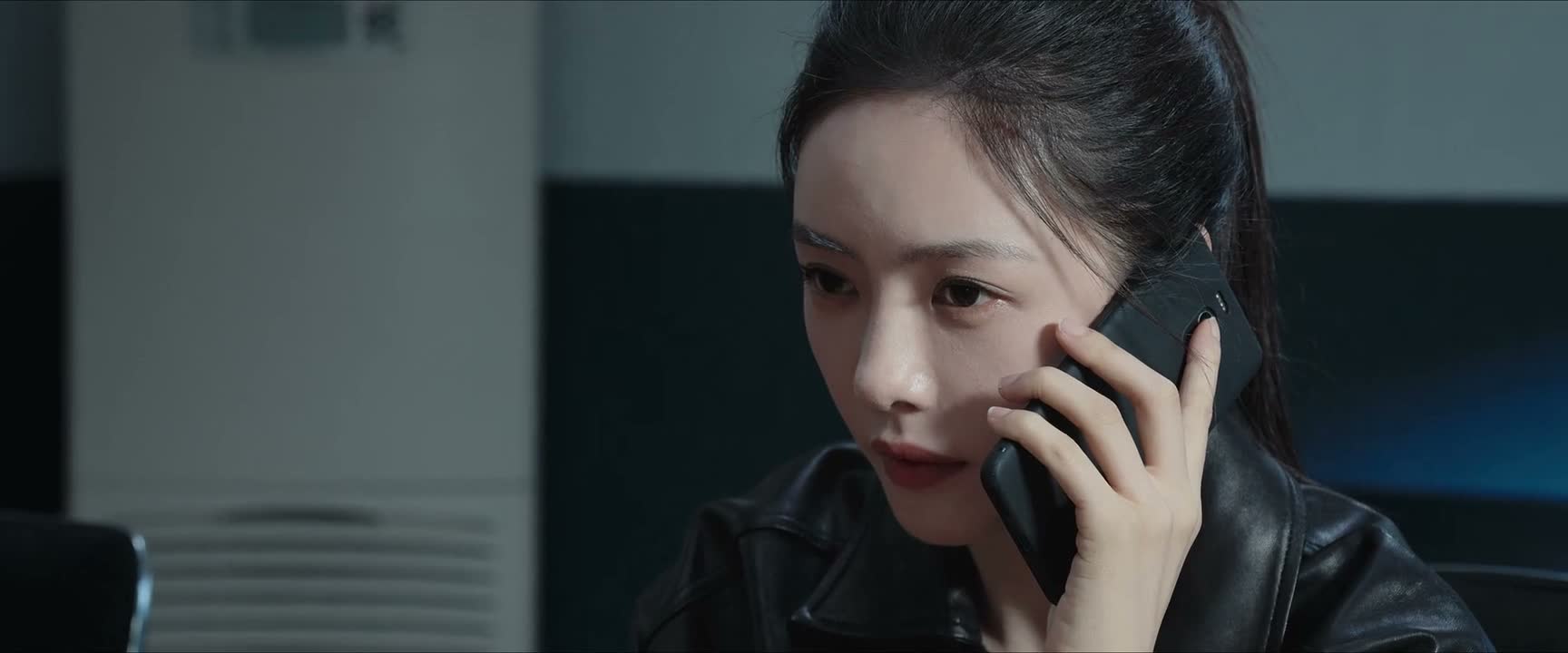
“once Lai Zhengtian mentally breaks down, he might exhibit extreme behavior.”
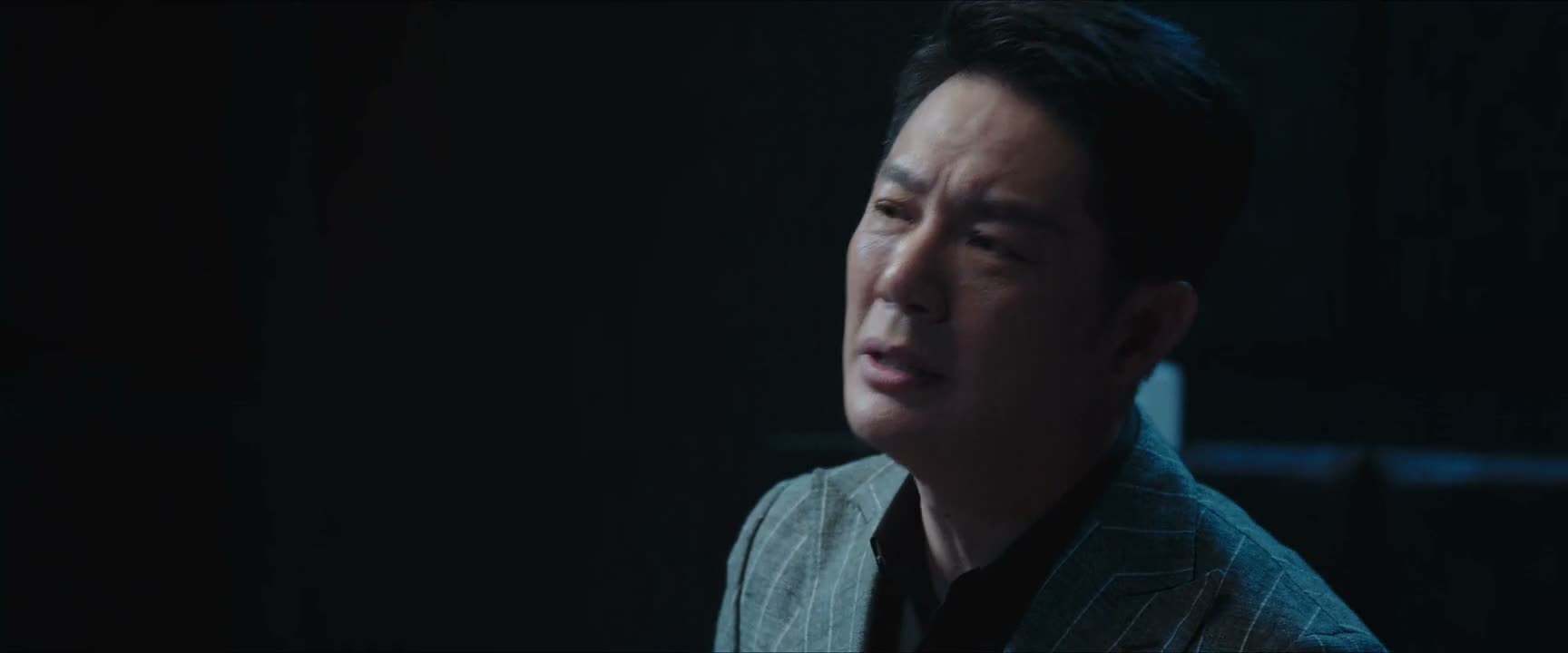
“It has... has nothing to do with Lai Zhengtian at all.”

“Now everything is clear.”