请二位看在我过世师父的面上
“Please, for my late master's sake,”
THE DIALOGUE REEL
“I fear my immense grievance can't be voiced.”
请二位 看在 我 过世 师父 的面上
“Please, for my late master's sake,”
允许元容说几句话
“allow me to speak a few words.”
“Even if you do not respect me, you owe it to my late master's memory to hear me out.”
In Chinese culture, 'face' extends beyond the living. Invoking a respected or deceased elder's 'face' places a heavy moral obligation on the listener to comply, as refusing would disrespect the dead.
In traditional Chinese sects and trades, a master (Shifu) is akin to a parent, and their social standing and favors are inherited by their disciples.
LEARNING CHUNKS & PARTICLES
for the sake of...; out of respect for...
Used when asking for a favor or leniency by invoking a third party, shared history, or relationship that the listener values.
passed away; deceased
A polite, respectful euphemism for dying, commonly used in both formal and everyday contexts.
VOCABULARY & EXPRESSIONS
Parallel Spoken Cinema Scenes (语义近邻切片)
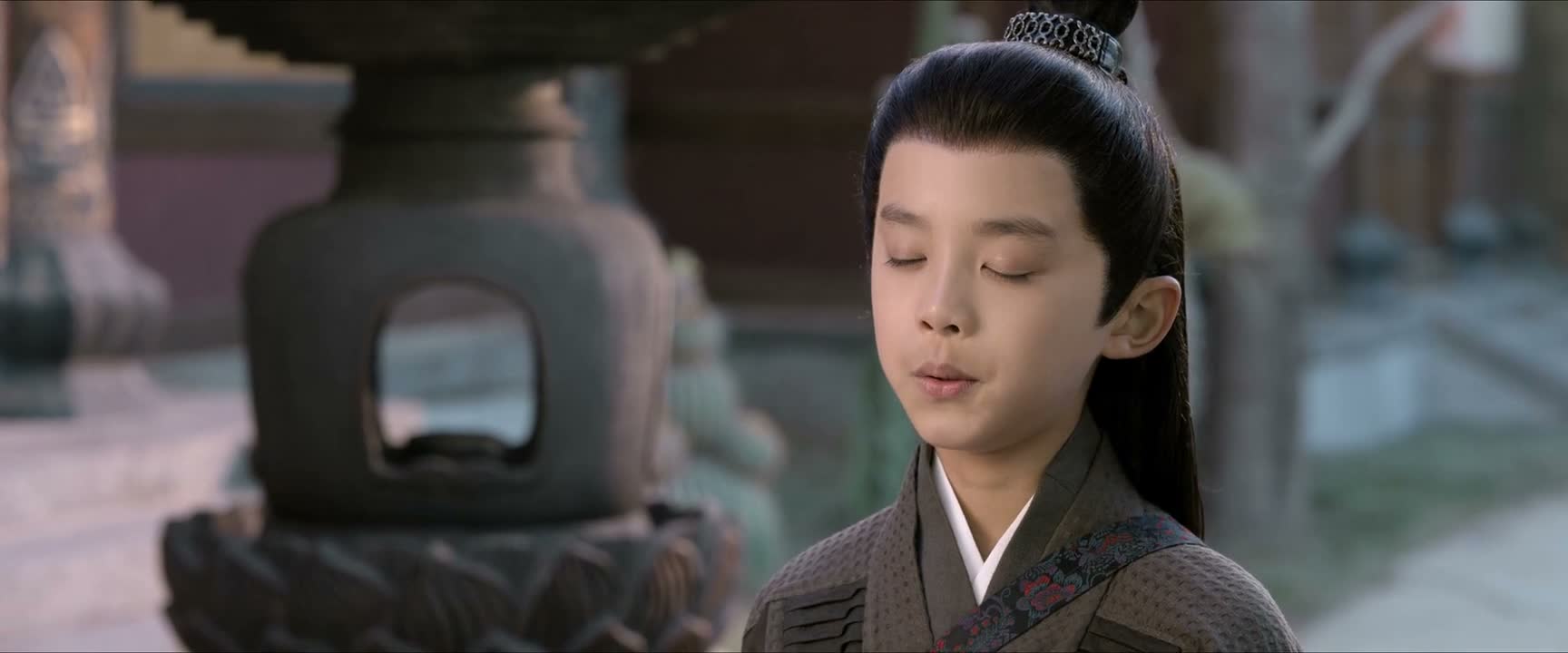
“Maybe to atone for Master's death,”

“and you don't save her, you'd be leaving her to die.”
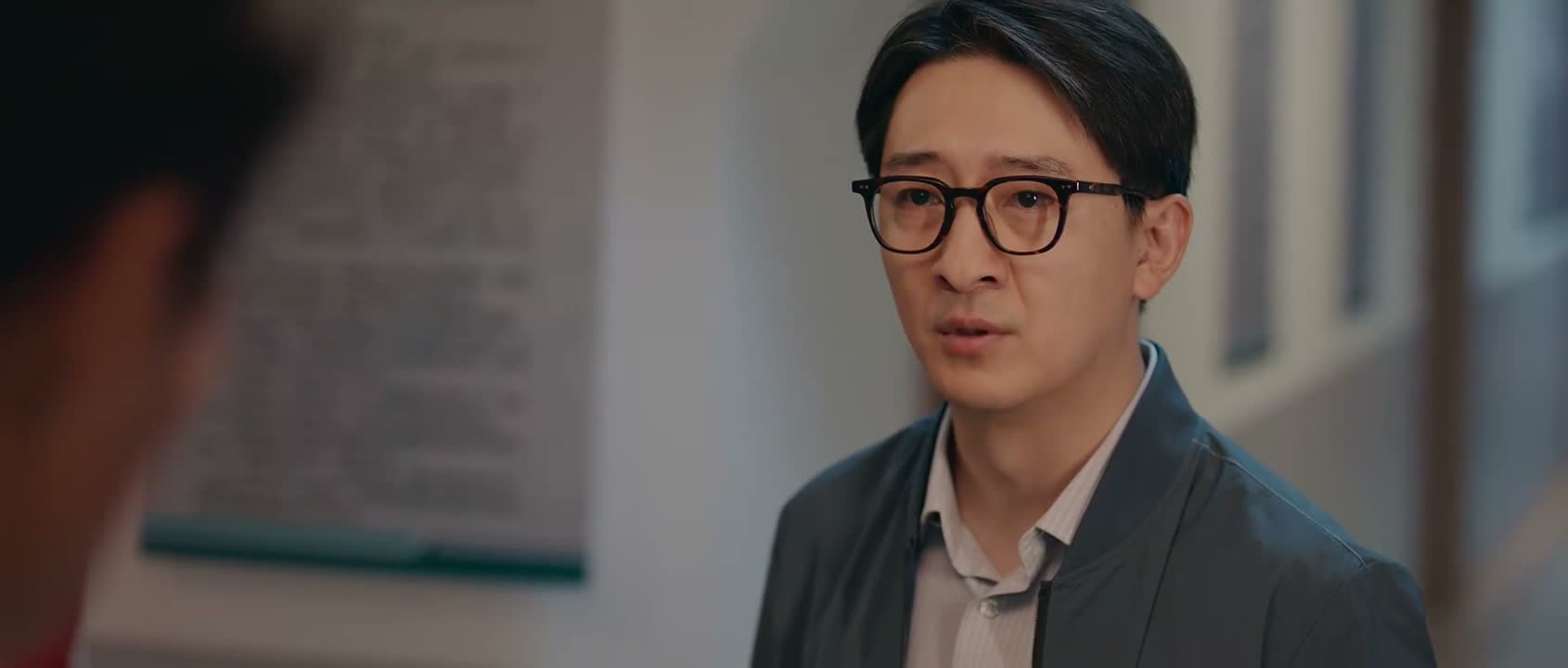
“I feel sorry for my master.”

“You owe my master your life.”

“I'm not as good as my master.”
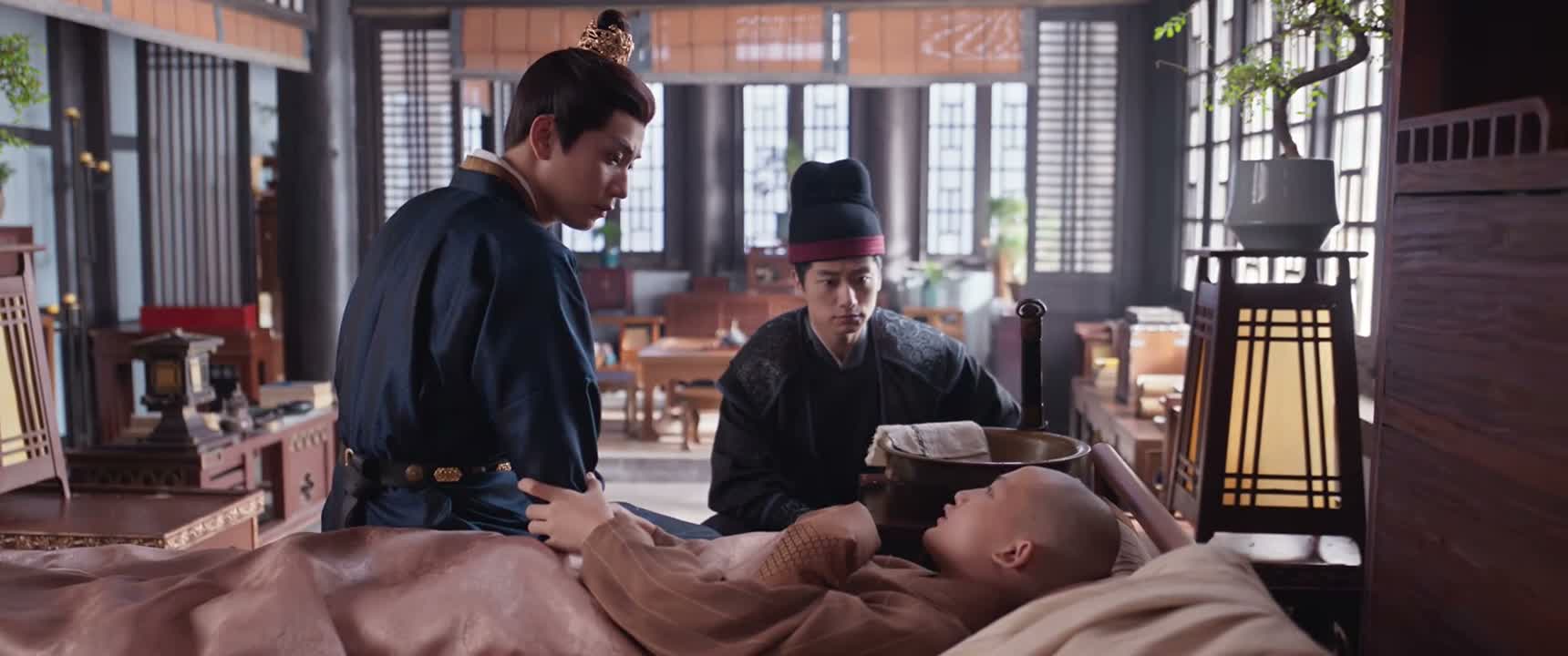
“Now that he died so suddenly.”