这个世界 谁又有资格给谁打分呢
“(In this world,) (who has the right to rate anyone?)”
THE DIALOGUE REEL
他凭什么给我打分呢
“(What gave him the right?)”
这个 世界 谁 又有 资格 给谁打 分呢
“(In this world,) (who has the right to rate anyone?)”
我是谁
“(I define who I am.)”
“He has no right to judge you, and his opinion doesn't define your worth.”
Modern Chinese urbanites frequently face intense social grading—from workplace KPIs to dating market checklists—making philosophical rejections of 'being scored' deeply resonant.
LEARNING CHUNKS & PARTICLES
to be qualified / to have the right
Often used in negative or rhetorical contexts to challenge someone's authority or right to criticize others.
to grade someone / to rate someone
Literally 'to give a score to someone', used both for academic grading and figuratively for judging a person's worth.
Softens the rhetorical question while inviting reflection, making the statement sound deep and comforting rather than aggressive.
VOCABULARY & EXPRESSIONS
Parallel Spoken Cinema Scenes (语义近邻切片)
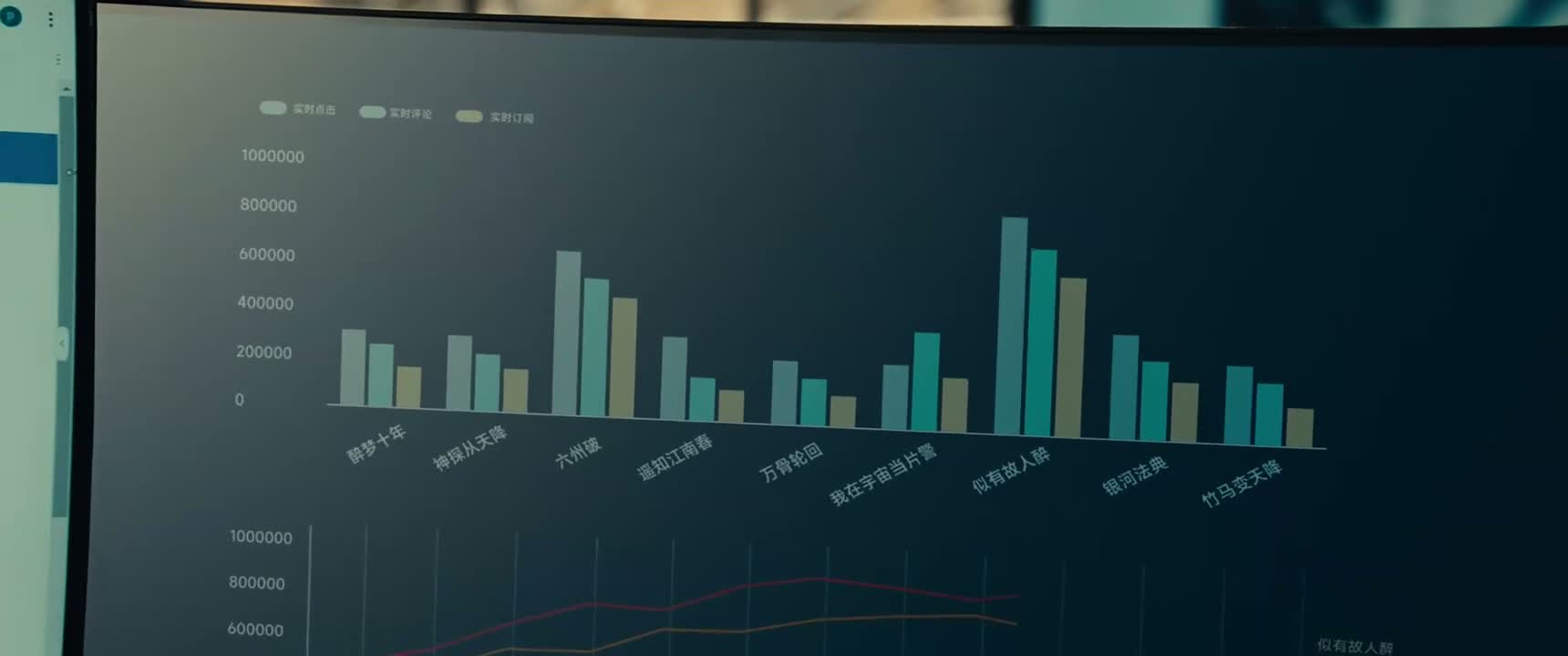
“So what do we need to see before we can call it settled?”

“doesn't have the right to judge your choices.”

“Who told you that? It's all over the internet.”

“whoever gets the highest roll wins it.”

“could get a good chunk.”
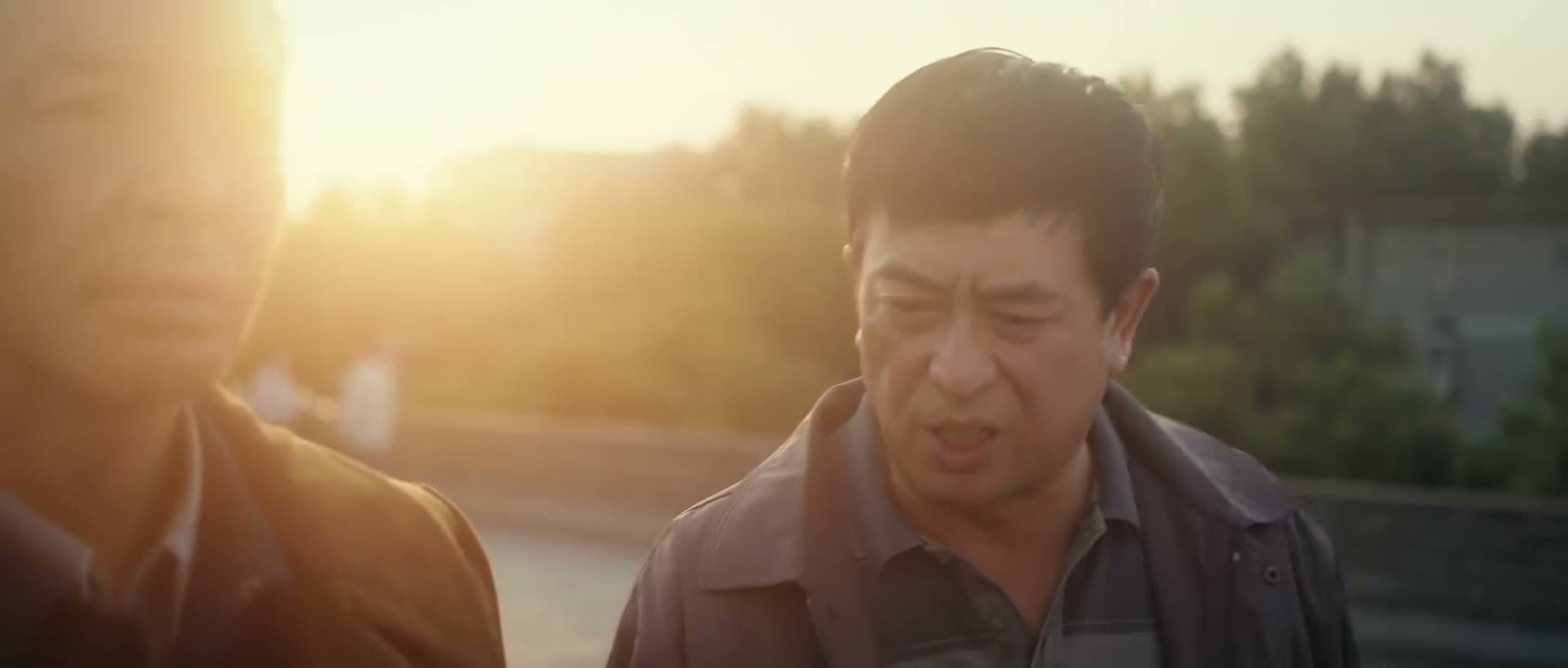
“the stronger one will stand firm.”