去月球了又能怎么样呢
“or go to the moon, so what?”
THE DIALOGUE REEL
你就算是去美国了
“even if you go to America,”
去月球了 又能怎么样呢
“or go to the moon, so what?”
你觉得北京发展好
“If you think Beijing has better prospects,”
“Changing your city or country won't fix your problems if you don't fix yourself.”
A pervasive debate among Chinese youth revolves around whether relocating to tier-1 cities or abroad actually improves life or merely serves as escapism from inner anxiety.
LEARNING CHUNKS & PARTICLES
so what; what difference would that make
A rhetorical question used to express skepticism or point out the futility of an action.
go to the moon
Used figuratively here as an extreme hyperbole to emphasize that no relocation distance can change the reality.
Marks the hypothetical completion of the action (going to the moon).
Softens the rhetorical question while sustaining contemplative pressure on the listener.
VOCABULARY & EXPRESSIONS
Parallel Spoken Cinema Scenes (语义近邻切片)

“Who knows when she'll be back next time.”
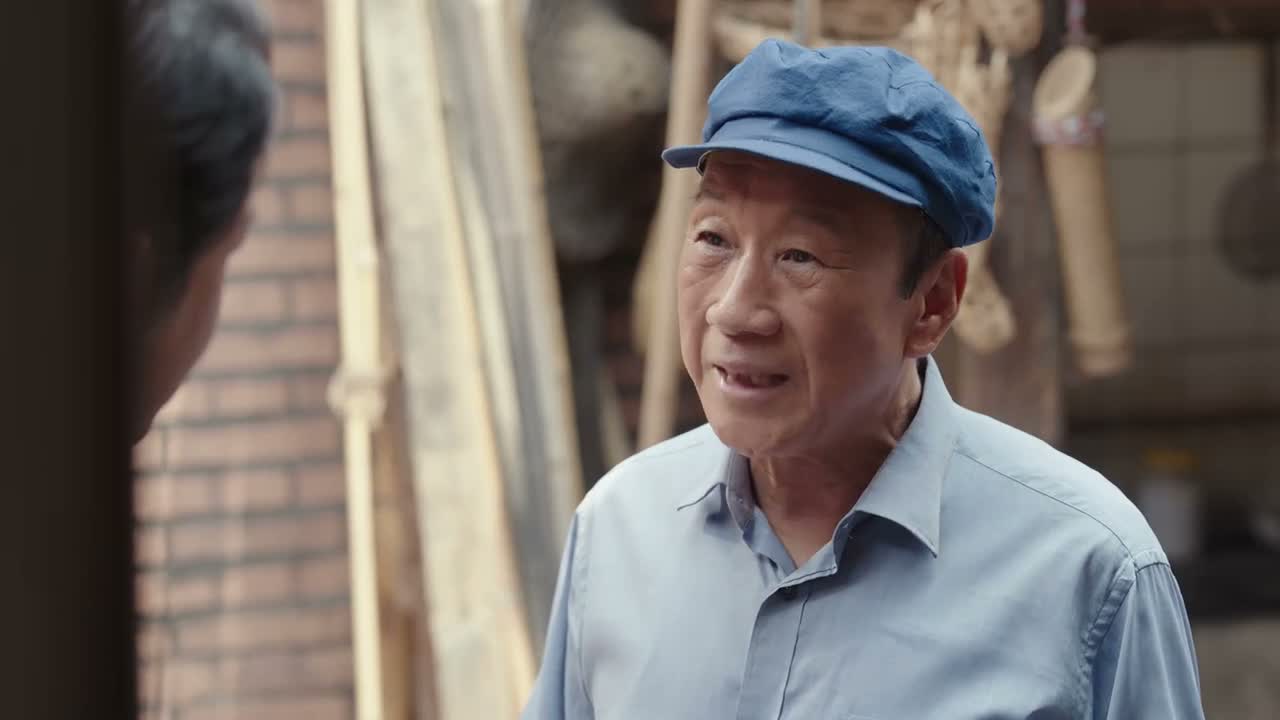
“He said he could be back next month.”

“why haven't you gone back yet?”

“Let's go back and visit them in a while.”

“and has not visited for some time.”

“What if we don't see each other for 2 years?”