我想 我才是那个放不下的
“I think I'd be the one who couldn't move on.”
THE DIALOGUE REEL
如果我跟你不幸分开了
“If we ever broke up someday,”
我想 我才是 那个 放不下 的
“I think I'd be the one who couldn't move on.”
没有如果
“No ifs.”
“I love you more than you realize, and losing you would devastate me.”
Rather than saying 'I love you' directly, Chinese speakers often express deep devotion through vulnerability, such as admitting they would never be able to move on ('放不下') if separated.
LEARNING CHUNKS & PARTICLES
I am actually the one who...
Used to shift focus or correct an assumption by emphasizing that the speaker, rather than the other person, fits the description.
unable to let go; unable to stop worrying about or loving someone
A high-frequency resultative verb phrase used heavily in romantic and family contexts to describe lingering emotional attachment.
Part of the '是...的' emphatic structure (with the noun omitted), nominalizing the phrase to mean 'the one who cannot let go' and adding certainty.
VOCABULARY & EXPRESSIONS
Parallel Spoken Cinema Scenes (语义近邻切片)
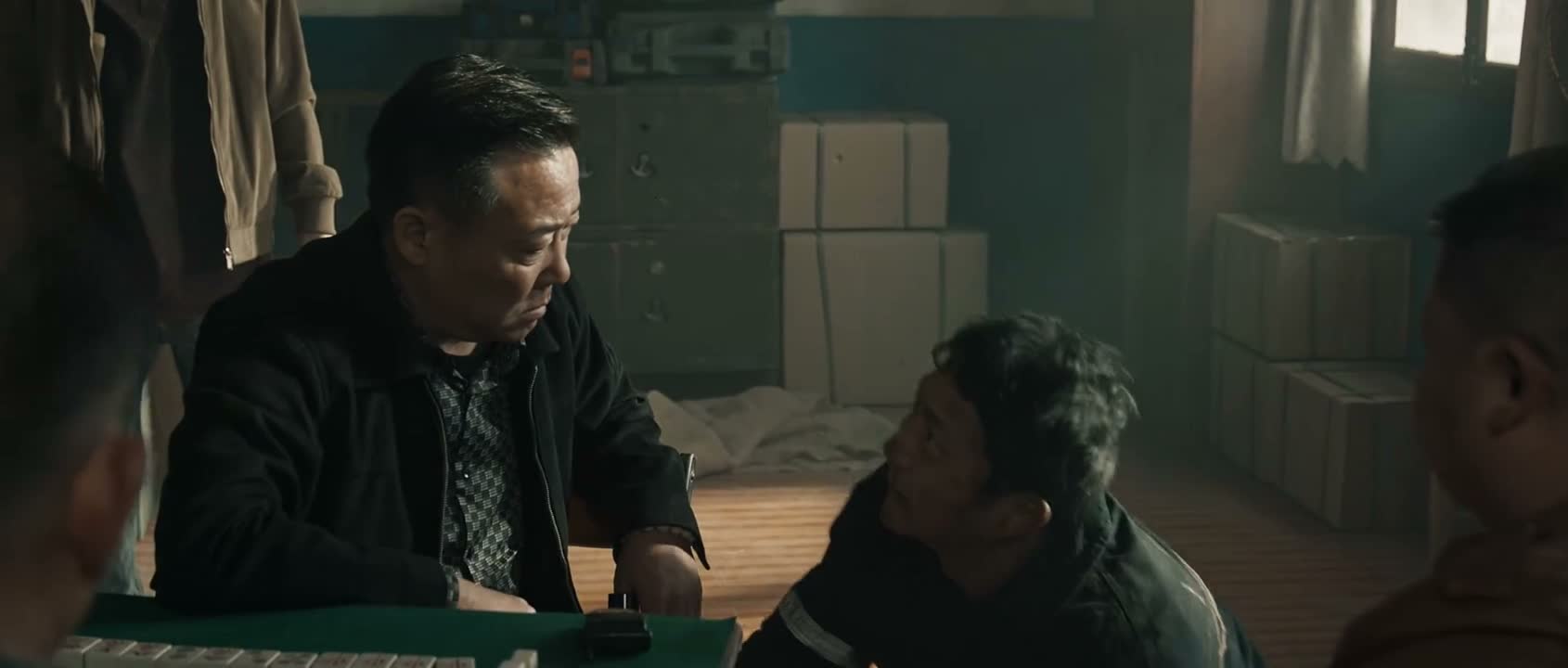
“Let me go, please.”

“please don't leave me, okay?”

“If you don't want me running wild, tell him to let me go.”

“Don't leave me alone!”

“who couldn't let go and dragged you into it.”

“please let me off, OK?”