总之不要一直吃方便面了知道吗
“Anyway, stop eating instant noodles all the time, okay?”
THE DIALOGUE REEL
香菇饭
“mushroom rice.”
总之 不要一直 吃 方便面 了 知道吗
“Anyway, stop eating instant noodles all the time, okay?”
听你的
“I'll listen to you.”
“I care about your health and want you to take better care of yourself.”
In Chinese culture, affection from family members or partners is frequently expressed through concern over what and how well you eat. Telling someone to avoid instant noodles is a classic trope of domestic care.
LEARNING CHUNKS & PARTICLES
in short; anyway; in a word
Use this to wrap up a topic and deliver a final conclusion or instruction.
got it?; do you understand?; okay?
Placed at the end of a request or instruction, it softens a command into affectionate nagging among close relations, though it can sound stern from a superior.
Combines with '不要...了' to indicate a change of state, urging the listener to stop an ongoing habit.
Forms a tag question ('知道吗') seeking confirmation and compliance.
VOCABULARY & EXPRESSIONS
Parallel Spoken Cinema Scenes (语义近邻切片)
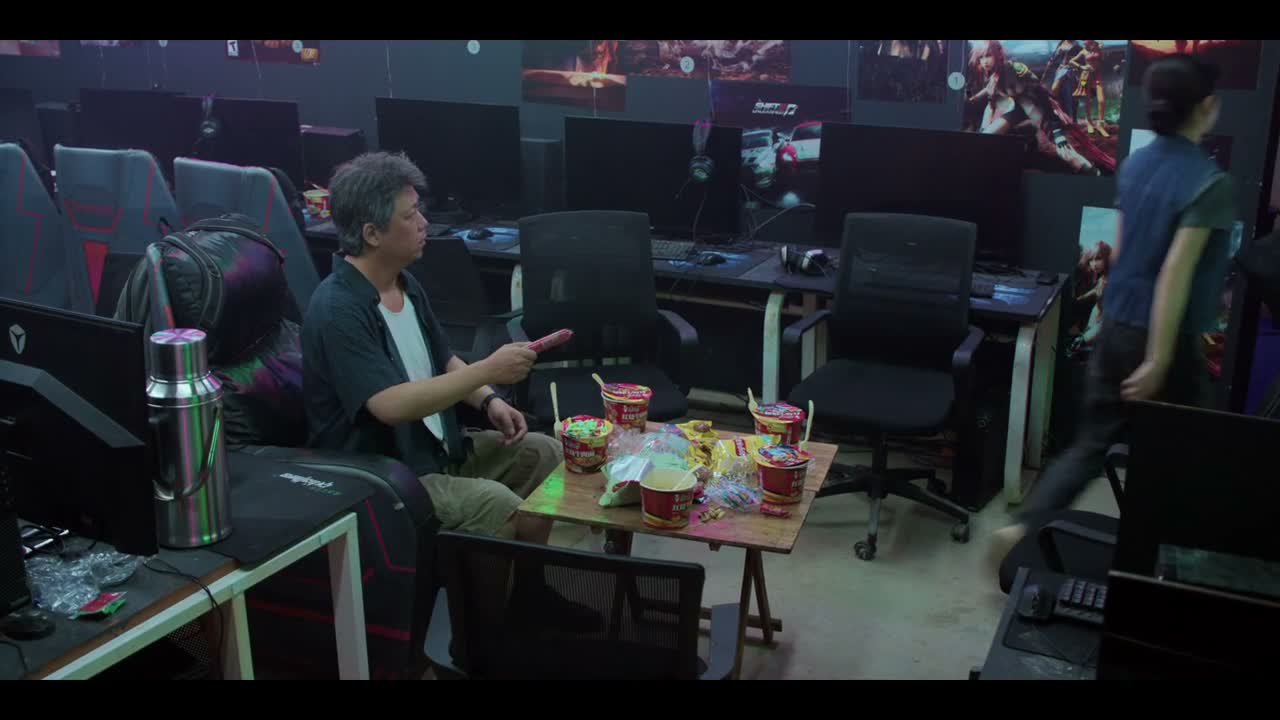
“You're not eating your instant noodles?”

“not to come to your restaurant to eat?”

“As for the instant noodles, can we bring more this time?”

“You won't get full just eating this. Have more noodles. No. I don't want any vinegar.”

“Eat the noodles. You need to eat after a long day.”

“Stop dieting. Let's get some noodles. Yeah.”