是是是 那个 小兄弟 你先忙去啊
“Yes. Well, young man, Go ahead with your work.”
THE DIALOGUE REEL
这俩孩子
“These two kids.”
是是是 那个 小 兄弟 你先忙 去啊
“Yes. Well, young man, Go ahead with your work.”
“I can reset it myself. Go ahead. Get back to work. Go ahead.”
“You don't need to stay here or worry about me; please go on about your own business.”
Chinese etiquette often involves declining extra assistance so as not to impose on another person's time and effort.
LEARNING CHUNKS & PARTICLES
young fellow; little brother
An affectionate and friendly form of address used toward a younger male stranger or junior colleague.
go attend to your own business first
A very common phrase used to politely tell someone they are free to leave and attend to their own chores.
Softens the instruction, making the dismissal sound friendly, casual, and considerate.
VOCABULARY & EXPRESSIONS
Parallel Spoken Cinema Scenes (语义近邻切片)

“and I need to find a place for my guys to stay.”

“We're brothers. Why are you being so polite?”

“and I get a "welcome gift" like this. Young man, watch your language.”

“Losing something”
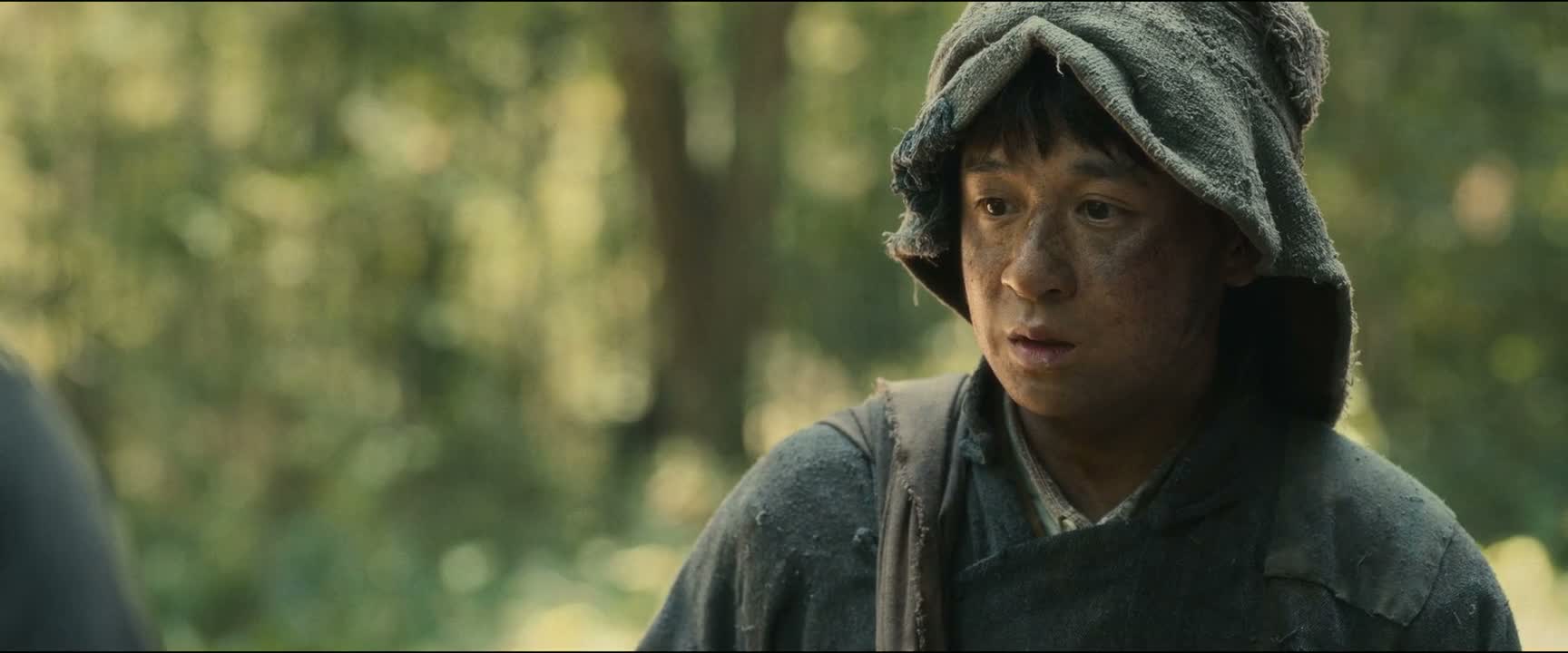
“Little brother, are you thirsty?”
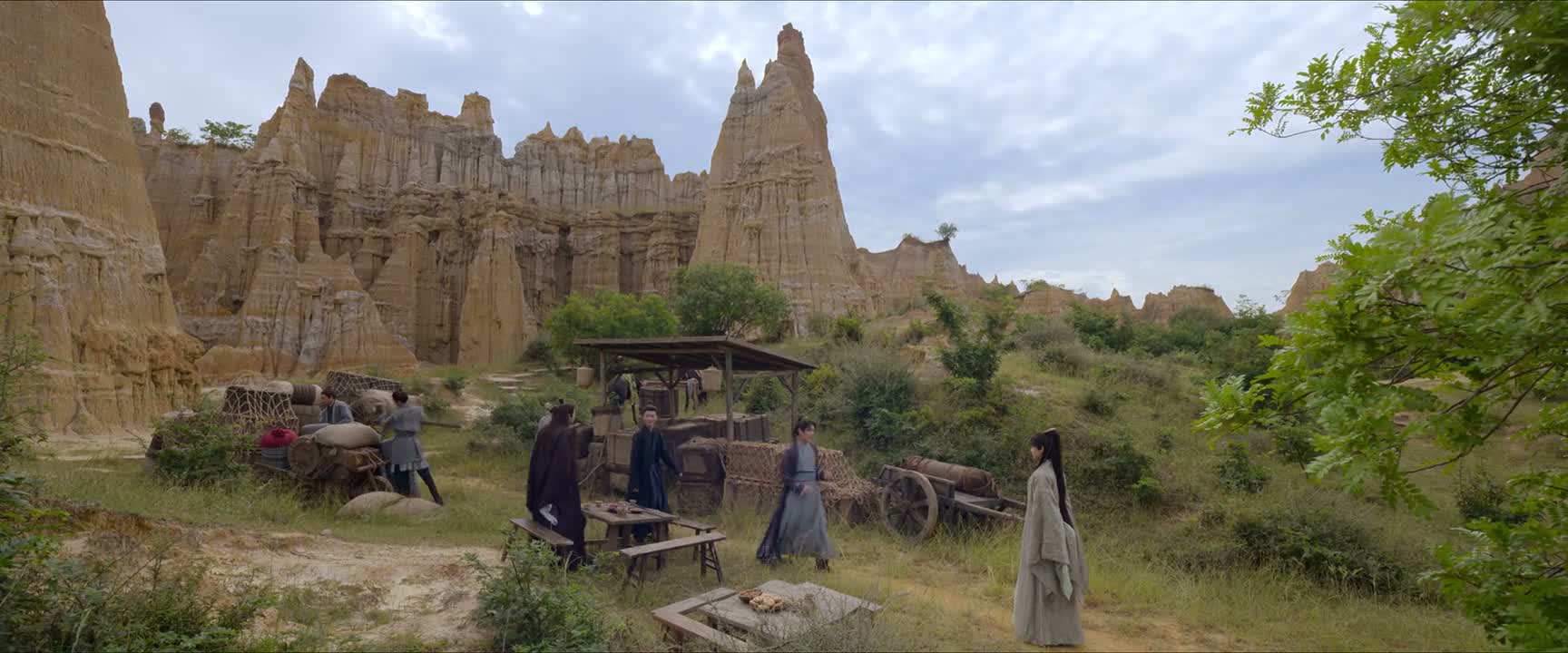
“We've met that little buddy again.”

“Fellas, thank you. Tell Mr. Du I say thank you when you get back.”
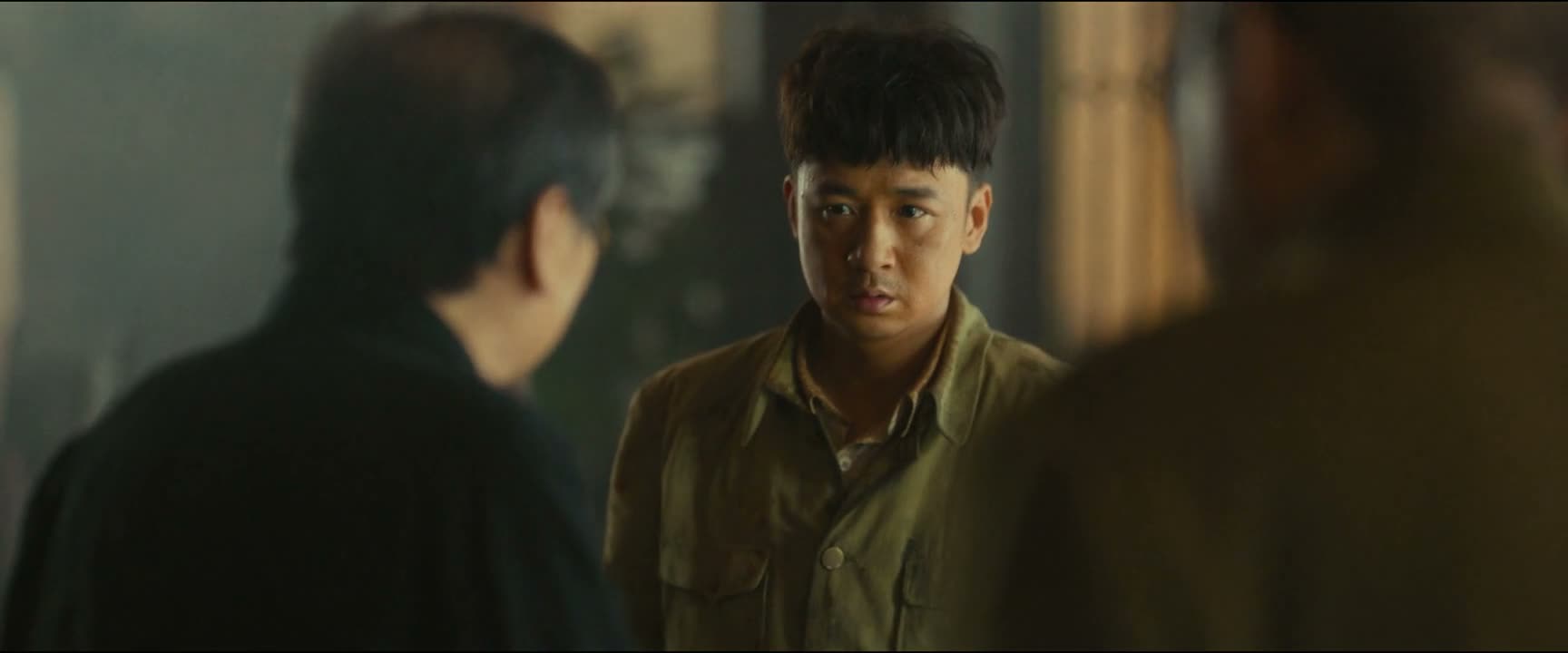
“Little brother, let's go.”

“Nothing beats a good bro.”