不生气 不生气 我们回去慢慢说
“Don't be annoyed. Let's go back and talk about this.”
THE DIALOGUE REEL
果然你们两个比较好 而且你知道了 也不告诉我
“It turns out that you two have a closer relationship. Besides, you didn't tell me this since you knew it.”
不生气 不生气 我们 回去 慢慢说
“Don't be annoyed. Let's go back and talk about this.”
走了走了走了 走了走了 你们虽然没有血缘关系
“Let's go. Let's go. Let's go. Though the two of you are not related by blood,”
“Calm down before you make a scene; we will deal with your jealousy when we get home.”
Chinese interpersonal communication strongly favors resolving domestic grievances or interpersonal friction behind closed doors ('回去慢慢说') rather than venting publicly.
LEARNING CHUNKS & PARTICLES
don't be mad; there, there
Often repeated twice rhythmically as an affectionate or soothing plea to pacify an upset companion.
talk over thoroughly; discuss at leisure
Used to defuse an urgent emotional confrontation by postponing the discussion to a calmer setting.
VOCABULARY & EXPRESSIONS
Parallel Spoken Cinema Scenes (语义近邻切片)
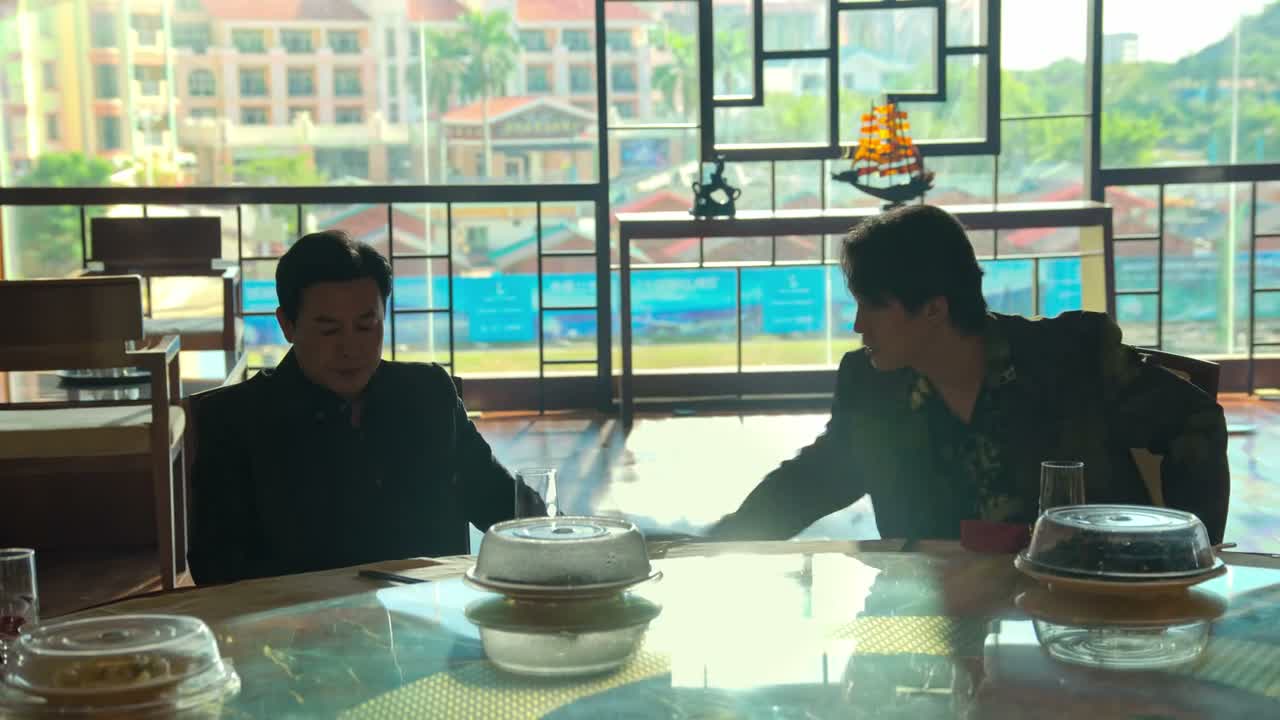
“Don't be angry. It's okay.”
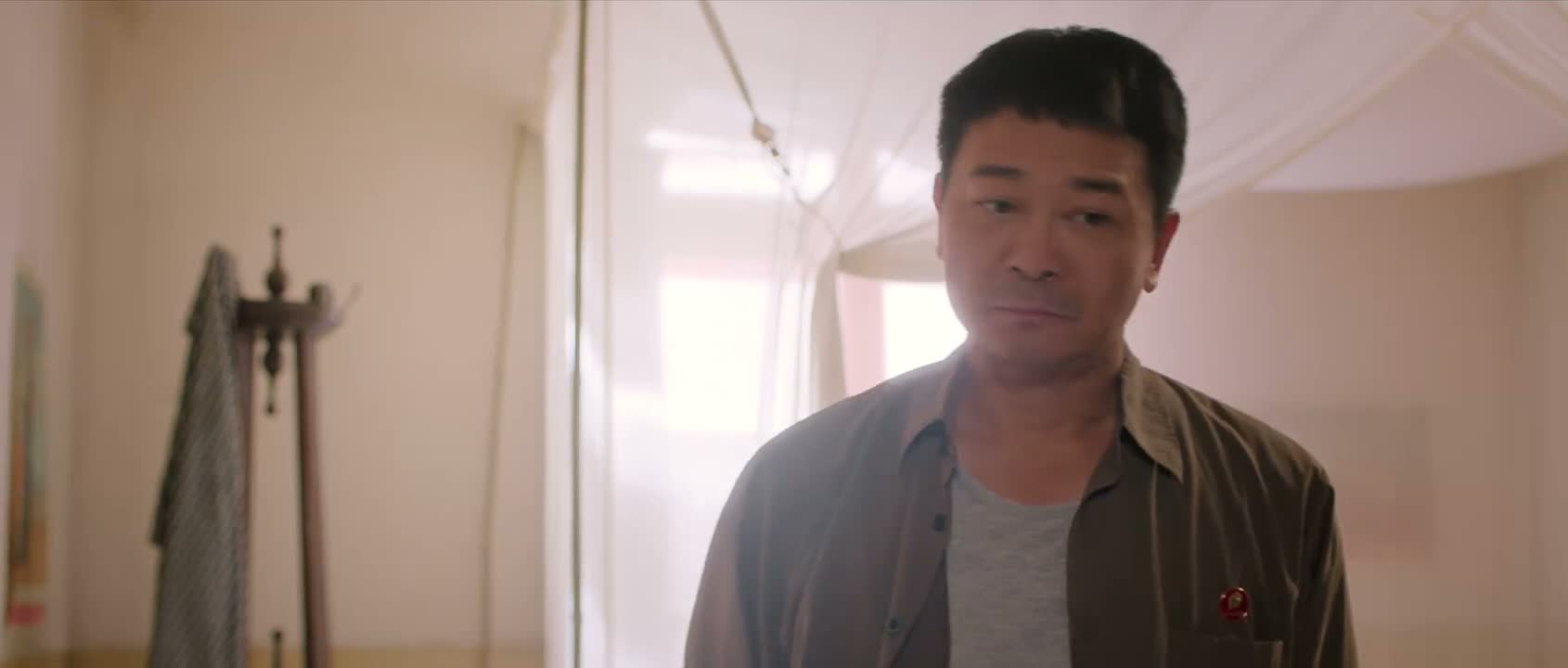
“Don't get upset.”
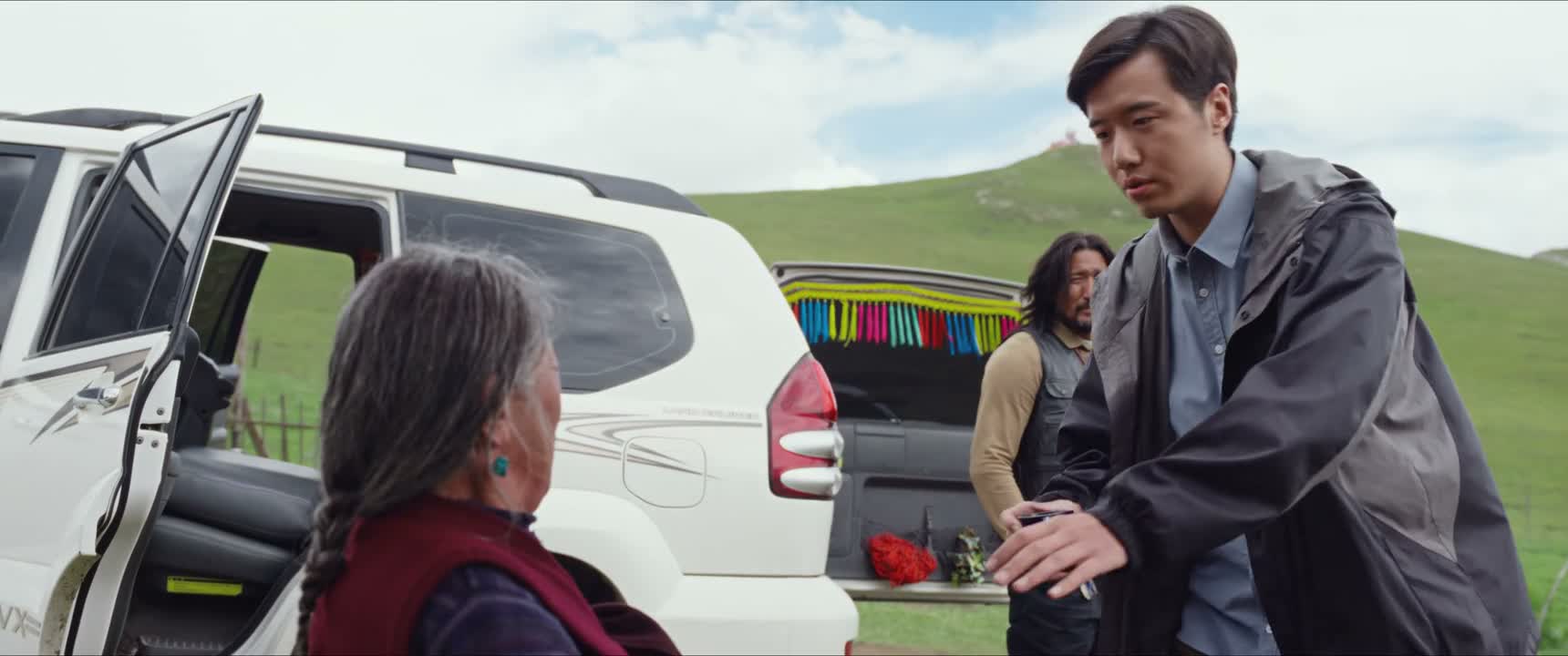
“I won't do it anymore. Don't be angry.”

“Don't be angry. Please don't be angry.”

“Don't be angry. Sit down. He's so rude.”