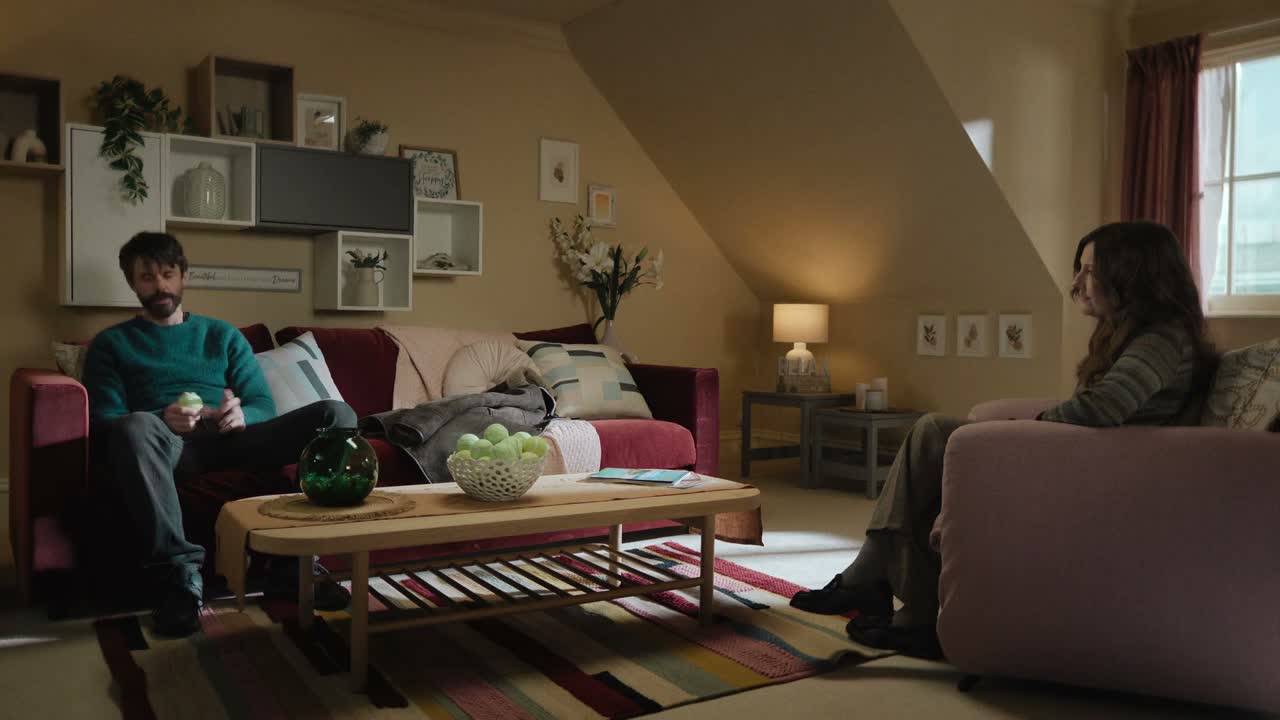
《A Splendid Match》 S1·E37 (11:53)
HSK 5
nǐ wèn tā yuàn bù yuàn yì zuò shén me yīng dāng wèn wǒ cái shì
你问他愿不愿意做什么 应当问我才是
“Why are you asking him? You should be asking me.”
《A Splendid Match》
S1·E37
TIMECODE: 11:53
·
1080P MASTER AUDIO
THE DIALOGUE REEL
[-1] PREVIOUS TURN
wǒ yào dài wǒ jiě yì qǐ qù sōng jiāng nín kě yuàn yì
“If I want to take my sister with me to Songjiang, would you agree?”
nǐ wèn tā yuàn bù yuàn yì zuò shén me yīng dāng wèn wǒ cái shì
CURRENT FOCUS
你问他 愿不愿意 做什么 应当 问我 才是
“Why are you asking him? You should be asking me.”
[+1] FOLLOW-UP TURN
wǒ bù yuàn yì
我不愿意
“I do not agree.”
Subtitles synced to millisecond timecode
Browse Show Clips →
Scene:
Family & Home
Function:
ASSERTING AUTHORITY
Tone:
CURT
Emotion:
ANNOYANCE
WHAT THEY REALLY MEAN (PRAGMATIC SUBTEXT)
“He doesn't call the shots here, I do. You need to get my permission.”
💡 Cultural Insight: Family Hierarchy and Decision-Making Authority
In traditional Chinese family dynamics, senior members or household heads expect to have the final word on major moves or decisions concerning relatives.
INTENT TAGS:
#asserting_authority
#redirection
#dismissal
#gatekeeping
🧩
2 CHUNKS · 0 PARTICLES
LEARNING CHUNKS & PARTICLES
做什么
SPOKEN CHUNK
why; what for
A spoken rhetorical pattern used at the end of a clause to express incredulity, dismissal, or mild irritation about an unnecessary action.
应当……才是
SPOKEN CHUNK
should really be... instead
Used to emphasize what the speaker believes is the correct, proper, or logical course of action in contrast to what is currently happening.
🏮
5 EXPR · 0 GRAMMAR
VOCABULARY & EXPRESSIONS
COLLOQUIAL EXPRESSIONS:
CROSS-CINEMA CORPUS BOARD · PARALLEL SCENES
EXPLORE BY SEMANTIC SIMILARITY
Parallel Spoken Cinema Scenes (语义近邻切片)
《A Splendid Match》 S1·E37 (11:53) · Authentic Cinema Dialogue Corpus