穿得脏咋了 脏就不能坐公交了
“I was dirty, so? So I couldn't ride the bus?”
THE DIALOGUE REEL
民工咋了
“I'm a laborer, so?”
穿得脏咋了 脏 就不能 坐公交 了
“I was dirty, so? So I couldn't ride the bus?”
她穿得干净 人模狗样的 那心比我们还脏
“She dressed neatly and put on airs. Her heart's filthy.”
“Do not treat us as second-class citizens; my money is as good as anyone else's.”
Urban discrimination against rural migrant workers (mingong) due to dirty work clothes on public transit is a well-known social issue in modern China, prompting fierce debates on equality and labor respect.
LEARNING CHUNKS & PARTICLES
so what?, what's wrong with that?
A blunt, informal dialectal phrasing used in arguments to challenge criticism or dismissal.
dressed in dirty clothes
Descriptive phrase often associated with manual labor or construction work clothes.
Used in the rhetorical question '不能坐公交了' to stress the absurdity of the implied rule or restriction.
VOCABULARY & EXPRESSIONS
Parallel Spoken Cinema Scenes (语义近邻切片)
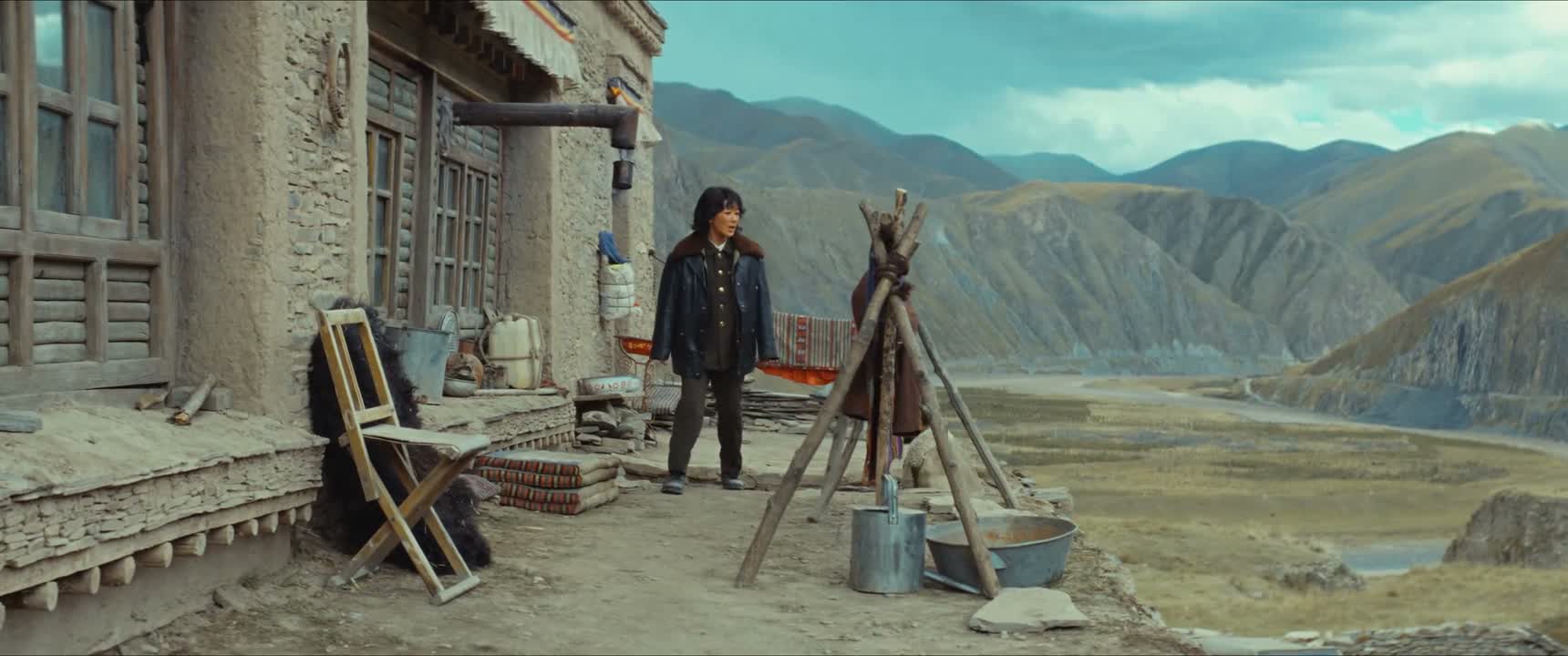
“It was filthy. Of course it needed washing.”

“♪ And go in search of distant scenery ♪ It's so dirty. Don't eat that.”

“It's all dirty now. How am I supposed to eat it?”

“How could you do such dirty things?”

“Just got my clothes dirty. No worries.”

“What's all over your clothes? They're filthy.”