冉啊 那你走吧 不过我们说好了
“Ran, go on then. But we have a deal.”
THE DIALOGUE REEL
冉啊 那 你走 吧 不过我们 说好了
“Ran, go on then. But we have a deal.”
“You cannot leave and never return.”
“I will let you leave, but you better keep your promise and come back to me.”
In traditional Chinese culture, a master-disciple relationship often mirrors a parent-child dynamic, blending authority with deep familial affection and mutual loyalty.
LEARNING CHUNKS & PARTICLES
well then, go ahead
Commonly used in spoken Chinese to yield or grant permission after prior hesitation or discussion.
we have an agreement / that's a deal
A colloquial phrase used to confirm mutual consensus or bind someone to a promise.
Softens the direct address, showing affection and emotional warmth toward the listener.
Indicates mild assent, concession, or a gentle suggestion to proceed.
Marks the completion of reaching an agreement and emphasizes its binding state.
VOCABULARY & EXPRESSIONS
Parallel Spoken Cinema Scenes (语义近邻切片)
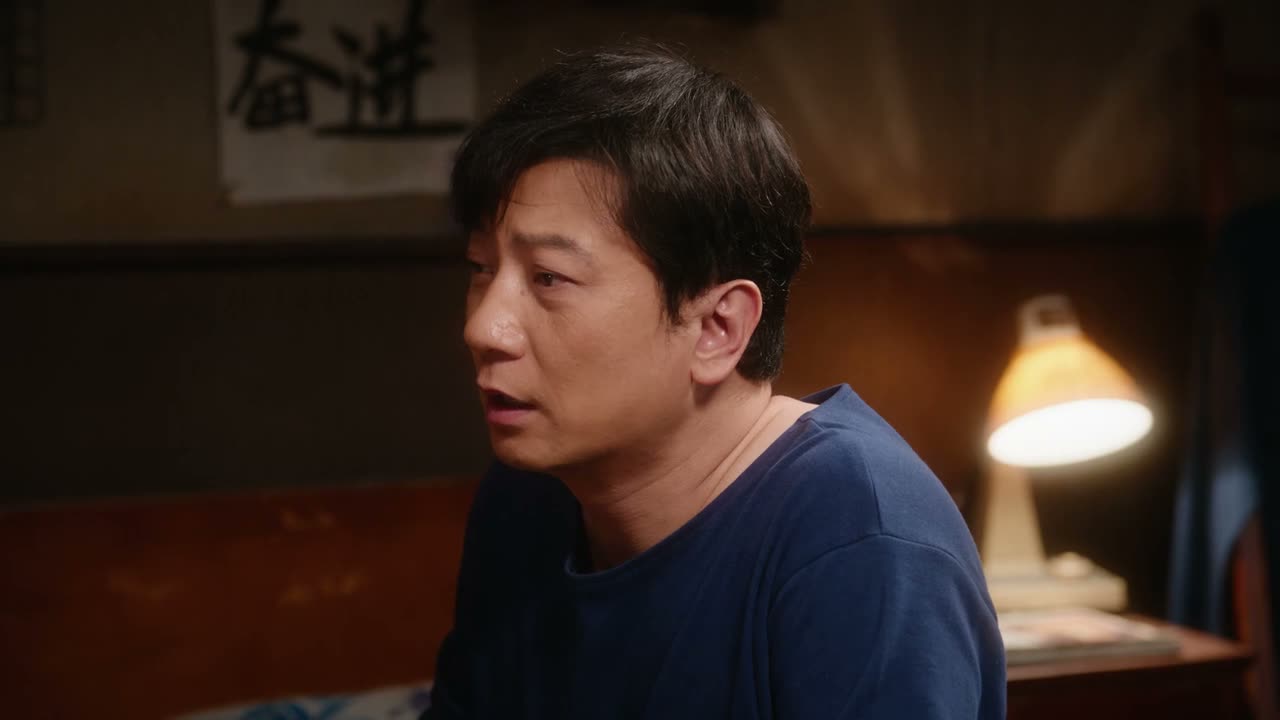
“what did Ranran say she'd give you?”

“Ranran, hurry up.”

“Mr. Ran is such a pity.”
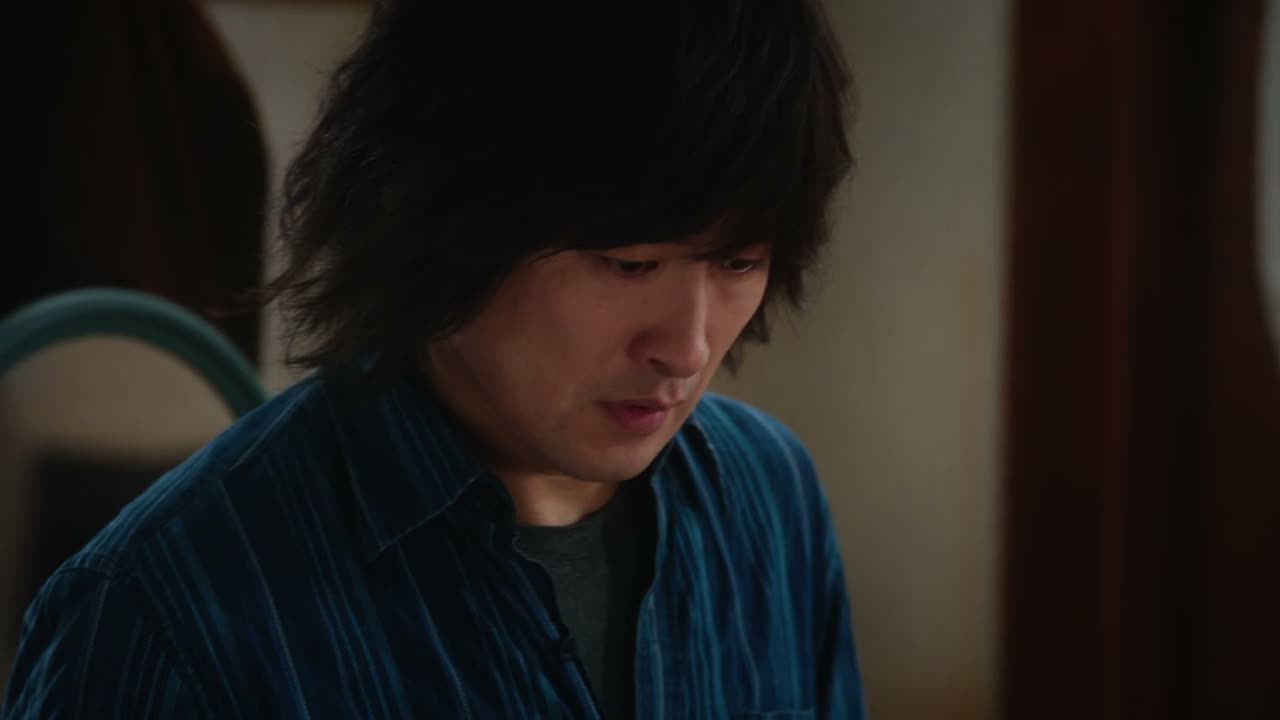
“Ranran, hurry up.”
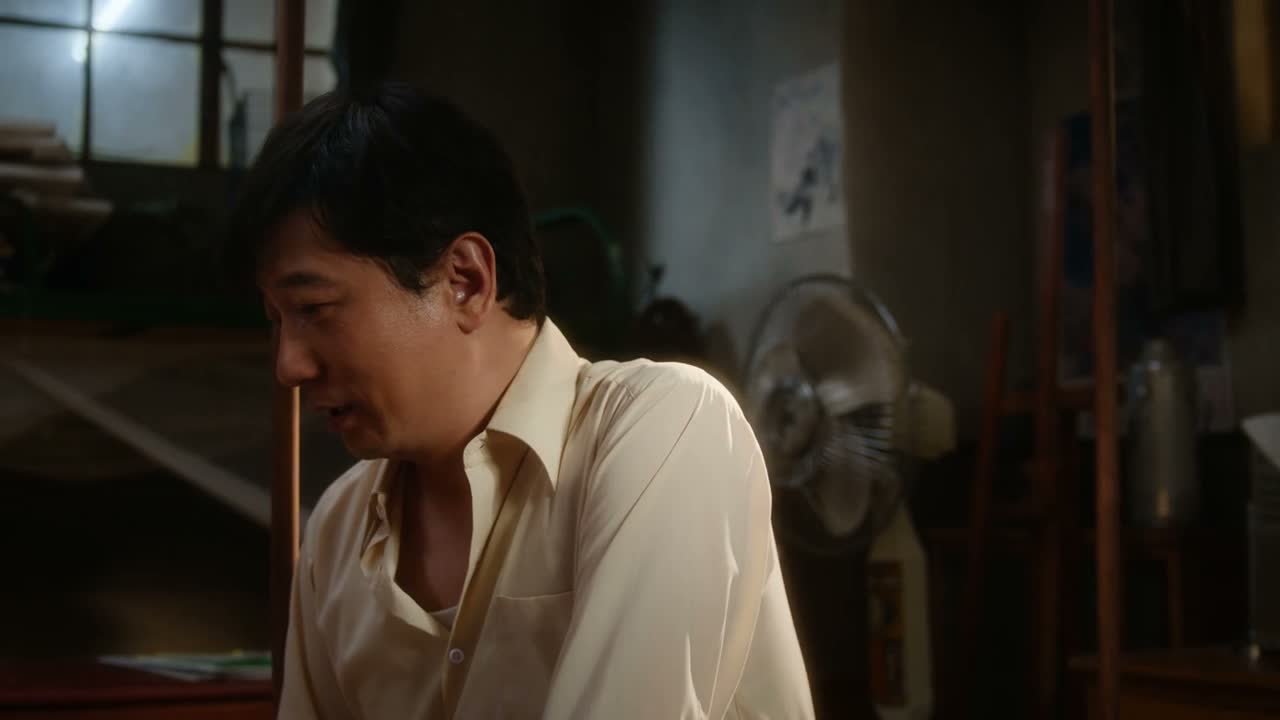
“since you haven't made any money, huh?”

“Back then, did Uncle Ran ever mention the Bowls dress or Sun Zhengyong?”