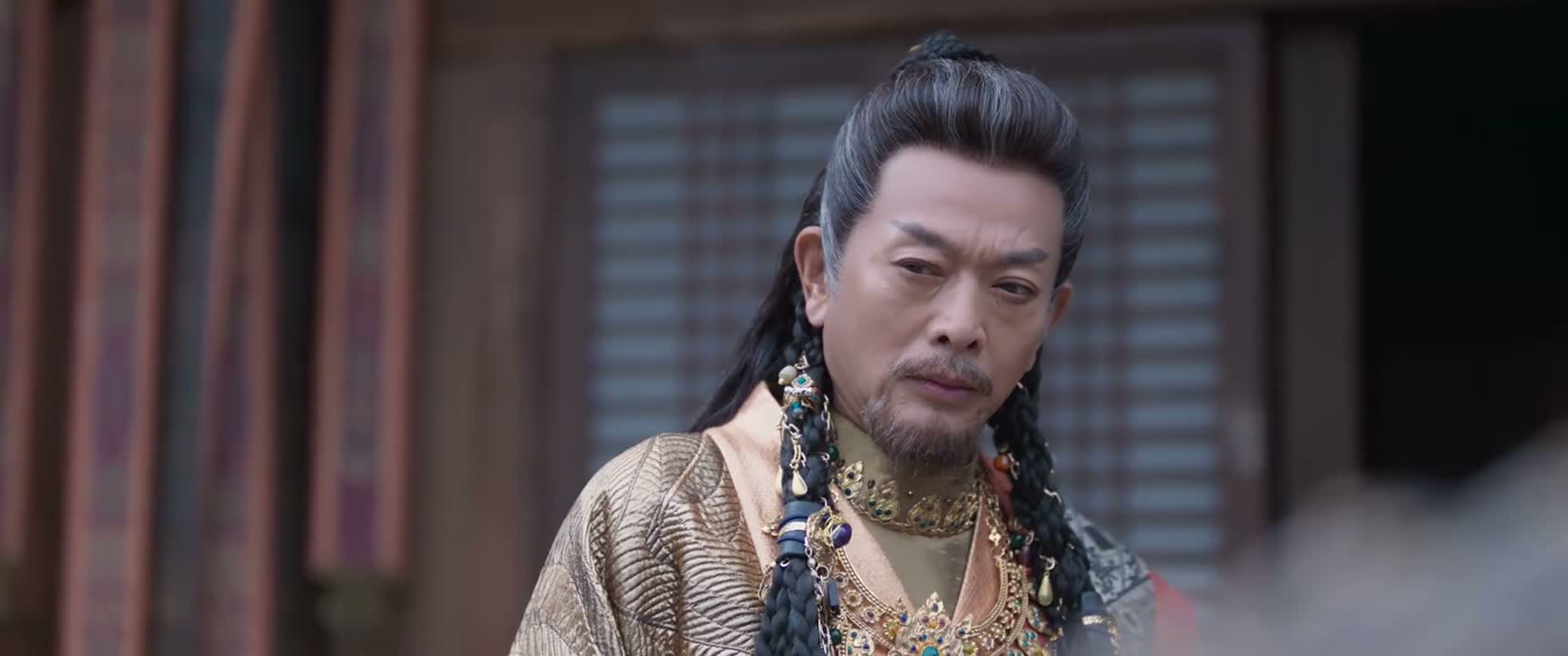
后冒兄长之名窃取大位 朕有何罪 朕无罪
“-I took the throne in my brother's name. -What wrong did I do? I'm innocent!”
THE DIALOGUE REEL
单独相见 先弑杀兄长 并毁尸灭迹
“for a private meeting, where I murdered him and destroyed all evidence, after which”
后冒兄长之名 窃取大位 朕有何罪 朕无罪
“-I took the throne in my brother's name. -What wrong did I do? I'm innocent!”
自此乾纲颠倒 朕乃天命所归 日月不明 丧尽天良
“-From then on, the order was overturned, -I'm the chosen one! the sun and moon darkened, and all conscience lost.”
“I am the sovereign now, and power makes me blameless—how dare you question my legitimacy!”
Reserved exclusively for Chinese emperors after Qin Shi Huang, the pronoun 'Zhen' (朕) asserts absolute royal prerogative and divine authority above ordinary moral law.
LEARNING CHUNKS & PARTICLES
to usurp the imperial throne
A formal, elevated historical idiom used to describe an illegitimate seizure of supreme imperial power.
what crime has been committed; where is the guilt?
A classical rhetorical challenge used to aggressively deny culpability.
VOCABULARY & EXPRESSIONS
Parallel Spoken Cinema Scenes (语义近邻切片)

“Your brother claimed he entered the capital by an edict,”

“And your brother was in prison.”

“how I ordered my brother to harm Noble Consort Yu's father.”

“So I stole Cui Junmao's identity”

“Have you forgotten, Li, how we obtained our positions?”
“my brother already died in Chang'an because of Peacock.”